News

High-Temperature Centrifugal Fans Support Reliable Furnace and Boiler Exhaust Applications

2026-08-27 0 Leave me a message

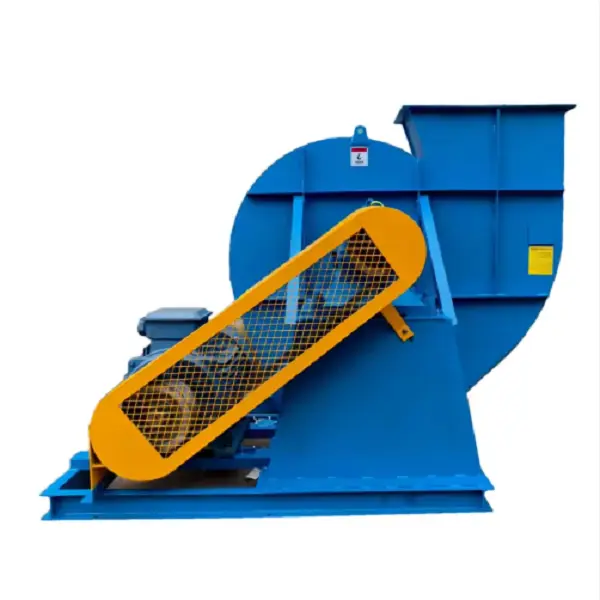
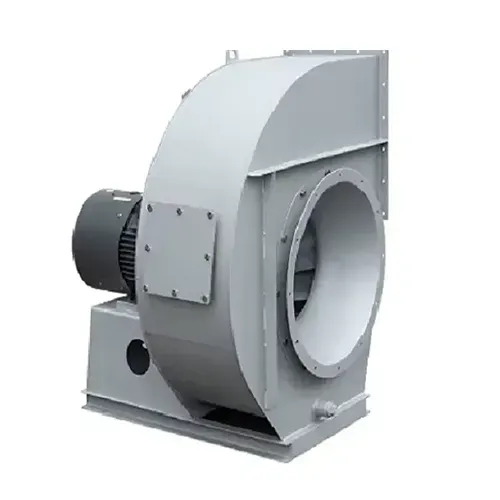
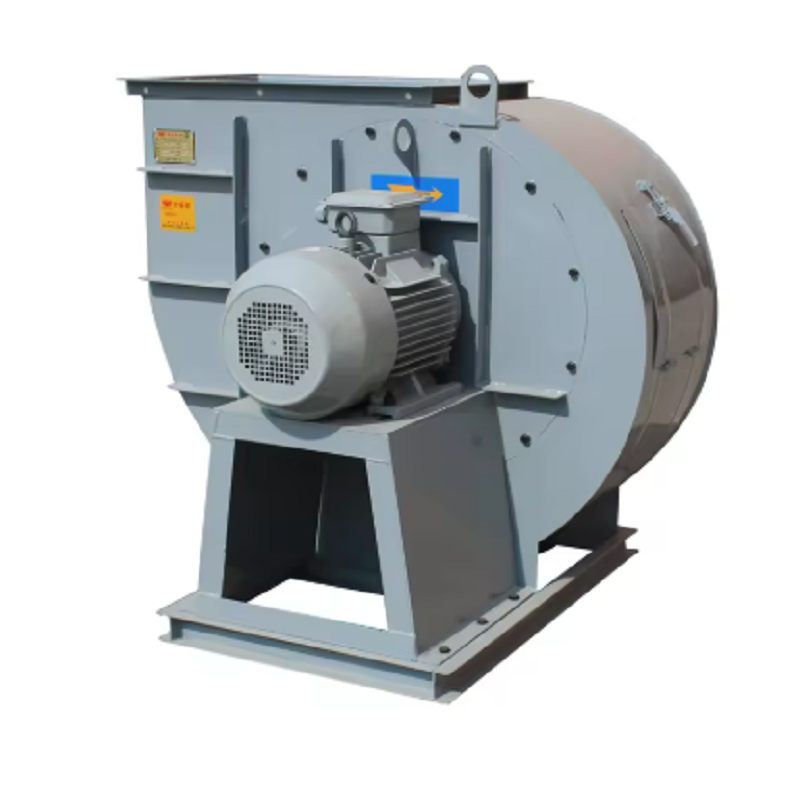
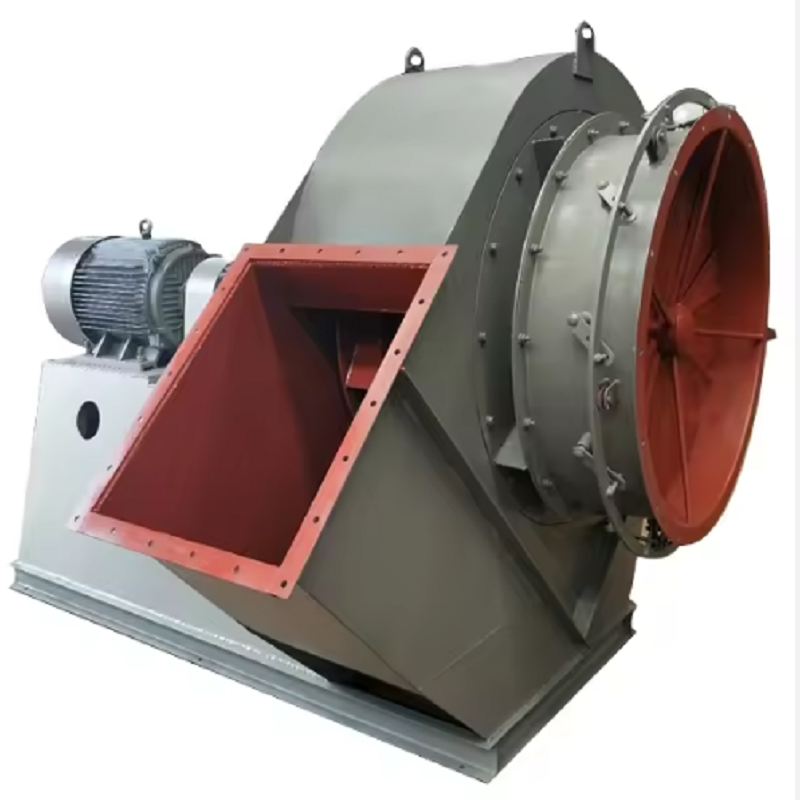
Furnace and boiler exhaust systems operate under conditions that are much harder on fans than ordinary ventilation. The gas can remain hot for long periods, contain ash or dust, and pass through ducts, heat exchangers, scrubbers, or dust collectors before reaching the stack. In these applications, High-Temperature Centrifugal Fans must be selected according to the actual gas temperature, airflow, pressure, material, and operating cycle rather than simply choosing a larger conventional fan.

Temperature Is Only the Starting Point

When selecting High-Temperature Centrifugal Fans, temperature is usually the first parameter engineers look at, but it is not the only one that matters. Gas density changes with temperature, which affects the relationship between volumetric flow, pressure, and motor power. A fan designed for 20°C air cannot automatically be used for 250°C flue gas simply because its rated airflow appears sufficient.

A proper specification should include normal and maximum gas temperature, required airflow, static or total pressure, gas composition, dust concentration, operating altitude, operating hours, and expected load variations. If the furnace normally operates at 220°C but can reach 280°C during abnormal conditions, the fan design should account for that upper temperature rather than being based only on the normal operating value.

For High-Temperature Centrifugal Fans, it is also important to distinguish between the temperature of the gas and the temperature experienced by the bearings, shaft, seals, and motor. These components do not necessarily see the same temperature, and their arrangement has a direct effect on service life.

Fan Selection Should Follow the Actual System Resistance

A furnace exhaust fan does not operate independently. The gas may travel through several meters of ductwork, expansion joints, dampers, cyclones, heat exchangers, bag filters, scrubbers, and chimneys. Every component creates pressure loss.

For example, a boiler system may require 50,000 m³/h of flue gas at 3,500 Pa. If a new dust collector is added later and its pressure drop increases the system resistance by 700 Pa, the original fan may no longer operate at its design airflow.

This is why High-Temperature Centrifugal Fans should be selected using the complete system operating point. Increasing motor power without checking system resistance can result in higher electricity consumption without solving the airflow problem.

Before final selection, technicians should measure or calculate:

Fan inlet pressure

Fan outlet pressure

Required airflow

Duct pressure losses

Filter pressure drop

Damper position

Gas temperature

Fan rotational speed

Motor current

These measurements provide a much better basis for fan selection than relying solely on the original equipment nameplate.

Impeller Design Matters at High Temperature

The impeller is exposed directly to the moving gas and is therefore one of the most important components in High-Temperature Centrifugal Fans.

At elevated temperatures, thermal expansion changes the dimensions of rotating and stationary components. If clearances are not properly considered, the risk of rubbing can increase. The impeller must also withstand centrifugal stress at operating speed while tolerating repeated heating and cooling cycles.

Blade geometry should be selected according to the gas characteristics and required pressure. For relatively clean flue gas where efficiency is a major concern, backward-curved configurations may be suitable. For heavier dust loading, other blade arrangements and wear protection may be more appropriate.

Dynamic balancing is equally important. A small imbalance that seems insignificant during cold testing can become more problematic after repeated thermal cycling or when deposits accumulate unevenly on the impeller.Case Study: Furnace Exhaust Fan Operating at 250°CA metal heat-treatment furnace was equipped with an exhaust system handling approximately 28,000 m³/h of gas at a normal temperature of 230–250°C. The required static pressure was approximately 2,800 Pa.

After several months of operation, the original fan developed increasing vibration. The first assumption was that the bearings were failing.

Inspection showed a different problem. Deposits had accumulated unevenly on several impeller blades. At the same time, the existing bearing arrangement was receiving more heat than expected.

For the replacement High-Temperature Centrifugal Fans, the engineering team made several changes:

The impeller was redesigned for easier inspection and cleaning.

The rotating assembly was dynamically balanced after fabrication.

The shaft and bearing arrangement were reviewed for the actual thermal conditions.

Additional thermal protection was provided around heat-sensitive components.

The motor was separated from the hot gas path.

An inspection opening was added to simplify future impeller checks.

After installation, vibration was measured during initial startup and again after the fan reached normal operating temperature. The fan was then checked at several operating speeds rather than only at full speed.

The important lesson was that replacing the bearing alone would not have addressed the underlying problem. High-temperature service requires attention to the entire rotating assembly.

Bearing Protection Can Determine Fan Life

Bearings are often less tolerant of high temperatures than the main fan structure. Excessive heat can accelerate lubricant degradation and reduce bearing life.

For High-Temperature Centrifugal Fans, bearing location should therefore be considered during the mechanical design stage. Depending on the fan configuration, bearings can be positioned away from the hottest gas path, while shaft cooling or other thermal protection measures can be incorporated where necessary.

Technicians should monitor bearing temperature during commissioning and routine operation. A gradual increase in bearing temperature can indicate lubrication problems, misalignment, excessive belt tension, shaft issues, or increased thermal exposure.

It is also useful to establish a baseline after commissioning. If a bearing normally operates at a stable temperature but begins showing a consistent upward trend, maintenance can be scheduled before a failure occurs.

Material Selection Cannot Be an Afterthought

Temperature and gas composition work together to determine material requirements.

A furnace exhaust system may contain oxygen, sulfur compounds, chlorides, moisture, or abrasive particles depending on the process. At high temperatures, some corrosion mechanisms can become more aggressive.

For High-Temperature Centrifugal Fans, material selection should therefore consider both temperature and chemical exposure. Carbon steel may be adequate for some applications, while stainless steel or specialized heat-resistant materials may be necessary for others.

Wear protection is also important when the exhaust contains ash, scale, or abrasive particles. High-velocity particles can gradually reduce blade thickness, particularly around the leading edges and high-impact areas.

A practical inspection program should focus on these areas rather than checking only the overall appearance of the housing.

Boiler Applications Require Stable Draft Control

Boiler systems place another demand on High-Temperature Centrifugal Fans: maintaining stable furnace draft.

If the induced-draft fan produces insufficient negative pressure, combustion gases may not be removed effectively. If the draft is excessive, unnecessary heat can be pulled through the system, increasing energy losses and potentially affecting combustion conditions.

Suppose a boiler normally requires 40,000 m³/h but production varies between 60% and 100% load. Operating a fixed-speed fan continuously at maximum speed may provide more airflow than necessary during low-load conditions.

A variable-frequency drive can allow the fan speed to follow the boiler load, provided the fan, motor, control system, and operating range are properly matched.

For High-Temperature Centrifugal Fans, this approach can improve operating flexibility while reducing the need for constant damper throttling.

Case Study: Boiler Induced-Draft Fan Upgrade

A small industrial boiler was experiencing unstable furnace pressure during load changes. The existing induced-draft fan was operating at a fixed speed, while the outlet damper was being adjusted manually.

Field measurements showed that the fan had enough capacity at full load but was oversized for the lower-load operating range.

The replacement High-Temperature Centrifugal Fans were specified around the actual boiler operating curve rather than the maximum airflow alone. The system included variable-speed control so that the fan could respond to changes in boiler load.

During commissioning, operators recorded furnace pressure, fan speed, motor current, airflow, and flue gas temperature at different boiler loads.

The result was more consistent draft control and less dependence on manual damper adjustment. More importantly, the fan was operating closer to the actual process requirement instead of continuously running at maximum capacity.

Thermal Expansion Needs to Be Considered

One detail that is easy to overlook in high-temperature fan installations is thermal expansion.

A fan housing, shaft, base, duct, and connected equipment can all expand as temperature rises. If the installation does not allow for this movement, mechanical stress can be transferred to the fan casing or connected ductwork.

When installing High-Temperature Centrifugal Fans, technicians should check:

Base and foundation arrangement

Flexible duct connections

Expansion joints

Shaft alignment

Housing clearances

Bearing alignment

Hot and cold alignment conditions

Coupling installation

The fan should be checked both before startup and after reaching normal operating temperature. A machine that appears perfectly aligned when cold may behave differently at operating temperature.

Maintenance Should Focus on Trends

High-temperature fans should not be maintained only when something breaks.

For High-Temperature Centrifugal Fans, routine monitoring should include vibration, bearing temperature, motor current, fan speed, airflow, pressure, and impeller condition.

A practical maintenance schedule could include:

Daily or per shift:

Check abnormal noise, vibration, bearing temperature, and motor current.

Weekly:

Inspect fan housing, duct connections, expansion joints, lubrication condition, and visible deposits.

Monthly:

Check vibration trends, coupling condition, fasteners, electrical connections, and fan operating point.

During planned shutdowns:

Inspect the impeller, shaft, wear areas, bearings, seals, and internal deposits.

The exact interval should be adjusted according to operating temperature, dust concentration, running hours, and the criticality of the process.

Avoid Solving Every Problem by Increasing Fan Speed

When a furnace or boiler cannot achieve the required airflow, increasing speed may appear to be an easy fix. It can also create a new problem.

Fan power rises rapidly with speed. Under comparable conditions, a relatively small increase in rotational speed can produce a much larger increase in power demand. Higher speed also increases mechanical stress and may move the fan away from its most efficient operating region.

Before increasing the speed of High-Temperature Centrifugal Fans, technicians should first determine why airflow is insufficient.

Possible causes include:

Clogged filters

Excessive duct resistance

Incorrect damper position

Impeller fouling

Wrong rotation direction

Belt slip

System modifications

Incorrect fan selection

Gas temperature higher than the original design condition

Finding the actual cause is normally safer and more economical than simply increasing speed.

What Industrial Buyers Should Provide to the Fan Manufacturer

A detailed inquiry can significantly improve the accuracy of High-Temperature Centrifugal Fans selection.

Instead of sending only “50,000 m³/h, 250°C,” provide the manufacturer with the complete operating conditions:

Airflow: 50,000 m³/h

Static pressure: 3,000 Pa

Normal temperature: 220°C

Maximum temperature: 260°C

Medium: boiler flue gas

Dust concentration: actual measured value if available

Operating hours: 20–24 hours/day

Altitude: installation elevation

Motor: voltage and frequency

Control: fixed speed or VFD

Installation: indoor/outdoor and fan orientation

Gas composition: where corrosion may be a concern

If the system operates under multiple conditions, provide both the normal and maximum operating points. This allows the manufacturer to evaluate whether one fan can cover the complete range or whether a different control strategy is needed.

Reliable High-Temperature Fan Performance Comes From the Entire System

A reliable furnace or boiler exhaust system is not created by simply choosing a fan with a higher temperature rating.

High-Temperature Centrifugal Fans require coordinated engineering of the impeller, shaft, bearings, housing, materials, motor, drive system, ductwork, expansion joints, and control strategy. The operating temperature must be considered together with airflow, pressure, gas composition, dust loading, and operating hours.

For industrial plants, the most useful approach is straightforward: measure the actual process conditions, calculate the system resistance, select the fan around the required operating point, and verify performance during commissioning.

That process may take more effort at the beginning, but it helps avoid common problems such as unstable draft, excessive vibration, premature bearing failure, impeller wear, and unnecessary energy consumption.

When properly specified and maintained, High-Temperature Centrifugal Fans can provide dependable exhaust performance for furnaces, boilers, kilns, dryers, thermal processing equipment, and other demanding industrial applications.

Related News
Leave me a message
X
We use cookies to offer you a better browsing experience, analyze site traffic and personalize content. By using this site, you agree to our use of cookies.Privacy Policy
RejectAccept