News

High Temperature Centrifugal Fan Selection Guide for Industrial Applications

2026-08-06 0 Leave me a message

Introduction: Why Proper Selection Matters

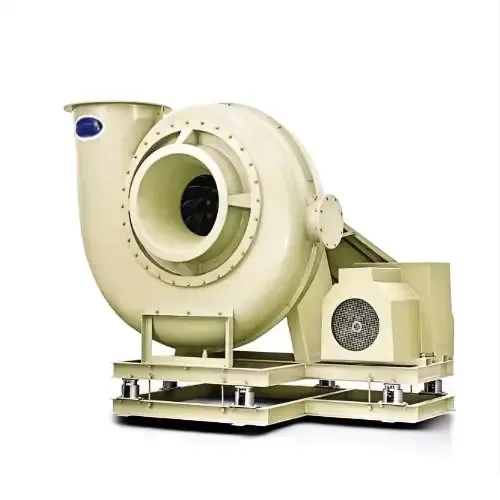
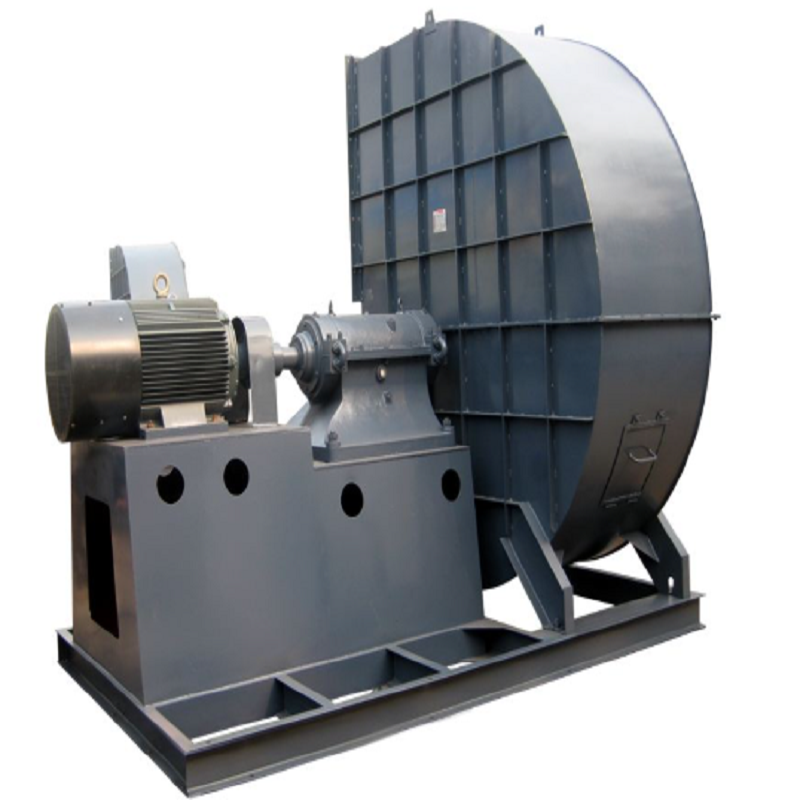
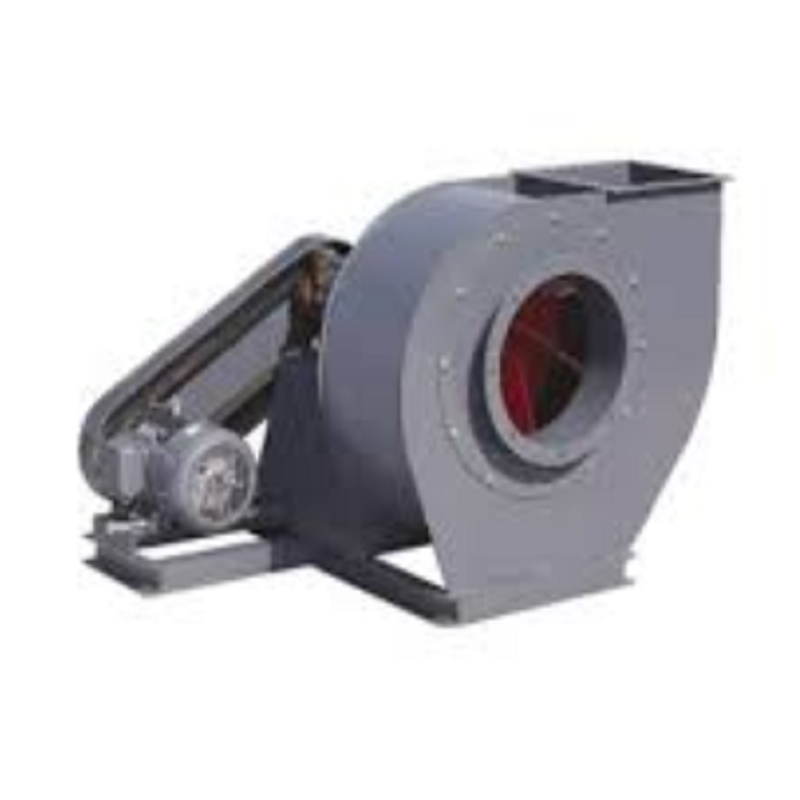
In high-temperature industrial processes, fan selection directly affects production efficiency, equipment safety, and operating costs. A standard centrifugal fan may perform well under normal conditions, but when exposed to continuous high temperatures, corrosive gases, or heavy dust loads, it can quickly suffer from deformation, bearing failure, and reduced airflow performance. Choosing the right High Temperature Centrifugal Fan requires a detailed evaluation of operating temperature, gas composition, pressure requirements, and mechanical design.

Industries such as steel plants, glass manufacturing, cement production, furnaces, boilers, and heat treatment facilities often operate under extreme conditions. In these applications, the fan is not simply an air-moving device; it is a critical component that maintains combustion efficiency, exhaust performance, and process stability.

1. Understand Operating Conditions Before Selecting a High Temperature Centrifugal Fan

The first step in selecting a High Temperature Centrifugal Fan is to accurately define the working environment. Many fan failures occur because the actual operating conditions differ from the original design parameters.

Key parameters that should be confirmed include:

Gas temperature

Airflow volume (m³/h or CFM)

Static pressure requirement (Pa or mmH₂O)

Gas density

Dust concentration

Chemical composition of exhaust gas

Continuous or intermittent operation

For example, a steel heat treatment furnace may generate exhaust gas at 450°C with fine metal oxide particles. If a conventional fan is installed, the impeller may experience thermal expansion, causing imbalance and vibration. In this case, a High Temperature Centrifugal Fan designed with heat-resistant materials and reinforced impeller structures is required.

During actual project evaluation, engineers should not only consider the maximum temperature but also the operating temperature range. A fan running continuously at 400°C requires a different design compared with a fan exposed to 600°C for short periods.

2. Material Selection and Structural Design

Material selection is one of the most important factors affecting the service life of a High Temperature Centrifugal Fan. The impeller, casing, shaft, and cooling components must withstand thermal stress during long-term operation.

Common material choices include:

Carbon Steel

Suitable for medium-temperature applications where gas temperatures are generally below 300°C. It provides good mechanical strength but has limited resistance to thermal deformation.

Stainless Steel

Used in applications involving high temperatures and corrosive gases. Stainless steel grades such as SS304 and SS316 are commonly selected for chemical processing and exhaust systems.

Heat-Resistant Alloy Steel

For extreme applications above 500°C, heat-resistant alloy materials are often required to maintain mechanical strength.

A practical example comes from a ceramic manufacturing plant. The original exhaust system used a standard steel fan operating at 380°C. After six months, the impeller developed cracks due to repeated heating and cooling cycles. The replacement solution was a High Temperature Centrifugal Fan with a reinforced backward-curved impeller, high-temperature bearings, and shaft cooling structure. The service interval increased from several months to more than two years.

3. Impeller Design and Thermal Expansion Control

The impeller is the core rotating component of a high-temperature fan. Incorrect impeller design can result in vibration, efficiency loss, and unexpected shutdowns.

When selecting a High Temperature Centrifugal Fan, engineers should evaluate:

Impeller diameter

Blade shape

Rotation speed

Balance grade

Thermal expansion allowance

Backward-curved blades are often preferred because they provide higher efficiency and stable operation under variable loads. Forward-curved blades may offer higher airflow at low pressure but are generally less suitable for demanding high-temperature applications.

For example, in a biomass boiler exhaust system, the operating temperature can fluctuate between 250°C and 450°C. A properly designed High Temperature Centrifugal Fan must allow the impeller to expand during heating without contacting the casing. Engineers typically reserve expansion clearance and perform dynamic balancing after thermal stress calculations.

4. Bearing Cooling and Shaft Protection

Bearing failure is one of the most common problems in high-temperature fan applications. Even if the impeller can withstand high temperatures, excessive heat transfer through the shaft may damage bearings.

A reliable High Temperature Centrifugal Fan usually includes:

Extended shaft design

Cooling disc or air cooling structure

High-temperature grease

Water-cooled bearing housing (for extreme conditions)

For instance, a furnace exhaust application required continuous operation at 550°C. The original fan experienced bearing failures every three months because heat traveled directly from the impeller shaft to the bearing assembly. After upgrading to a High Temperature Centrifugal Fan with a longer shaft and cooling wheel, bearing temperature was reduced significantly, allowing stable 24-hour operation.

5. Pressure and Airflow Matching

Selecting a fan based only on temperature rating is a common mistake. A properly designed High Temperature Centrifugal Fan must also match the system airflow and pressure requirements.

The selection process should include:

Calculate required airflow according to process demand.

Measure system resistance from ducts, filters, dampers, and equipment.

Select the fan operating point near the highest efficiency zone.

Consider future system expansion.

For example, a dust collection system in a metal processing factory required 80,000 m³/h airflow at 3500 Pa pressure. A low-pressure fan could deliver sufficient airflow but failed to overcome duct resistance, resulting in poor dust removal performance. After replacing it with a correctly sized High Temperature Centrifugal Fan, the system achieved stable suction performance and reduced energy consumption.

6. Maintenance Practices to Extend Fan Service Life

Even the best-designed High Temperature Centrifugal Fan requires proper maintenance to maintain performance.

Recommended maintenance procedures include:

Regular Vibration Monitoring

Sudden increases in vibration usually indicate impeller imbalance, bearing wear, or shaft problems.

Impeller Inspection

Dust buildup on blades can create imbalance and reduce efficiency.

Bearing Temperature Monitoring

Abnormal temperature increases should be investigated immediately.

Bolt and Foundation Checks

Thermal cycling can loosen connections over time.

In one industrial furnace project, routine vibration checks detected early impeller imbalance caused by dust accumulation. Cleaning and balancing the impeller prevented a major failure and avoided several days of production downtime.

7. Common Mistakes When Choosing a High Temperature Centrifugal Fan

Many operational problems are caused by incorrect selection rather than manufacturing defects.

Common mistakes include:

Selecting a fan only according to airflow capacity

Ignoring gas density changes at high temperatures

Using standard bearings in high-temperature environments

Failing to consider corrosive gases

Not allowing thermal expansion space

A professional selection process should include cooperation between the fan manufacturer and system engineer. Detailed operating data helps ensure the High Temperature Centrifugal Fan is designed according to actual site conditions rather than general specifications.

Conclusion

Selecting the correct fan for extreme industrial environments requires more than checking temperature limits. A reliable High Temperature Centrifugal Fan must combine suitable materials, proper impeller design, effective cooling methods, and accurate airflow-pressure matching.

From furnace exhaust systems to boiler applications and chemical processing plants, the right fan design can improve energy efficiency, reduce maintenance costs, and prevent unexpected downtime. By evaluating real operating conditions and applying practical engineering principles, companies can achieve long-term stable operation even in the most demanding high-temperature environments.

Related News
Leave me a message
X
We use cookies to offer you a better browsing experience, analyze site traffic and personalize content. By using this site, you agree to our use of cookies. Privacy Policy
RejectAccept