News

How Do Type A Centrifugal Fans Improve Ventilation in Warehouses and Logistics Centers?

2026-07-27 0 Leave me a message

Introduction

Warehouses and logistics centers often face ventilation challenges caused by large indoor spaces, high ceilings, continuous equipment operation, and frequent loading activities. Poor air circulation can lead to heat accumulation, excessive humidity, dust buildup, and an uncomfortable working environment. Choosing the right ventilation equipment is essential for maintaining stable airflow and improving operational efficiency.

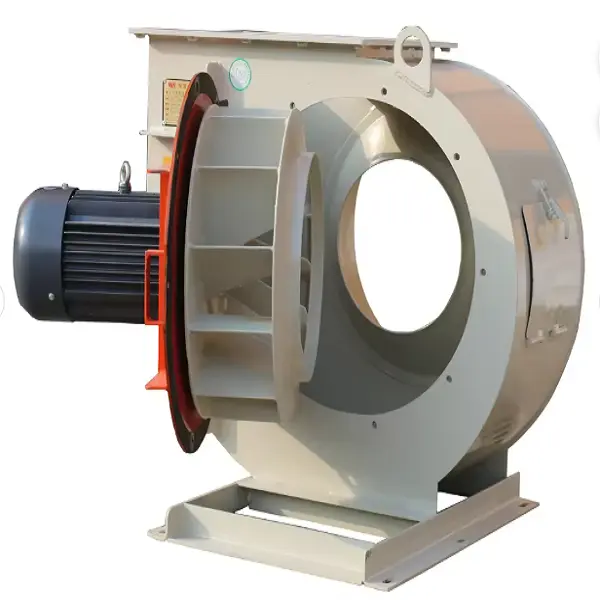
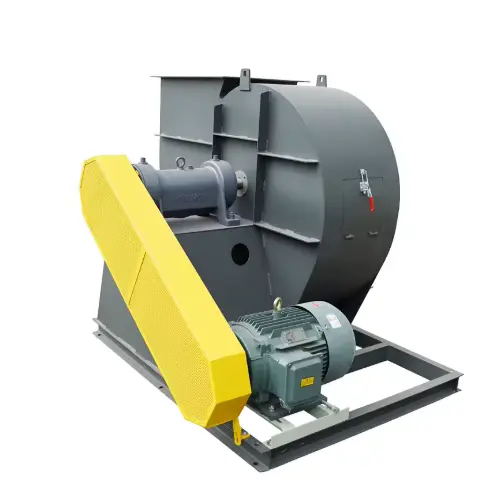
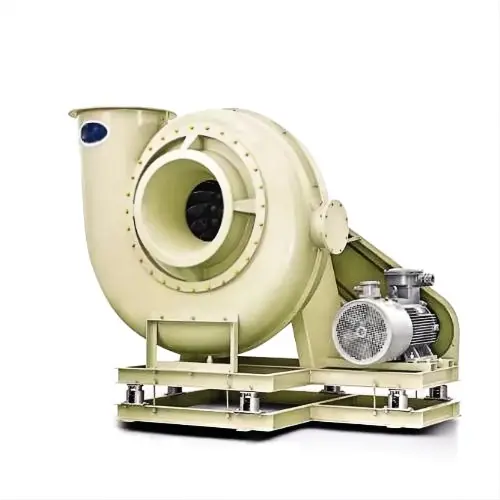
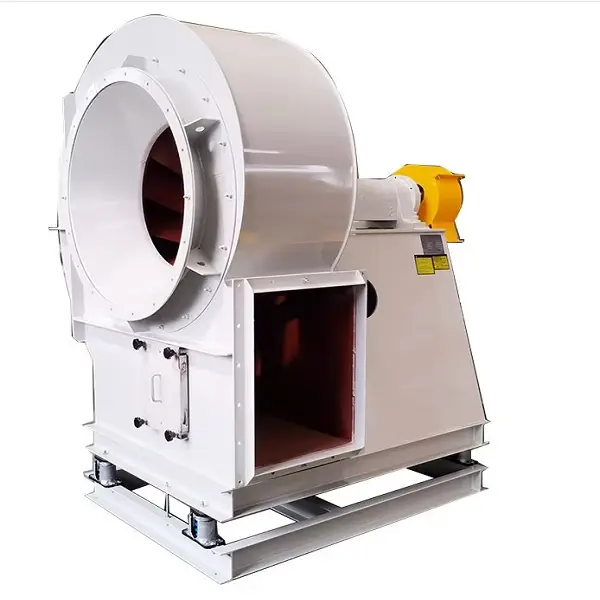
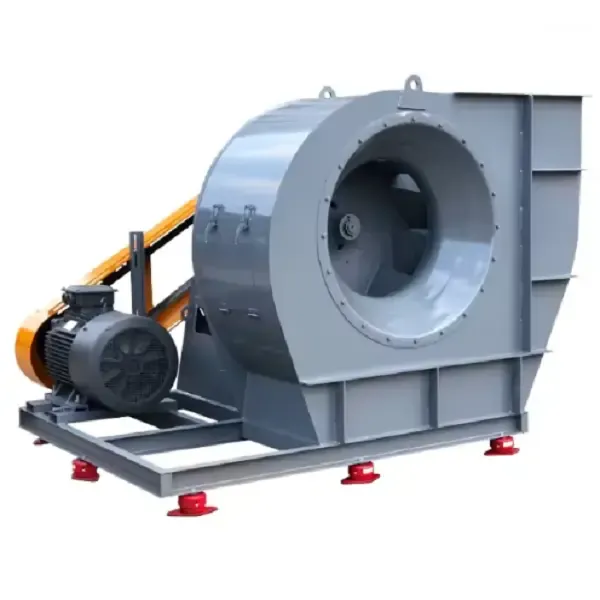
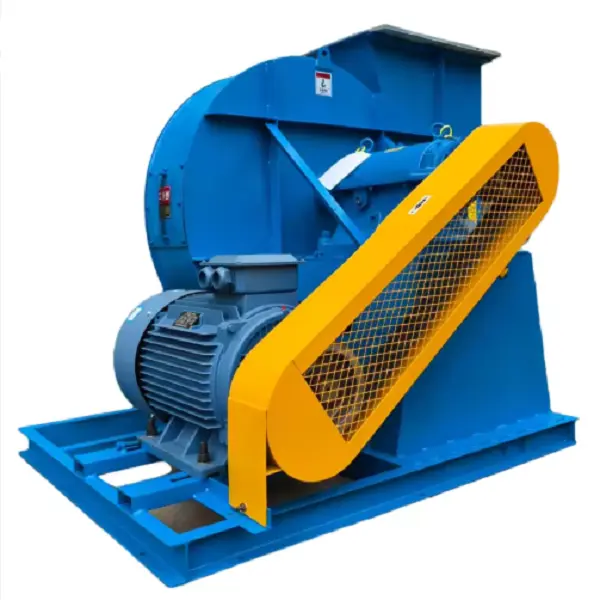
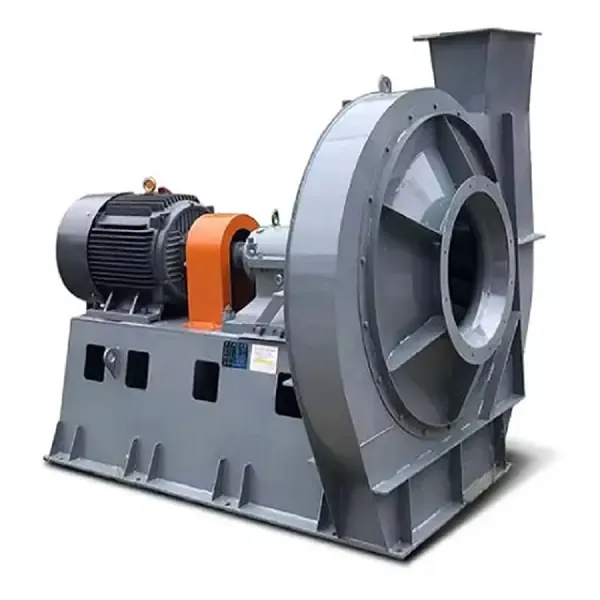
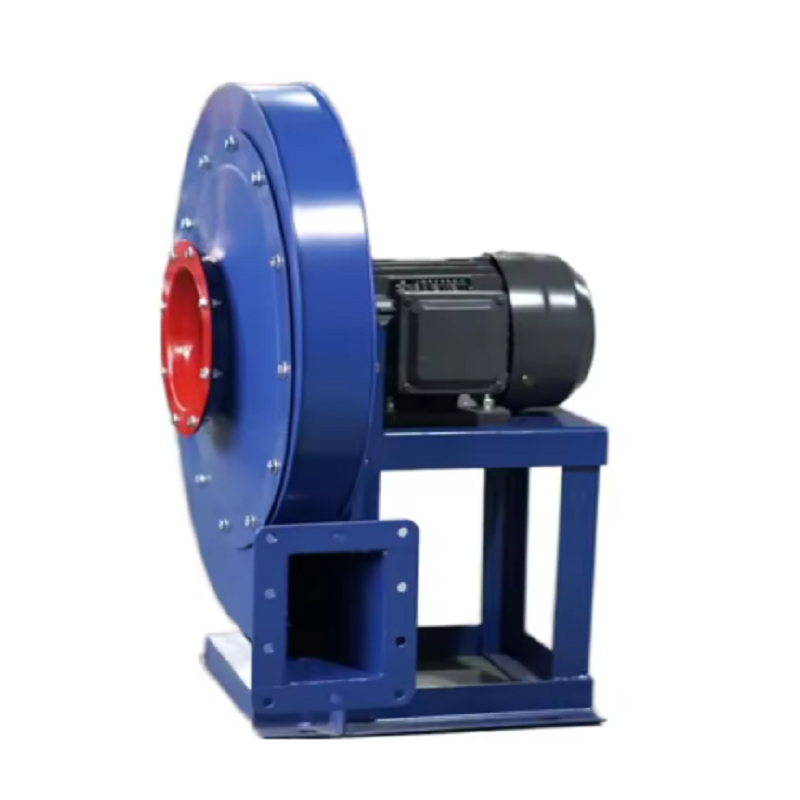
A Type A Centrifugal Fan is widely used in industrial ventilation systems because of its stable airflow performance, high-pressure capability, and adaptability to complex duct layouts. Compared with conventional ventilation equipment, it can deliver consistent air movement even in systems with long pipelines, filters, or resistance components, making it suitable for modern warehouses and logistics facilities.

Why Are Ventilation Systems Important in Warehouses and Logistics Centers?

Large warehouses usually have a wide floor area and limited natural ventilation. During daily operations, forklifts, automated storage systems, packaging equipment, and workers continuously generate heat and airborne particles. Without an effective ventilation solution, indoor air quality may decrease and equipment efficiency can be affected.

A properly designed Type A Centrifugal Fan system helps maintain balanced airflow by extracting hot air, introducing fresh air, and reducing stagnant zones inside the facility. For example, in a 10,000-square-meter distribution center, installing multiple ventilation points connected with centrifugal fans can significantly improve air exchange efficiency and create a more stable indoor environment.

In addition, logistics facilities often operate 24 hours a day. Therefore, ventilation equipment must provide reliable performance under continuous operation. A high-quality Type A Centrifugal Fan is designed for long service cycles, offering stable operation with lower maintenance requirements.

How Does a Type A Centrifugal Fan Improve Warehouse Air Circulation?

One of the main advantages of a Type A Centrifugal Fan is its ability to overcome system resistance. In warehouse ventilation projects, air often needs to pass through long duct systems, air filters, dampers, and exhaust channels. These components create pressure losses that ordinary fans may struggle to handle.

For example, a logistics center with a 50-meter exhaust duct system may experience significant airflow reduction if the fan pressure is insufficient. By selecting a centrifugal fan with the correct airflow volume and static pressure rating, engineers can maintain the designed ventilation performance throughout the entire system.

Practical selection should consider several factors:

Required airflow volume (m³/h or CFM)

Static pressure requirements

Warehouse size and height

Operating temperature conditions

Dust and humidity levels

Running hours per day

A correctly selected Type A Centrifugal Fan ensures that the ventilation system operates close to its designed efficiency instead of consuming unnecessary energy due to oversizing or poor airflow control.

Case Study: Improving Ventilation Efficiency in a Logistics Distribution Center

A logistics company operating a large sorting facility experienced problems with high indoor temperatures during peak seasons. The warehouse contained automated sorting equipment that generated continuous heat, especially during summer operation.

The original ventilation system used standard exhaust fans, but airflow was insufficient due to the long duct distance and multiple filtration sections. The company upgraded the system by installing industrial centrifugal ventilation equipment based on Type A Centrifugal Fan technology.

After optimization, the project achieved:

More consistent airflow distribution across the facility

Reduced heat accumulation near equipment areas

Improved working conditions for employees

Lower frequency of ventilation system maintenance

The engineering team also adjusted fan speed according to operating conditions by using variable frequency control. This allowed the Type A Centrifugal Fan to provide sufficient airflow during busy periods while reducing energy consumption during lower-demand operation.

Applications of Type A Centrifugal Fans in Modern Warehouses

Modern warehouses require flexible ventilation solutions because different areas have different airflow requirements. Storage zones, packaging areas, loading docks, and equipment rooms may require separate ventilation strategies.

Common applications include:

1. Heat Exhaust Systems

High-bay warehouses often experience heat accumulation near ceilings. A Type A Centrifugal Fan can efficiently remove hot air and improve vertical air circulation.

2. Dust and Particle Removal

Packaging and sorting operations may generate dust particles. Combined with filtration equipment, centrifugal fans help maintain cleaner air quality.

3. Fresh Air Supply Systems

Warehouses with limited natural airflow can use centrifugal fans to introduce fresh air and maintain a healthier environment.

4. HVAC Integration

Large logistics buildings often combine centrifugal fans with heating, cooling, and air treatment systems to achieve better climate control.

How to Maintain a Type A Centrifugal Fan for Long-Term Performance?

Regular maintenance is essential for ensuring reliable fan operation. Even a high-performance Type A Centrifugal Fan requires proper inspection and servicing to maintain efficiency.

Recommended maintenance practices include:

Check fan vibration regularly

Abnormal vibration may indicate imbalance, bearing wear, or installation problems.

Inspect the impeller condition

Dust accumulation on the impeller can reduce airflow performance and increase energy consumption.

Monitor motor operation

Checking temperature, noise levels, and electrical performance helps prevent unexpected failures.

Clean filters and duct systems

Blocked filters increase resistance and force the fan to operate under higher load.

For example, many industrial facilities schedule monthly visual inspections and quarterly performance checks to ensure their ventilation systems remain efficient.

Conclusion

Efficient ventilation is a key factor in maintaining productivity, safety, and comfort in warehouses and logistics centers. Due to its strong pressure capability, stable airflow output, and flexible installation options, a Type A Centrifugal Fan provides an effective solution for large-scale industrial ventilation requirements.

From warehouse air circulation and dust control to HVAC integration and energy-saving operation, selecting the right centrifugal fan can significantly improve system performance. With proper design, installation, and maintenance, a Type A Centrifugal Fan can help businesses create a more reliable and efficient ventilation environment for long-term operation.

Related News
Leave me a message
X
We use cookies to offer you a better browsing experience, analyze site traffic and personalize content. By using this site, you agree to our use of cookies.Privacy Policy
RejectAccept