Industrial exhaust systems often operate under extreme conditions where high temperature, corrosive gases, and continuous operation create significant challenges for ventilation equipment. Standard fans may experience reduced efficiency, material deformation, bearing failures, and shortened service life when exposed to high-temperature airflow.
To solve these problems, modern high temperature centrifugal fans are designed with heat-resistant materials, optimized impeller structures, and reliable cooling systems. These improvements allow centrifugal fans to maintain stable airflow performance in applications such as metal processing, furnace exhaust, chemical production, boiler systems, and industrial drying lines.
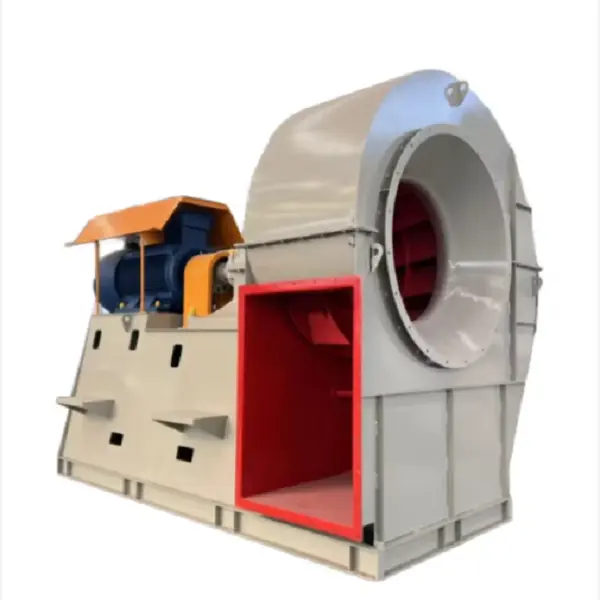
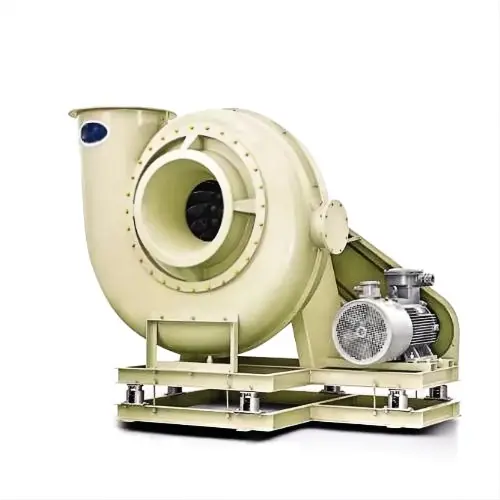
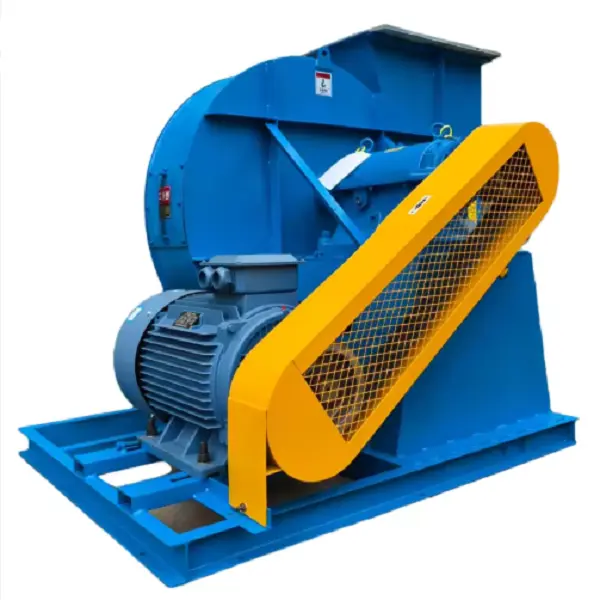
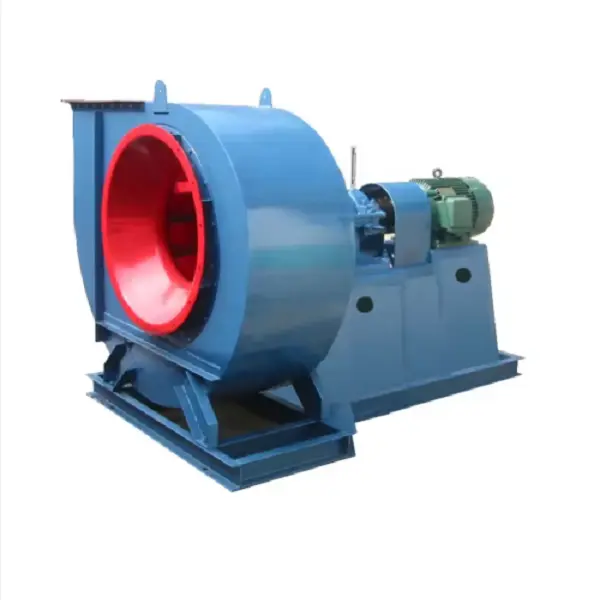
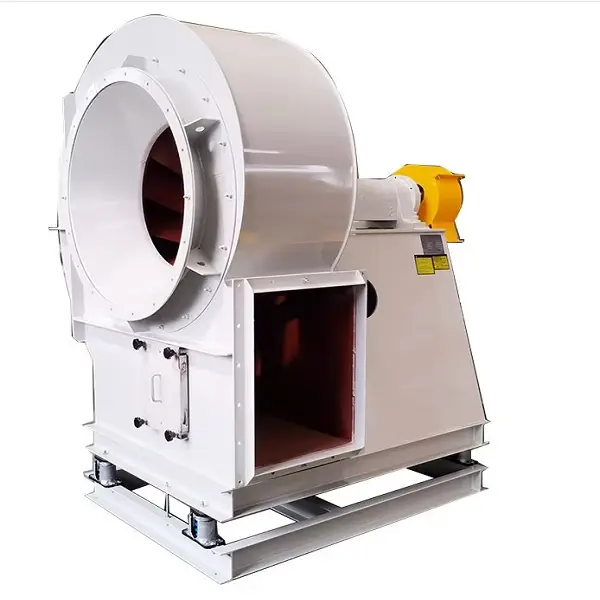
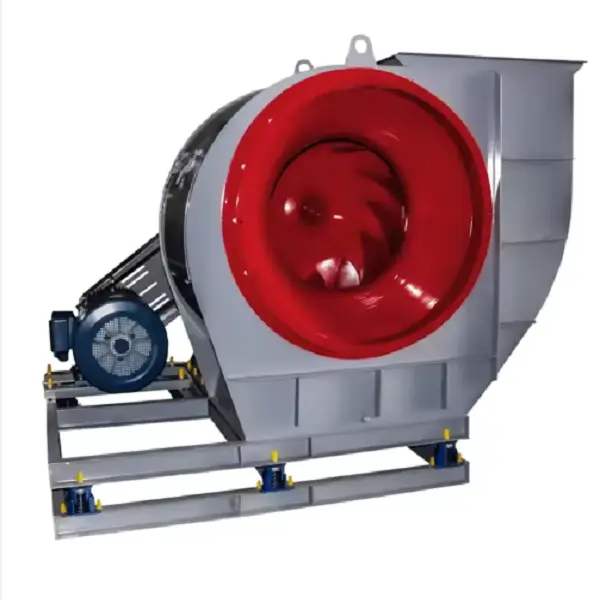
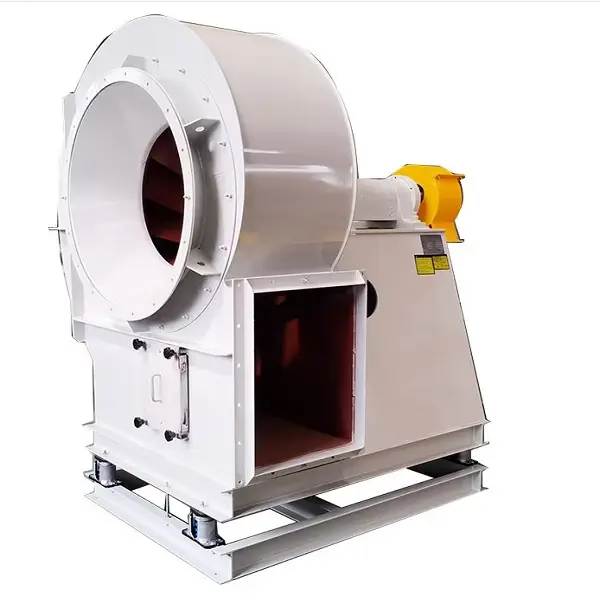
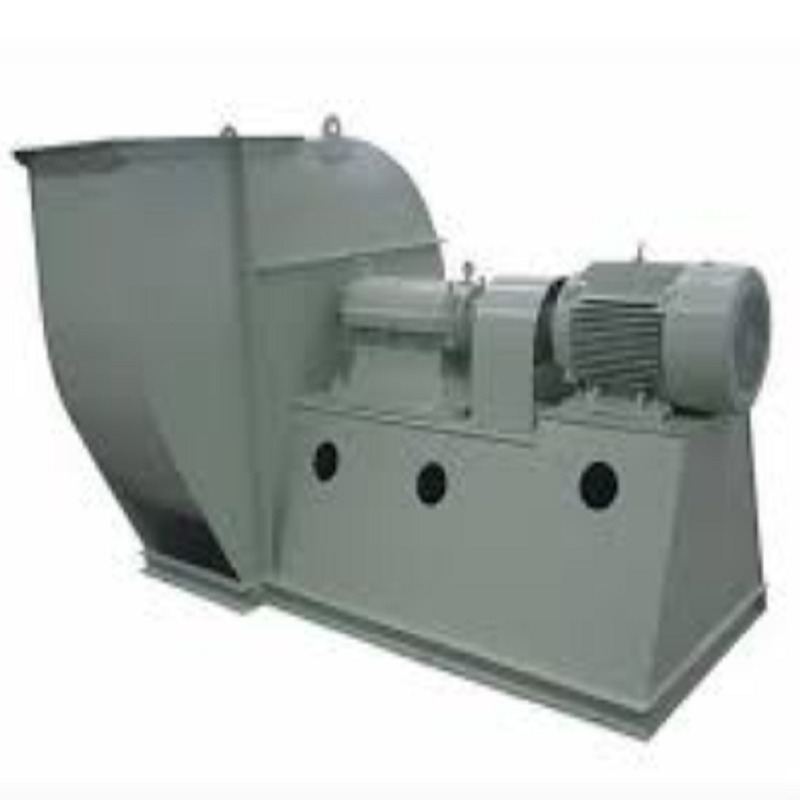
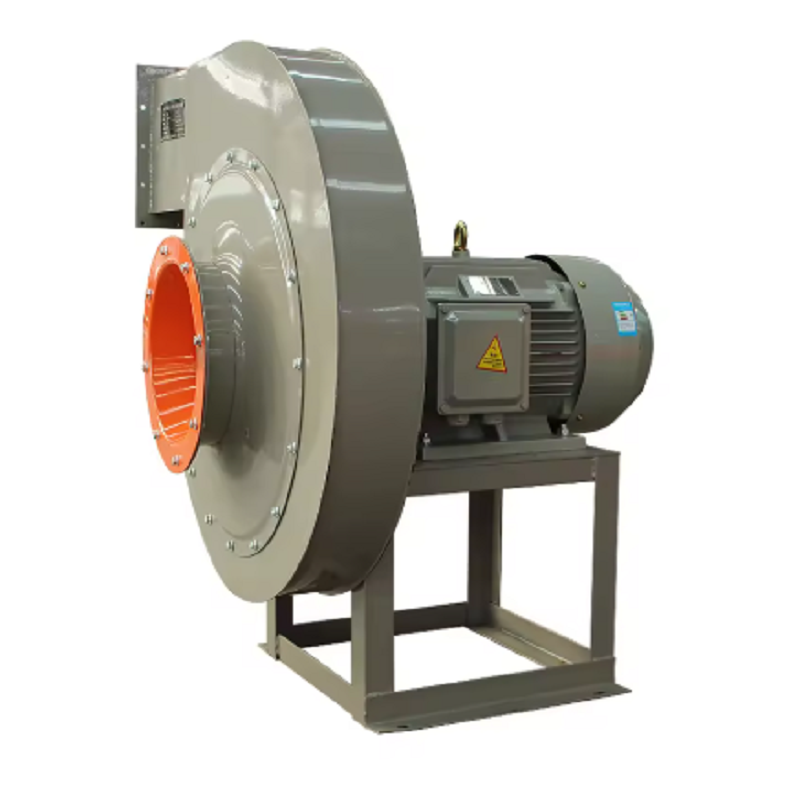
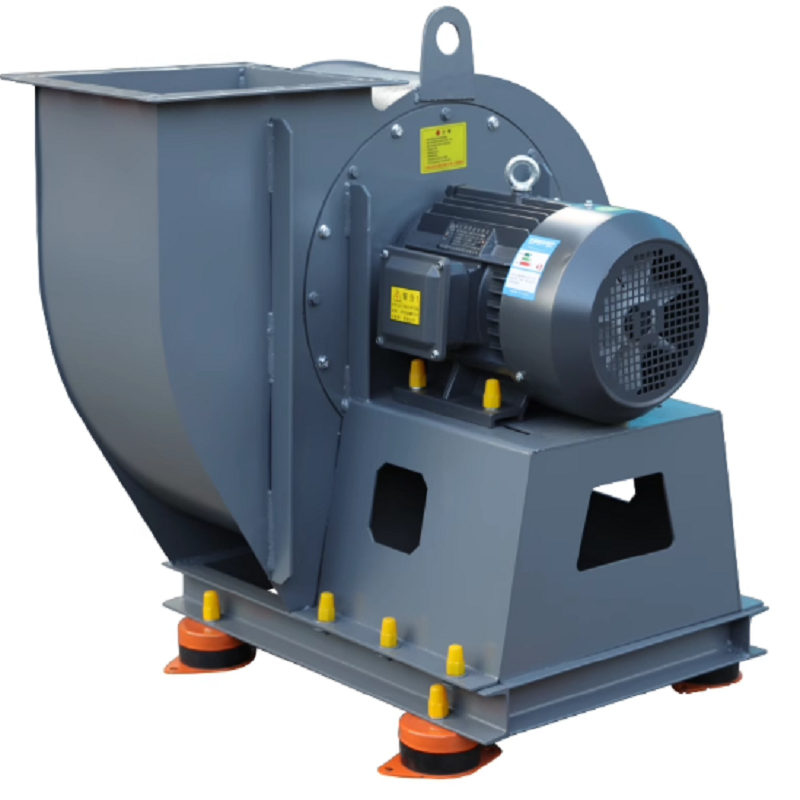
Among professional industrial ventilation solutions, Type C Centrifugal Fan and Type D Centrifugal Fan are widely used for demanding exhaust applications because they provide strong airflow capacity, stable pressure performance, and excellent operational reliability.
A high temperature centrifugal fan requires more than simply selecting a powerful motor. The complete system design must consider airflow temperature, gas composition, pressure requirements, material selection, and operating hours.
For high-temperature applications, the impeller is usually manufactured from heat-resistant steel or specially treated carbon steel. The shaft structure must maintain mechanical strength under continuous thermal expansion. In addition, the bearing system often requires external cooling or high-temperature lubrication to prevent premature failure.
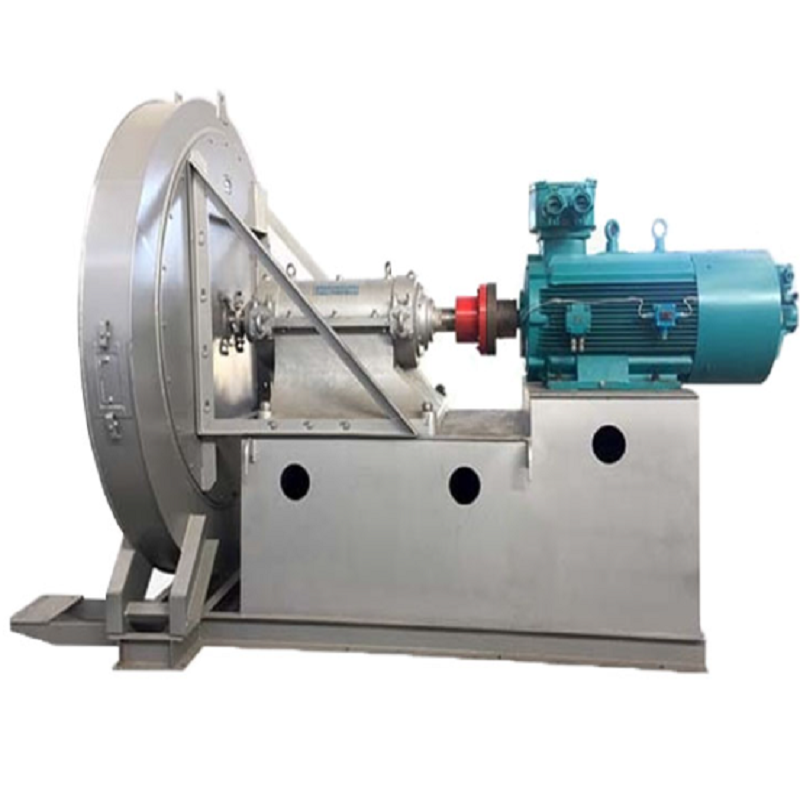
The Type C Centrifugal Fan is commonly applied in systems where the motor and fan are connected through a coupling structure. This design allows the motor to stay away from the high-temperature airflow path, reducing heat transfer damage and improving service life.
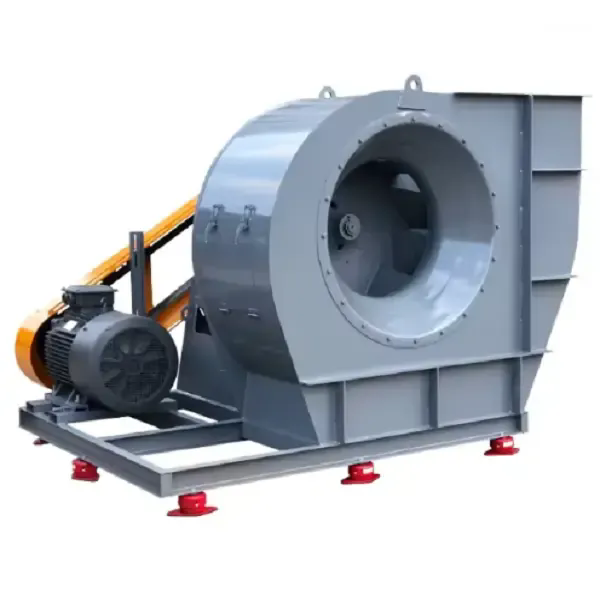
For applications requiring higher pressure capability, the Type D Centrifugal Fan provides a more flexible configuration. Its external drive structure and optimized transmission design make it suitable for heavy industrial exhaust systems where stable pressure and long-term operation are required.
Different industrial processes generate different exhaust conditions. Selecting the correct fan configuration directly affects energy consumption and equipment reliability.
A typical example is a steel processing factory operating a furnace exhaust system at approximately 350°C continuous airflow temperature. The previous ventilation system experienced frequent bearing replacement because the motor and fan assembly were exposed to excessive heat. After upgrading to a Type C Centrifugal Fan with a separated drive arrangement and improved cooling structure, the maintenance cycle increased significantly and unexpected shutdowns were reduced.
In another case, a chemical production facility required continuous removal of high-temperature process gases containing dust particles. Engineers selected a Type D Centrifugal Fan because the application required higher static pressure and stronger mechanical durability. After installation, airflow remained stable during 24-hour operation, while the fan successfully handled the demanding exhaust conditions.
Correct installation plays a major role in achieving the expected performance of industrial fans. Before installation, engineers should verify airflow volume, system resistance, operating temperature, and exhaust gas characteristics.
For a Type C Centrifugal Fan, alignment between motor, coupling, and fan shaft should be carefully checked during commissioning. Incorrect alignment can create vibration, increase bearing load, and reduce equipment lifetime.
When installing a Type D Centrifugal Fan, attention should be given to belt tension or coupling adjustment depending on the drive configuration. The foundation must be strong enough to absorb vibration during continuous operation.
A practical installation procedure normally includes:
Checking fan rotation direction before connecting the duct system.
Measuring vibration levels during initial operation.
Confirming motor current consumption under actual working conditions.
Inspecting bearing temperature after several hours of operation.
Adjusting system dampers to achieve the designed airflow.
Energy consumption is one of the largest operating costs for industrial ventilation equipment. An improperly selected fan may provide insufficient airflow or consume excessive power.
The aerodynamic design of the impeller has a direct impact on efficiency. A properly selected Type C Centrifugal Fan can reduce unnecessary energy loss by matching the airflow requirement with the actual process demand.
For large industrial exhaust systems, a Type D Centrifugal Fan combined with variable frequency drive (VFD) control can further improve efficiency. The fan speed can be adjusted according to production conditions, reducing electricity consumption during low-load operation.
For example, a manufacturing plant upgraded its exhaust system from fixed-speed operation to VFD-controlled Type D Centrifugal Fan units. The airflow automatically adjusted according to production requirements, resulting in lower annual energy consumption while maintaining required ventilation performance.
High temperature applications require a more detailed maintenance strategy compared with normal ventilation systems.
Operators should regularly inspect:
Bearing temperature changes
Fan vibration levels
Impeller wear condition
Shaft alignment
Motor operating current
Exhaust temperature fluctuations
For a Type C Centrifugal Fan, regular inspection of the coupling system helps prevent mechanical failures caused by misalignment or thermal expansion.
For a Type D Centrifugal Fan, checking the transmission components and lubrication condition is essential because these systems often operate under higher pressure and heavier workloads.
A preventive maintenance schedule can significantly extend fan service life and reduce production downtime.
Selecting the correct industrial exhaust fan requires evaluating the complete operating environment rather than focusing only on airflow capacity.
Key factors include:
Air temperature
Gas composition
Required airflow volume
Static pressure
Operating hours
Dust concentration
Installation space
For medium-temperature exhaust systems with flexible installation requirements, a Type C Centrifugal Fan can provide reliable performance and easy maintenance.
For high-pressure, heavy-duty industrial applications, a Type D Centrifugal Fan is often a better choice due to its stronger structure and improved durability.
With proper engineering selection, installation, and maintenance, high temperature centrifugal fans can provide stable airflow control and long-term reliability in challenging industrial environments.
The development of high temperature centrifugal fans has improved the reliability of industrial exhaust systems across multiple industries. Advanced designs such as Type C Centrifugal Fan and Type D Centrifugal Fan provide practical solutions for applications requiring high temperature resistance, stable airflow, and continuous operation.
By combining suitable fan selection, professional installation, and regular maintenance, industries can achieve better ventilation performance, lower operating costs, and improved production safety.