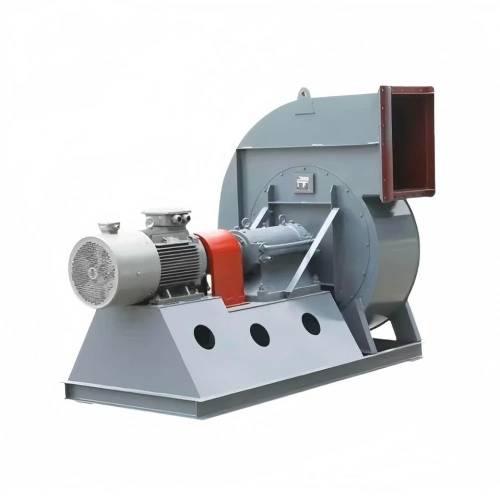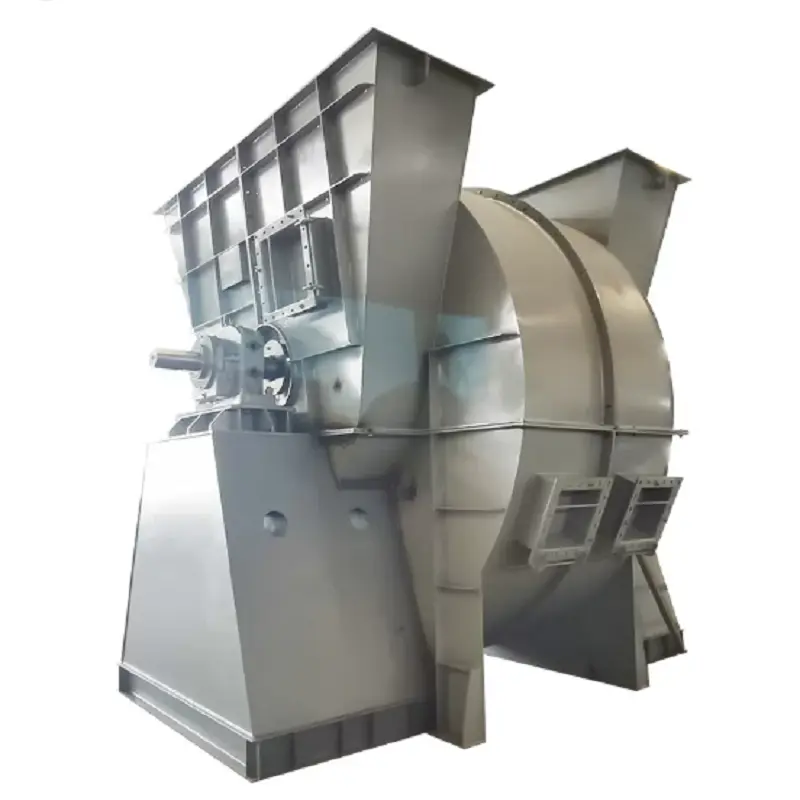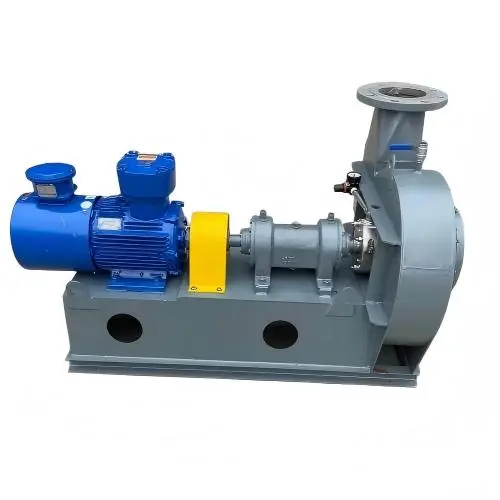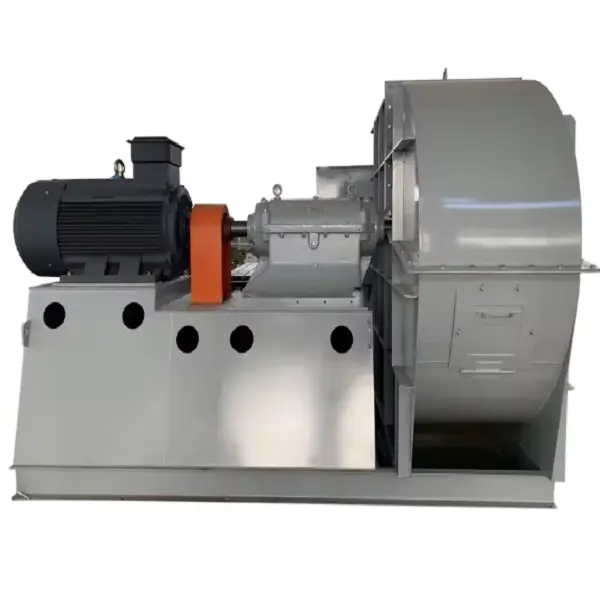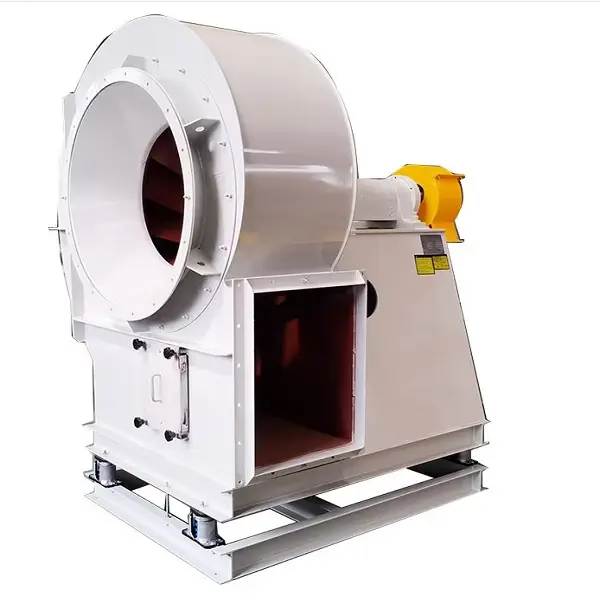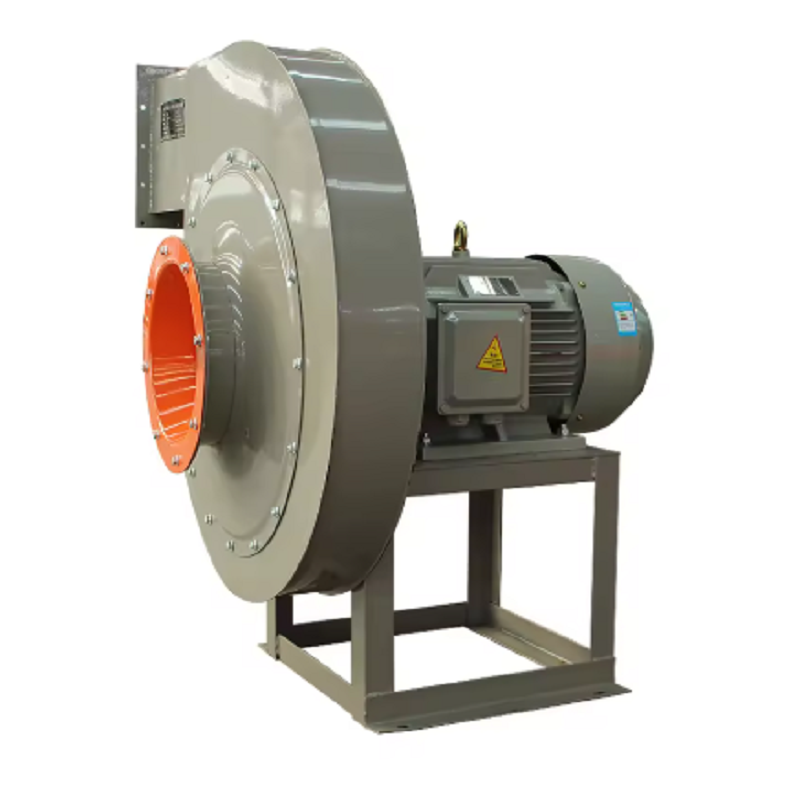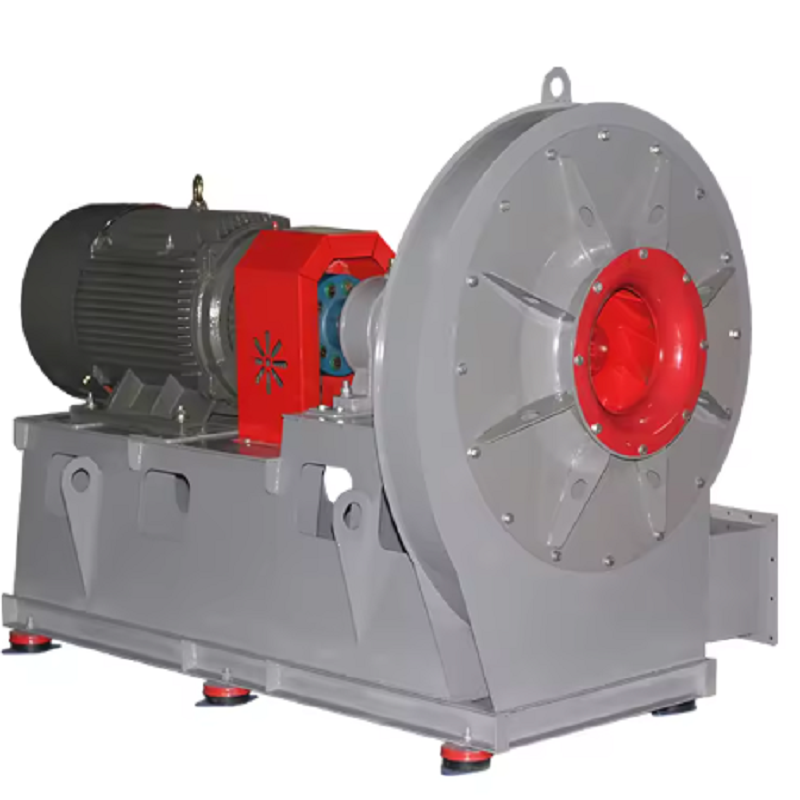
Choosing the right industrial ventilation equipment is not only about selecting a fan with enough airflow. The wrong fan selection can lead to excessive energy consumption, unstable operation, higher maintenance costs, and even production problems. Among different industrial ventilation solutions, the Type D Centrifugal Fan has become a popular choice for applications that require reliable airflow, high pressure performance, and continuous operation.
However, many engineers and purchasing managers still face challenges when selecting the right model. Factors such as airflow volume, static pressure, operating environment, temperature, and system resistance all influence the final decision. This guide explains how to select a suitable Type D Centrifugal Fan based on practical engineering considerations and real application experience.
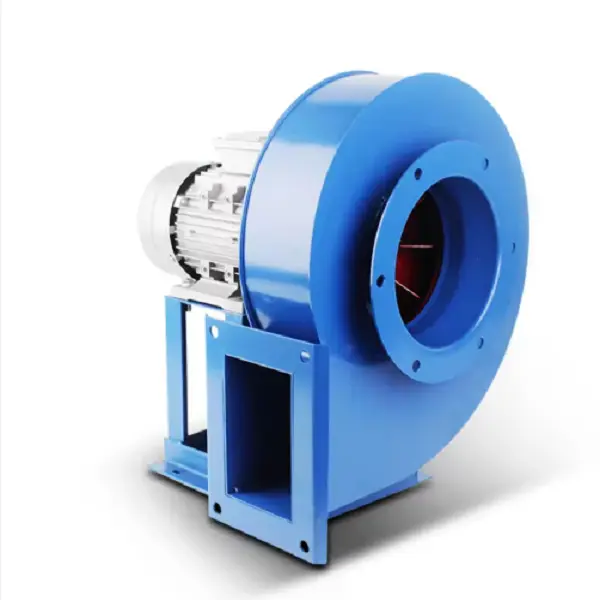
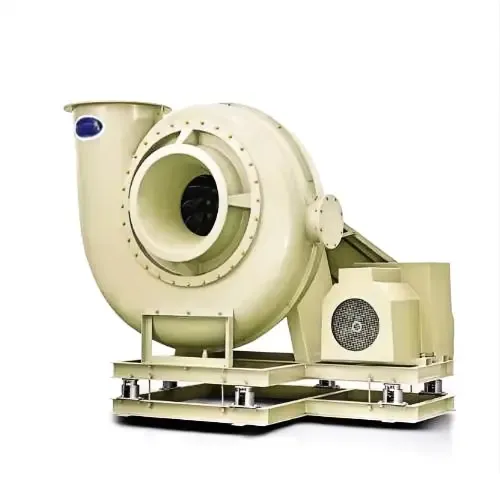
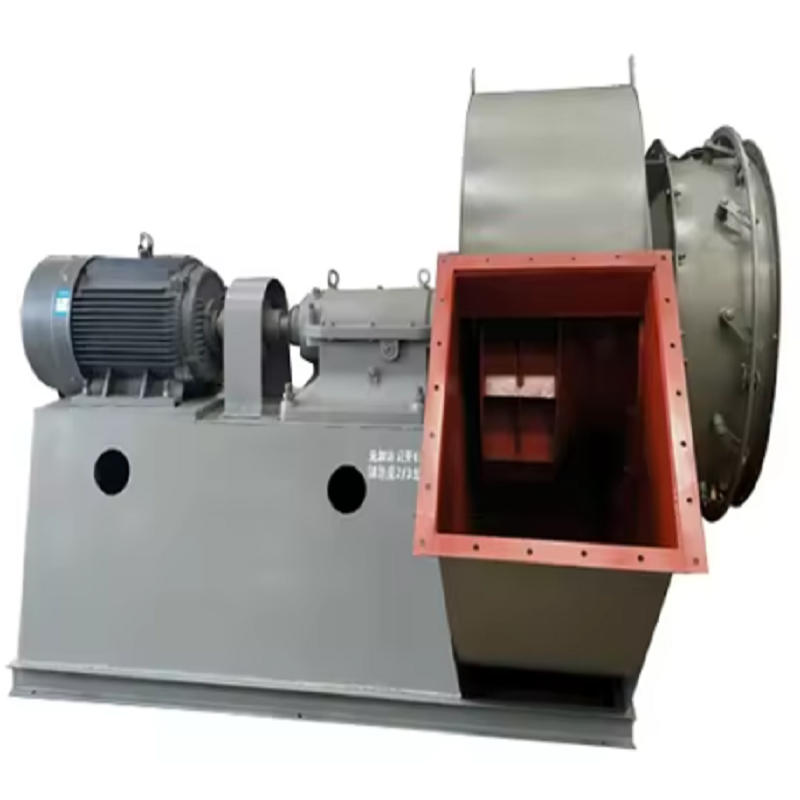
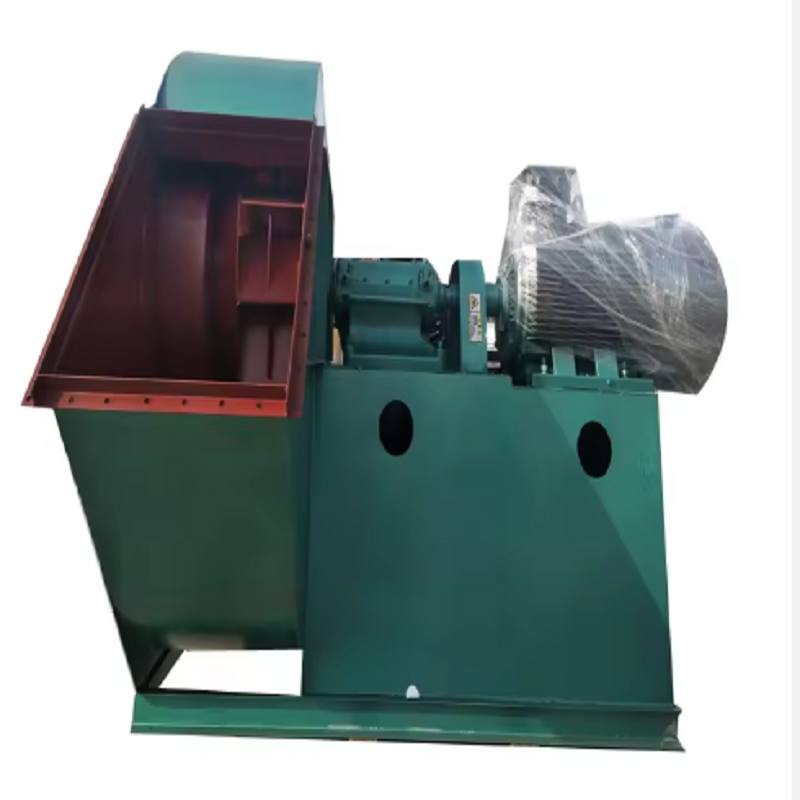
A Type D Centrifugal Fan is an industrial fan designed to move air or gas through a ventilation system by converting rotational energy into airflow pressure. Compared with standard ventilation fans, it is typically engineered for applications that require stable pressure output and reliable performance under demanding conditions.
In industrial facilities, the Type D Centrifugal Fan is commonly used in HVAC systems, manufacturing plants, dust collection systems, boiler ventilation, chemical processing facilities, and large commercial buildings. Its ability to handle higher resistance from duct systems makes it suitable for complex air movement applications.
For example, a metal processing factory in Southeast Asia upgraded its workshop ventilation system by replacing several standard fans with a Type D Centrifugal Fan. After adjusting the airflow capacity and pressure rating according to the duct resistance, the factory achieved more stable ventilation performance and reduced unexpected downtime caused by insufficient air circulation.
One of the most important steps when choosing a fan is understanding the actual system requirements. Many buyers focus only on fan power or motor size, but airflow and pressure are the real performance indicators.
Before selecting a Type D Centrifugal Fan, engineers should evaluate:
Required airflow volume (m³/h or CFM)
Total system pressure loss (Pa)
Duct length and design
Number of bends and filters
Operating temperature
Installation environment
For example, a dust collection project required 25,000 m³/h airflow with a pressure requirement of 1800 Pa. Instead of choosing a larger motor randomly, the engineering team calculated the complete system resistance and selected a properly matched Type D Centrifugal Fan. This prevented unnecessary energy waste caused by oversized equipment.
A correctly calculated fan selection ensures that the equipment operates near its best efficiency point, improving both performance and service life.
Industrial environments are often more complicated than standard ventilation applications. Temperature, humidity, dust concentration, and corrosive gases can directly affect fan performance.
When selecting a Type D Centrifugal Fan, buyers should confirm:
Air temperature range
Material requirements
Dust or particle conditions
Corrosion resistance
Continuous or intermittent operation
For example, in a high-temperature manufacturing plant, a standard fan may experience reduced bearing life and motor overheating. By choosing a specially configured Type D Centrifugal Fan with suitable materials and cooling solutions, the company improved equipment reliability and extended maintenance intervals.
The key is not simply choosing the most powerful fan, but selecting a model designed for the actual working environment.
Energy consumption is one of the largest operating costs of industrial ventilation systems. A fan may run for thousands of hours every year, meaning even small efficiency improvements can create significant savings.
A modern Type D Centrifugal Fan can be optimized through:
High-efficiency motor selection
Improved impeller design
Variable frequency drive (VFD) control
Aerodynamic optimization
A real example comes from an automotive manufacturing facility that operated ventilation fans continuously for production lines. After replacing outdated equipment with a high-efficiency Type D Centrifugal Fan and adding variable speed control, the factory reduced unnecessary airflow during low-load periods and achieved noticeable energy savings.
For companies planning long-term operation, evaluating total ownership cost is often more important than the initial purchase price.
Industrial ventilation systems are rarely identical. A professional manufacturer should provide technical support instead of only selling standard products.
When evaluating a Type D Centrifugal Fan supplier, consider:
Engineering experience
Production capability
Performance testing procedures
Custom design options
After-sales technical support
For example, a food processing company needed a ventilation solution that could handle humid air and strict hygiene requirements. The supplier modified the fan material selection and adjusted the design according to the customer's operating conditions. The customized Type D Centrifugal Fan successfully integrated into the existing ventilation system without major reconstruction.
A manufacturer with strong engineering capabilities can help avoid costly mistakes during installation and operation.
Many ventilation problems are caused by incorrect selection rather than poor product quality. Common mistakes include:
A bigger motor does not always mean better performance. Oversized fans may consume more electricity while operating inefficiently.
The actual airflow depends on the entire duct system, not only the fan specification. Incorrect pressure calculations can result in poor ventilation.
Industrial facilities often increase production capacity. Selecting equipment with reasonable flexibility can reduce future replacement costs.
A properly selected Type D Centrifugal Fan should balance current requirements with future operational needs.
Before placing an order, industrial buyers should confirm the following information:
What airflow capacity is required?
What is the total system pressure?
What type of gas or air will be handled?
What is the operating temperature?
Is corrosion or dust protection required?
Will the fan operate continuously?
Is speed control needed?
Does the supplier provide performance testing data?
This checklist helps engineers select a suitable Type D Centrifugal Fan and avoid performance issues after installation.
Selecting the right industrial fan requires more than comparing product specifications. A successful ventilation solution depends on accurate calculations, proper application analysis, and cooperation with an experienced manufacturer.
A well-designed Type D Centrifugal Fan can provide stable airflow, lower energy consumption, and reliable performance in demanding industrial environments. By considering airflow requirements, pressure conditions, operating environment, and long-term costs, companies can achieve a ventilation system that delivers better efficiency and higher reliability.
For industrial projects, the best choice is always the fan that matches the system—not simply the largest or most powerful model available.