News

How to Choose the Right Boiler Induced Draft Fan for Industrial Applications

2026-07-29 0 Leave me a message

Selecting the correct fan system is one of the most important decisions when designing or upgrading an industrial boiler. A properly sized Boiler Induced Draft Fan can significantly improve combustion efficiency, maintain stable furnace pressure, reduce fuel consumption, and extend the service life of boiler equipment. However, choosing the wrong fan model may lead to insufficient draft, excessive energy consumption, vibration problems, and frequent maintenance issues.

Many industrial users focus only on fan capacity and motor power during purchasing, but a reliable selection process requires a deeper understanding of operating conditions, system resistance, gas characteristics, and future production requirements.

1. Understand the Role of a Boiler Induced Draft Fan

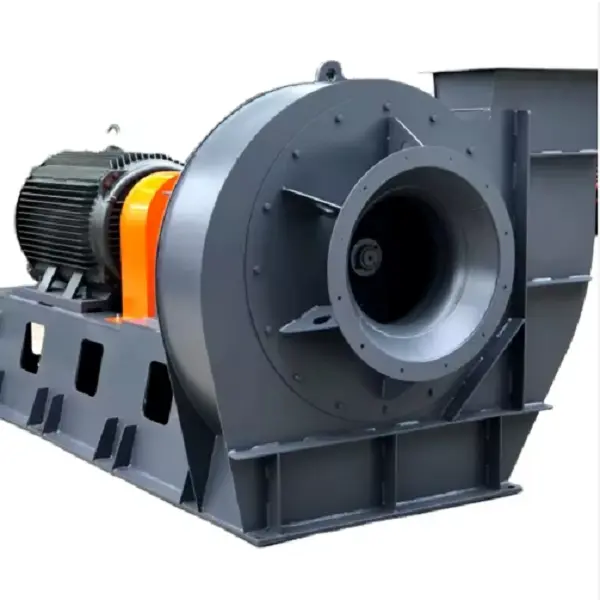
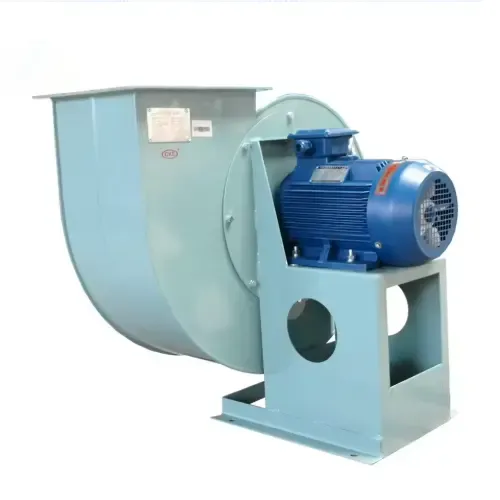
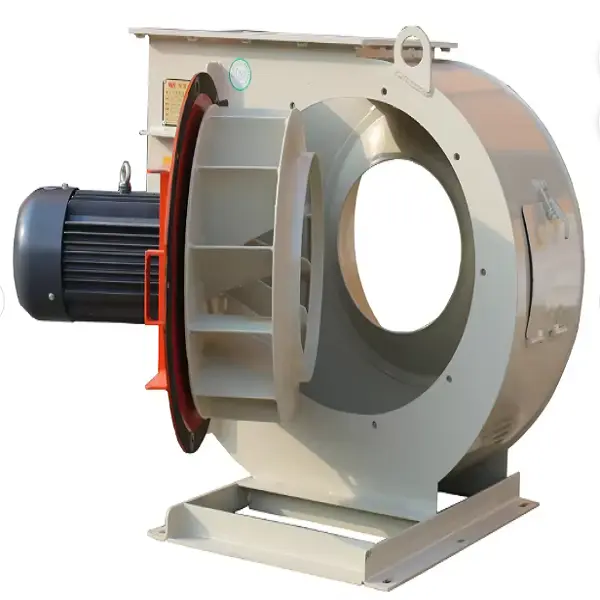
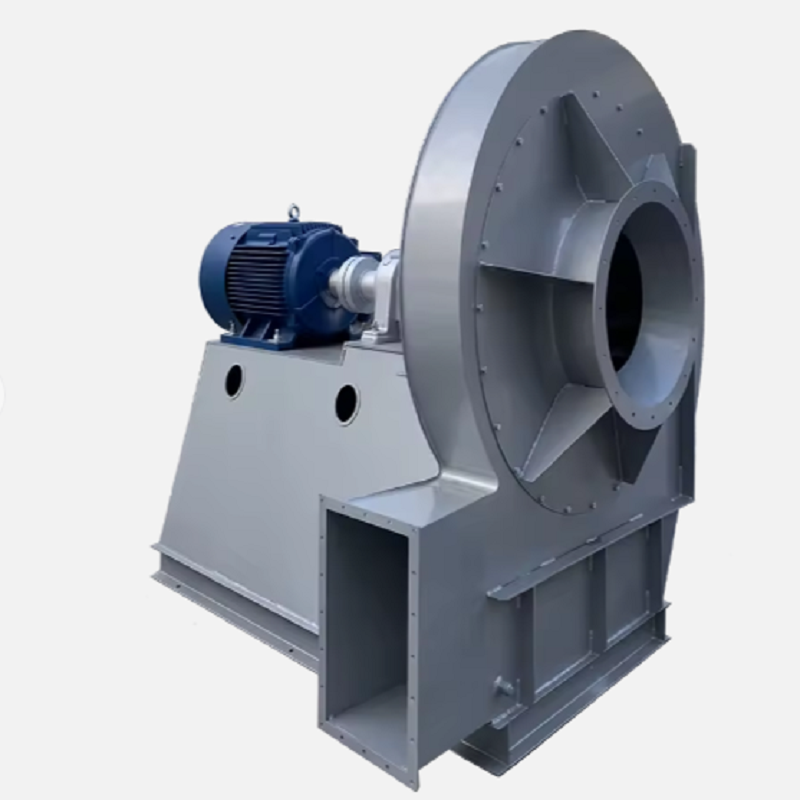
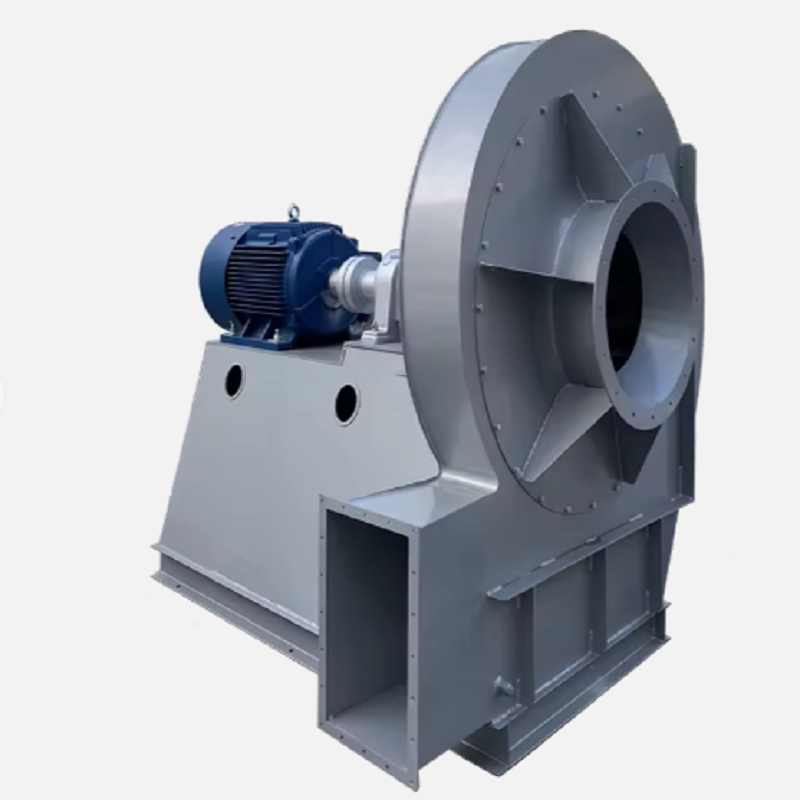
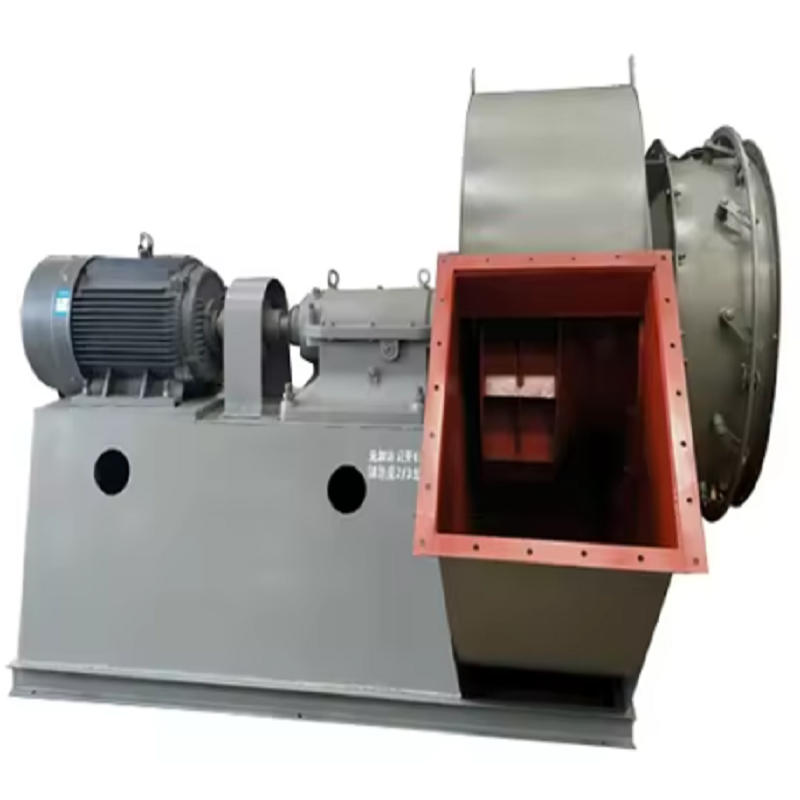
An induced draft fan is installed at the outlet side of a boiler system to remove combustion gases and create negative pressure inside the furnace. Unlike forced draft fans that supply combustion air, a Boiler Induced Draft Fan controls the exhaust flow and ensures that flue gas moves smoothly through dust collectors, economizers, and chimneys.

In industrial applications such as power plants, chemical factories, steel plants, and biomass energy projects, the fan must operate continuously under high-temperature and sometimes corrosive conditions. Therefore, selecting a suitable fan design is critical for achieving stable boiler operation.

Before choosing a Boiler Induced Draft Fan, engineers should analyze several key parameters, including required airflow volume, total pressure, gas temperature, dust concentration, installation environment, and operating hours.

2. Calculate Required Airflow and Pressure

The first step in selecting a fan is determining the actual airflow demand of the boiler system. The airflow requirement depends on boiler capacity, fuel type, combustion efficiency, and excess air ratio.

For example, a 50-ton-per-hour industrial steam boiler burning coal may require a much larger exhaust capacity compared with a natural gas boiler of the same output because coal combustion produces higher flue gas volume and more dust particles.

The pressure requirement is equally important. The Boiler Induced Draft Fan must overcome resistance from:

Boiler furnace and convection sections

Dust collectors or bag filters

Air preheaters

Duct systems

Chimney pressure losses

A common mistake is selecting a fan only according to the boiler output without calculating the complete system resistance. This often results in a fan that cannot maintain stable furnace pressure.

A practical approach is to calculate the required pressure with a safety margin of around 10%–15% to handle future operating changes.

3. Consider Flue Gas Characteristics

Different fuels create different working conditions for an induced draft fan. Coal-fired boilers usually produce high-temperature flue gas containing ash particles, while biomass boilers may generate sticky dust and moisture.

For a biomass power plant project in Southeast Asia, the original exhaust system experienced frequent fan blade wear after only several months of operation. The reason was that the selected fan was designed for clean gas applications rather than high-dust environments.

After replacing it with a specially designed Boiler Induced Draft Fan featuring wear-resistant blades and a reinforced casing structure, the maintenance cycle increased from several months to more than one year.

This case shows that fan material selection and structural design are just as important as airflow capacity.

4. Choose the Correct Fan Design and Material

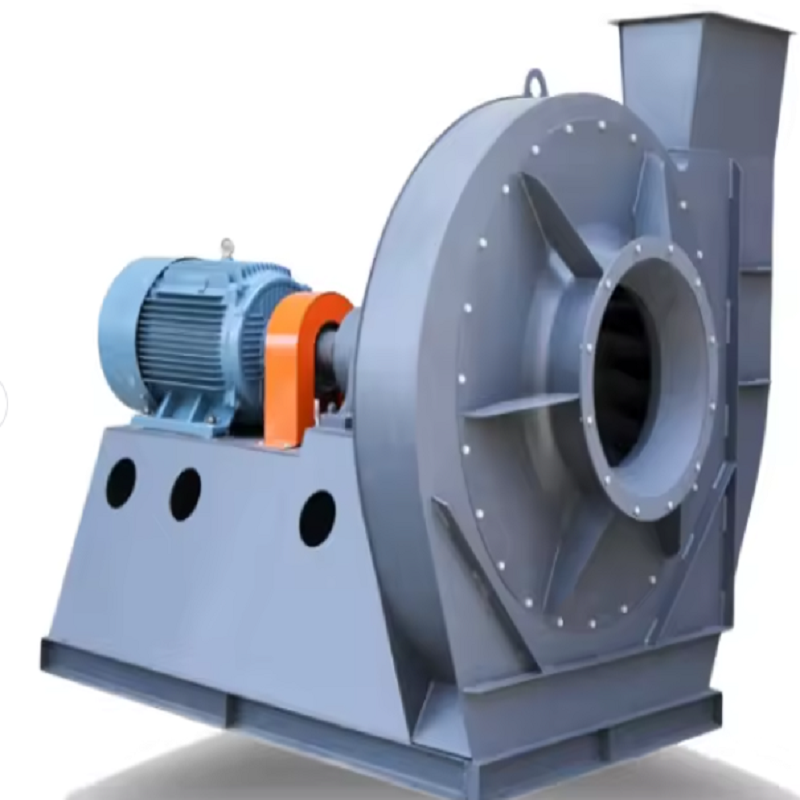
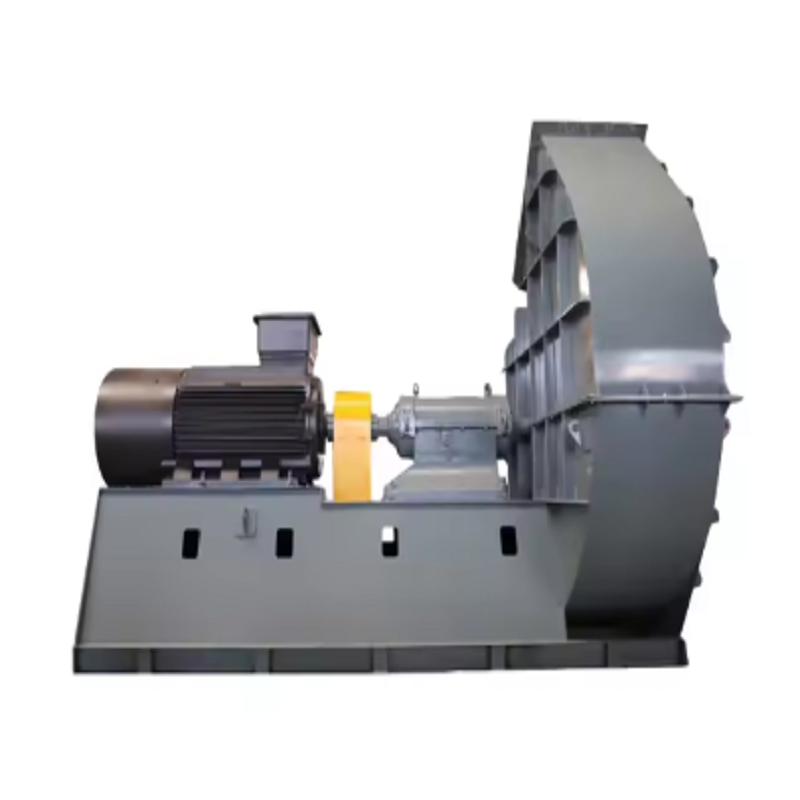
Industrial boiler fans are usually centrifugal fans because they can provide high pressure and stable airflow under demanding conditions.

When selecting a Boiler Induced Draft Fan, several design factors should be evaluated:

Blade Design

Backward-curved blades are commonly used because they offer high efficiency and stable performance. Forward-curved designs may provide higher airflow but usually consume more energy.

Material Selection

For high-temperature applications, manufacturers may use heat-resistant steel or reinforced carbon steel. If the flue gas contains corrosive components, additional surface treatment or special alloys may be required.

Wear Protection

For boilers burning coal, biomass, or waste materials, wear-resistant coatings on blades and inlet areas can greatly reduce downtime.

Choosing the right structure based on actual working conditions can help avoid unnecessary replacement costs.

5. Energy Efficiency and Operating Cost Analysis

Energy consumption is another important factor when selecting a fan. Since industrial boilers often operate 8,000 hours or more annually, even small efficiency improvements can create significant savings.

For example, a manufacturing plant operating a 10 MW boiler system upgraded its old fixed-speed fan to a high-efficiency Boiler Induced Draft Fan equipped with variable frequency drive (VFD) control.

Before upgrading:

Fan motor power: 315 kW

Annual operation time: 7,500 hours

Frequent adjustment losses due to fixed speed operation

After upgrading:

Fan output automatically adjusted according to boiler load

Electricity consumption reduced by approximately 20%

Furnace pressure became more stable

The investment cost was recovered within a few years through reduced electricity expenses.

6. Check Fan Reliability and Maintenance Requirements

A high-quality fan should not only provide good performance when new but also maintain stable operation over many years.

Before purchasing a Boiler Induced Draft Fan, industrial users should check:

Bearing type and service life

Vibration control design

Blade balancing accuracy

Casing strength

Availability of spare parts

Manufacturer technical support

Regular maintenance should include vibration monitoring, bearing lubrication inspection, blade surface checking, and motor condition testing.

Many unexpected failures are caused not by poor fan quality but by improper maintenance practices.

7. Real Project Example: Boiler Fan Upgrade in a Chemical Factory

A chemical manufacturing plant operating a 75-ton-per-hour boiler faced several problems, including unstable furnace pressure, high electricity consumption, and frequent fan vibration.

The original fan had insufficient pressure capacity because additional filtration equipment had been added after installation, increasing system resistance.

The engineering team conducted a complete system analysis and selected a new Boiler Induced Draft Fan with:

Higher pressure capability

Improved aerodynamic blade design

Variable frequency drive control

Reinforced vibration-resistant structure

After installation, the boiler system achieved:

More stable negative furnace pressure

Reduced fan vibration levels

Lower annual electricity consumption

Longer maintenance intervals

This project demonstrates that fan selection should always consider the entire boiler system rather than replacing equipment based only on previous specifications.

8. Final Checklist Before Purchasing a Boiler Induced Draft Fan

Before making a final decision, industrial buyers should confirm the following points:

Have the required airflow and pressure been accurately calculated?

Is the fan suitable for the fuel type and flue gas conditions?

Can the material withstand temperature and corrosion requirements?

Is the motor power optimized for long-term operation?

Does the manufacturer provide technical drawings and performance data?

Are spare parts and after-sales services available?

A carefully selected Boiler Induced Draft Fan can improve boiler efficiency, reduce operating costs, and provide reliable performance throughout the equipment lifecycle.For industrial boiler projects, the best solution is not always the largest fan or the most powerful motor. The right choice is the fan that matches the actual operating conditions, provides stable airflow, and delivers long-term economic benefits.

Related News
Leave me a message
X
We use cookies to offer you a better browsing experience, analyze site traffic and personalize content. By using this site, you agree to our use of cookies.Privacy Policy
RejectAccept