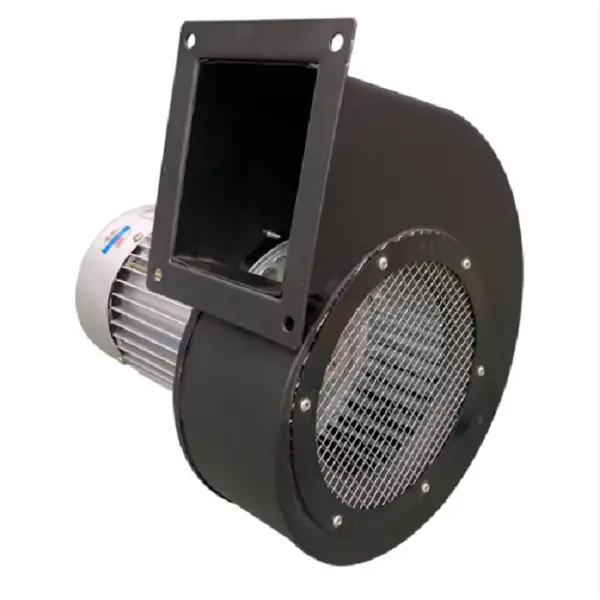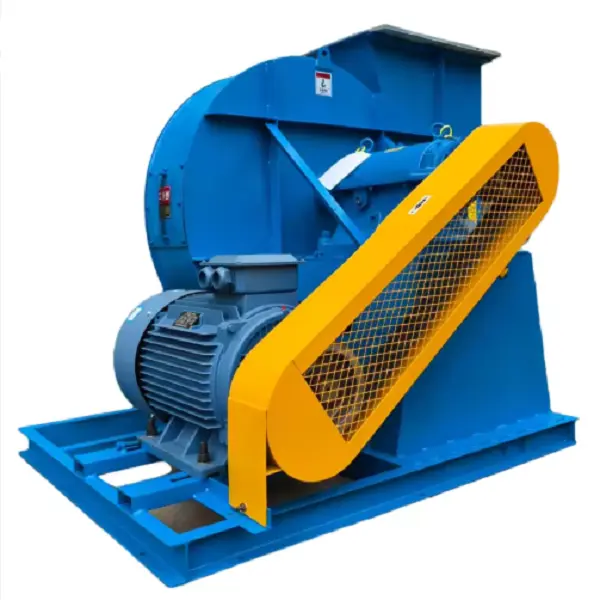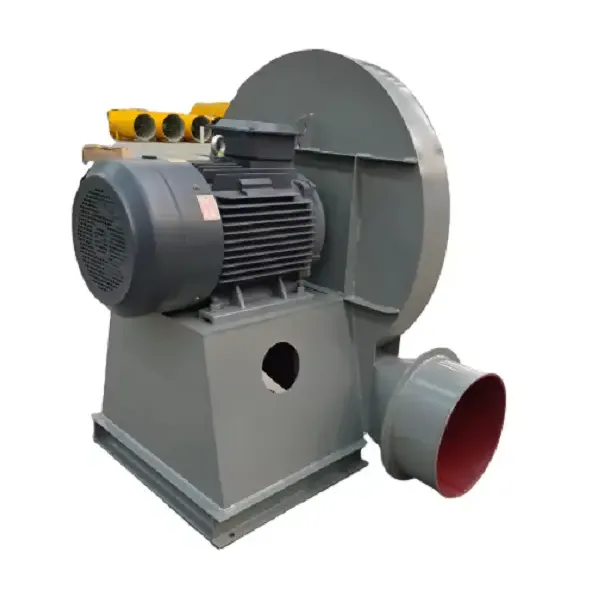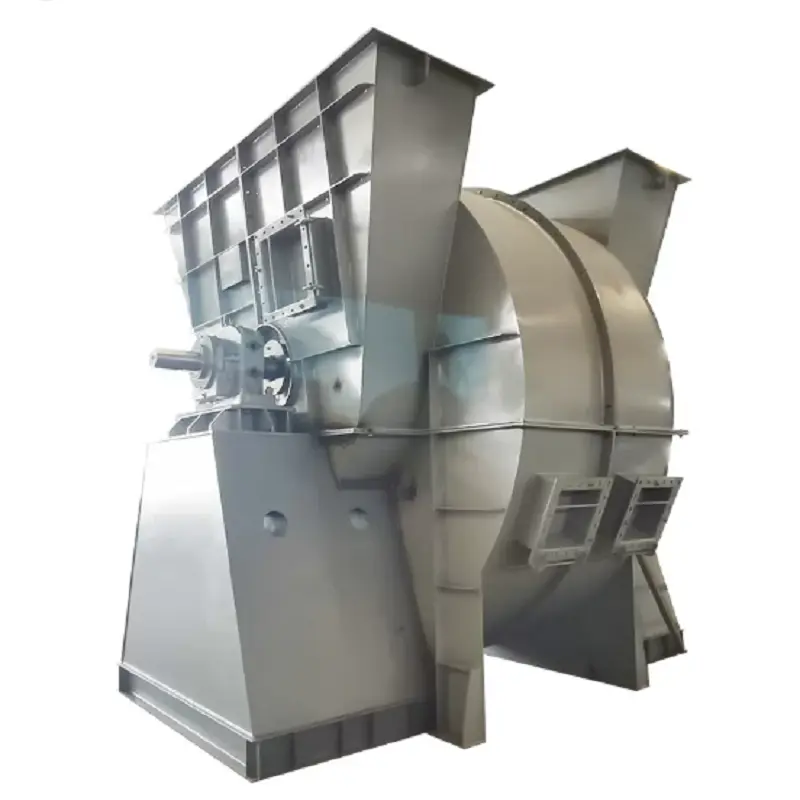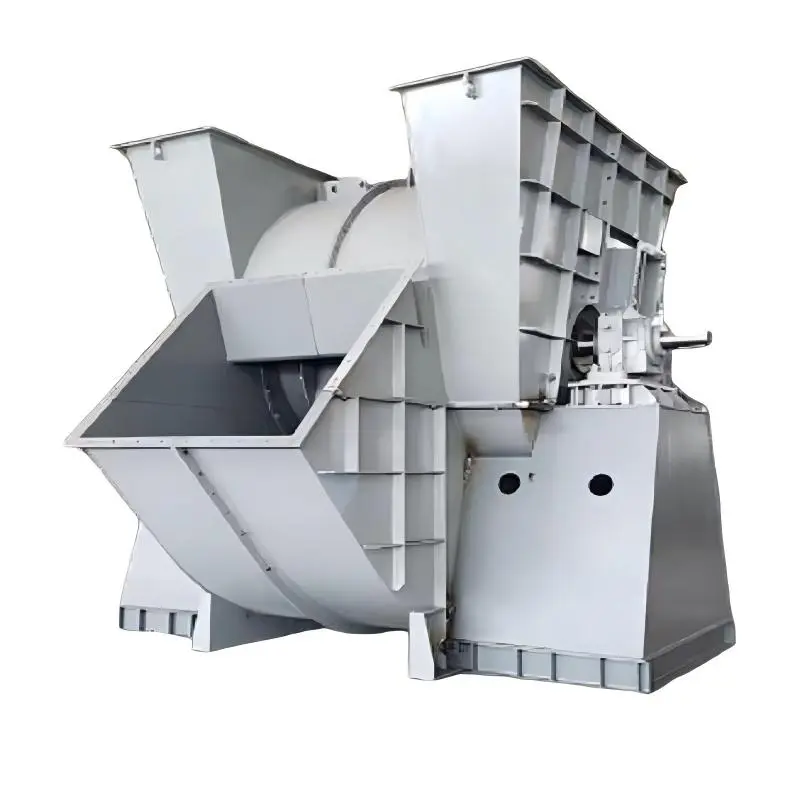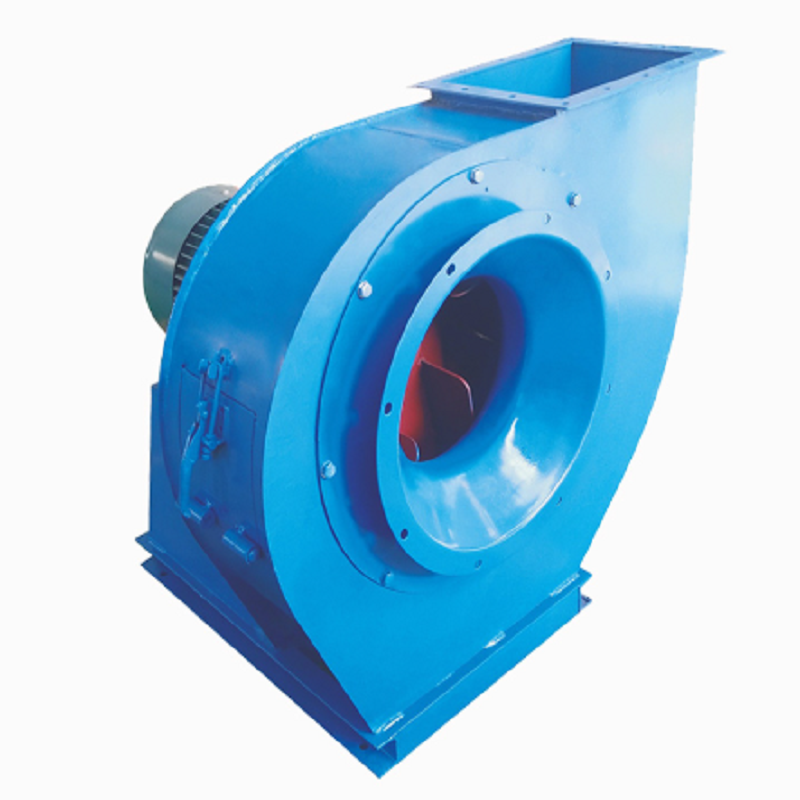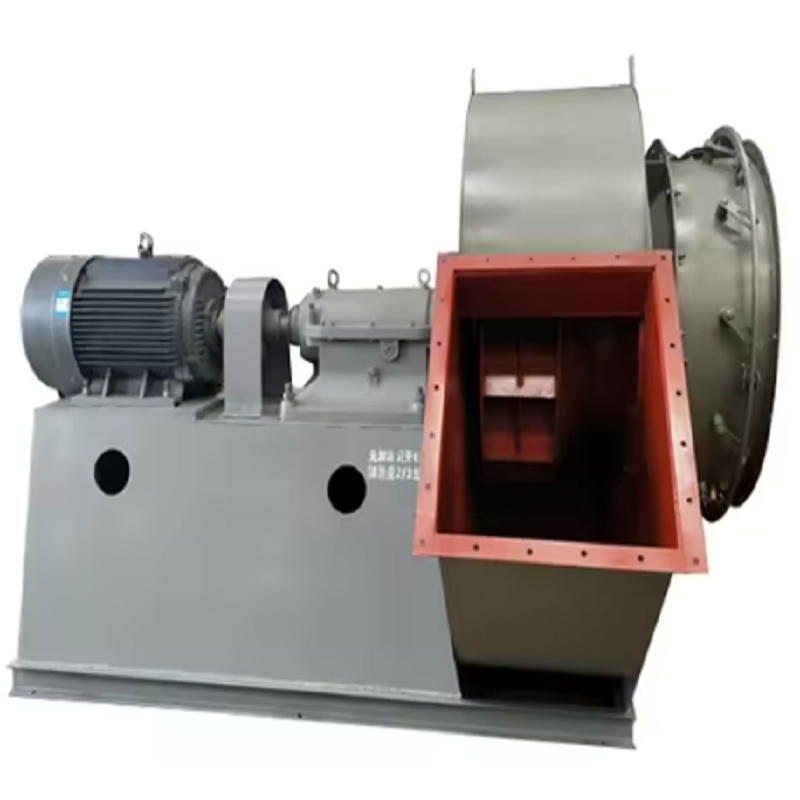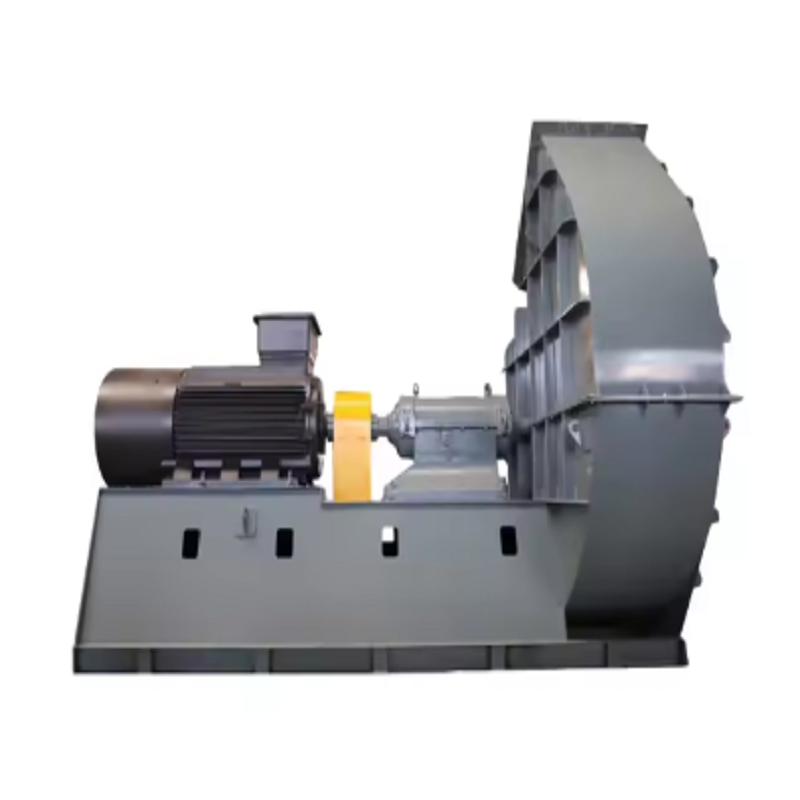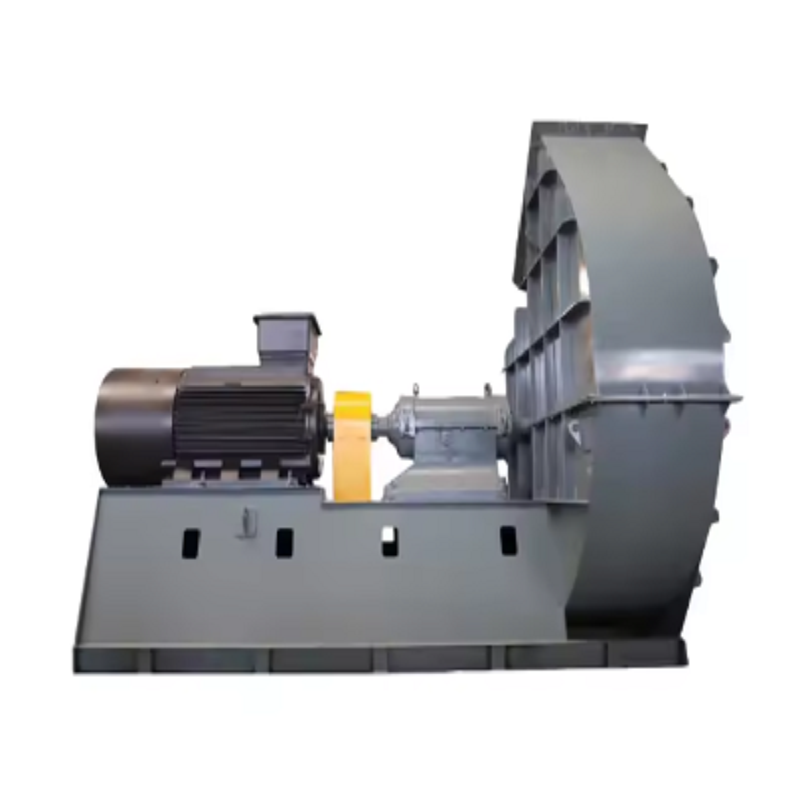
Heavy industries such as steel manufacturing, cement production, chemical processing, and power generation require reliable air movement systems to maintain production efficiency, equipment safety, and environmental compliance. Among various ventilation solutions, the Centrifugal Fan has become one of the most widely used air handling devices because of its ability to provide stable airflow, high pressure performance, and continuous operation under harsh conditions.
Unlike standard ventilation fans, industrial Centrifugal Fan systems are designed to handle complex operating environments, including high temperatures, dust-laden gases, corrosive substances, and high-pressure applications. Proper selection and maintenance of centrifugal fans can significantly improve energy efficiency, reduce downtime, and extend equipment service life.
The steel industry operates under extreme conditions where air control plays a critical role in production processes. During steel manufacturing, large amounts of hot gases, smoke, and dust are generated from furnaces, converters, and material handling systems. A properly designed Centrifugal Fan is essential for exhaust, cooling, combustion air supply, and dust collection applications.
For example, in an electric arc furnace (EAF) steel plant, a high-temperature centrifugal fan is commonly installed in the fume extraction system. The fan must continuously transport gas containing fine metal particles while operating at temperatures that may exceed 300°C. In this application, engineers typically select wear-resistant impellers, heat-resistant materials, and reinforced bearings to improve reliability.
A practical improvement project in a steel plant showed that replacing an outdated fan with a high-efficiency Centrifugal Fan reduced operating power consumption by approximately 15% while maintaining the required airflow volume. The improvement was achieved by optimizing the impeller design and matching the fan performance curve with the actual system resistance.
Cement production involves multiple processes that depend on efficient air circulation, including raw material grinding, rotary kilns, clinker cooling, and dust filtration. In these processes, a Centrifugal Fan provides the necessary airflow to transport materials, remove hot gases, and maintain stable combustion conditions.
One of the most important applications is the kiln induced draft system. The centrifugal fan creates negative pressure inside the kiln, allowing combustion gases to flow properly through the system. If the fan capacity is insufficient, it may cause unstable kiln operation, increased fuel consumption, and reduced production efficiency.
For a cement plant upgrading project, engineers analyzed the existing ventilation system and found excessive pressure losses caused by outdated duct design. After installing a new high-pressure Centrifugal Fan and modifying the duct layout, the system pressure requirement decreased, resulting in lower motor load and improved overall efficiency.
For cement applications, fan materials must also be carefully considered because abrasive dust can quickly damage standard components. Common solutions include reinforced steel impellers, wear plates, and optimized blade designs to extend operating life.
Chemical plants require precise airflow control because many production processes involve hazardous gases, corrosive chemicals, and strict safety requirements. A reliable Centrifugal Fan is often used for exhaust ventilation, gas transportation, scrubber systems, and chemical fume removal.
In chemical applications, material selection is one of the most important factors. Depending on the gas composition, manufacturers may use stainless steel, fiberglass reinforced plastic (FRP), or special corrosion-resistant coatings to prevent chemical damage.
For instance, in a chemical processing facility handling corrosive gases, a standard carbon steel fan experienced frequent corrosion failures. After replacing it with a corrosion-resistant centrifugal fan equipped with stainless steel components and protective coating, the maintenance interval increased significantly and unexpected shutdowns were reduced.
Another important consideration is explosion protection. When transporting combustible gases or chemical vapors, centrifugal fans may require special designs such as spark-resistant construction, explosion-proof motors, and grounding systems to ensure safe operation.
Power generation facilities rely heavily on air handling equipment to support boiler operation, flue gas treatment, and cooling systems. A high-performance Centrifugal Fan is a key component in applications such as forced draft (FD) fans, induced draft (ID) fans, and primary air systems.
In coal-fired power plants, induced draft centrifugal fans remove combustion gases from the boiler and maintain proper furnace pressure. Because these fans operate continuously under high temperatures and dusty conditions, reliability is a major design requirement.
A power plant maintenance team discovered that frequent vibration problems were caused by an unbalanced impeller and improper alignment. After performing dynamic balancing, shaft alignment correction, and bearing replacement, the centrifugal fan vibration level was reduced significantly, improving equipment availability.
Modern power plants are also focusing on energy-saving upgrades. Variable frequency drives (VFDs) are increasingly used with centrifugal fans to adjust airflow according to real-time operating conditions, reducing unnecessary energy consumption during partial load operation.
Choosing the correct Centrifugal Fan requires more than simply selecting airflow capacity. Engineers should evaluate several factors before installation:
The fan must match the required volume flow rate and system pressure. Oversized fans may waste energy, while undersized fans may fail to achieve process requirements.
High-temperature applications require suitable materials, cooling systems, and expansion considerations to prevent deformation and mechanical failure.
Dust concentration, moisture content, corrosiveness, and chemical composition directly influence fan design and material selection.
Easy access for inspection, cleaning, lubrication, and component replacement helps reduce long-term operating costs.
Even a well-designed Centrifugal Fan requires regular maintenance to maintain efficiency. Common maintenance practices include:
Checking impeller balance regularly to prevent vibration problems.
Inspecting bearings and lubrication conditions.
Cleaning dust accumulation from blades.
Monitoring motor current and operating temperature.
Checking duct system resistance for unexpected pressure changes.
For industrial plants operating 24/7, preventive maintenance programs are often more cost-effective than emergency repairs. Early detection of vibration, abnormal noise, or reduced airflow can prevent major equipment failures.
From steel production and cement manufacturing to chemical processing and power generation, the Centrifugal Fan plays a critical role in industrial air management systems. Its ability to handle high pressure, extreme temperatures, and demanding operating environments makes it an essential component for modern industrial facilities.
With proper engineering design, material selection, and preventive maintenance, centrifugal fans can deliver reliable performance, reduce energy consumption, and support safer industrial operations. As industries continue to focus on efficiency and sustainability, advanced centrifugal fan technology will remain an important solution for future industrial ventilation system.