News

Centrifugal Fan Market Expands as Industries Focus on Sustainable Ventilation Solutions

2026-08-10 0 Leave me a message

Growing Demand for Energy-Efficient Industrial Ventilation Equipment

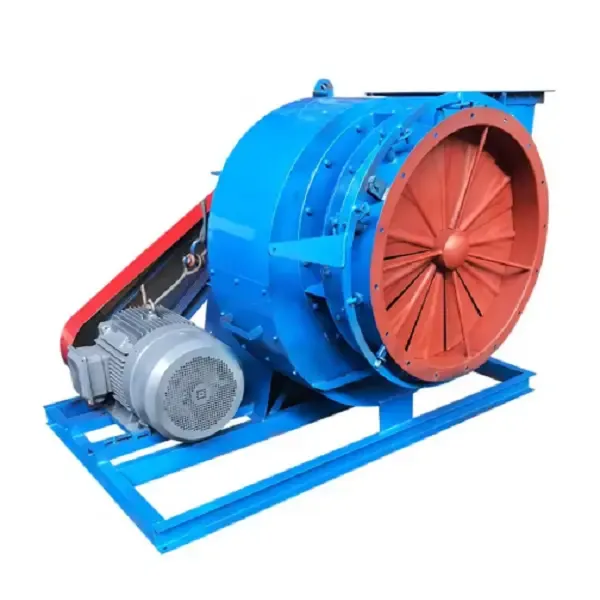
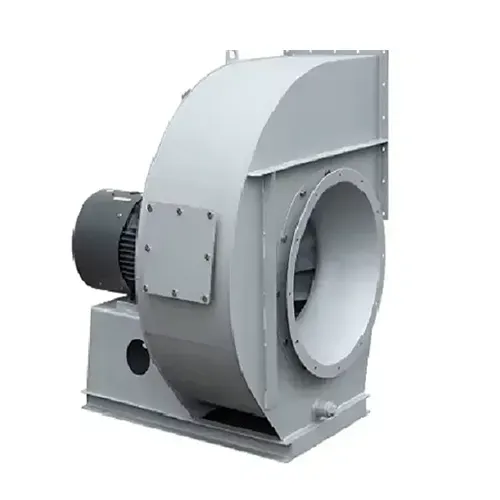
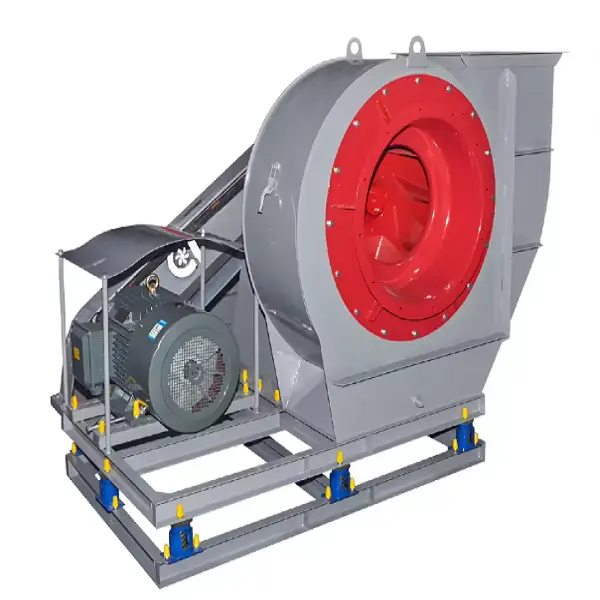
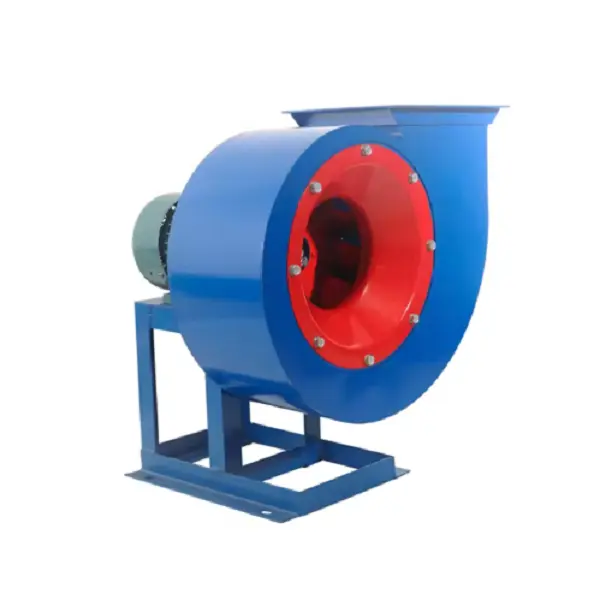
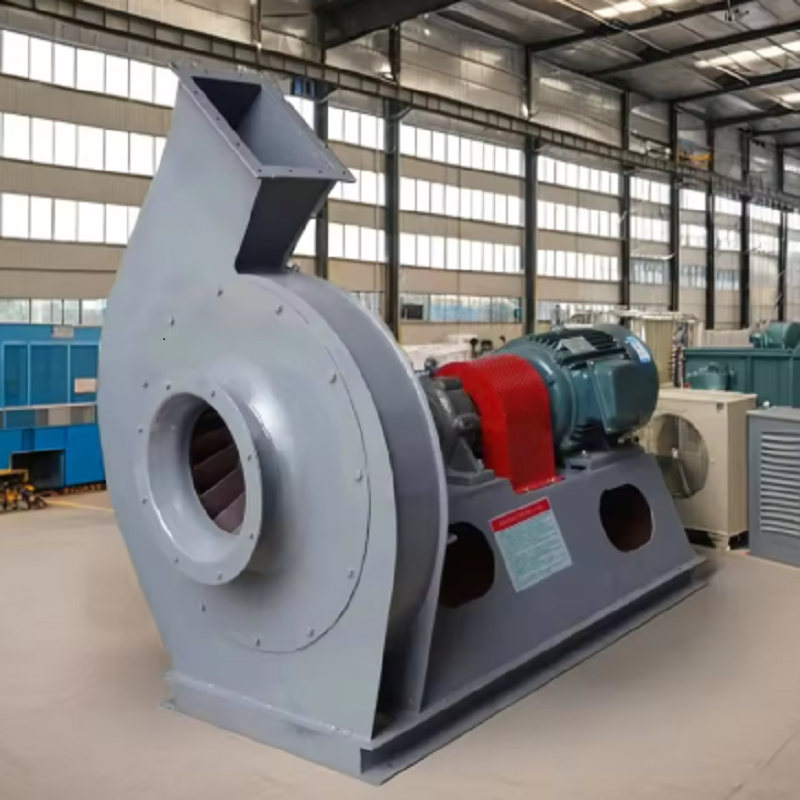
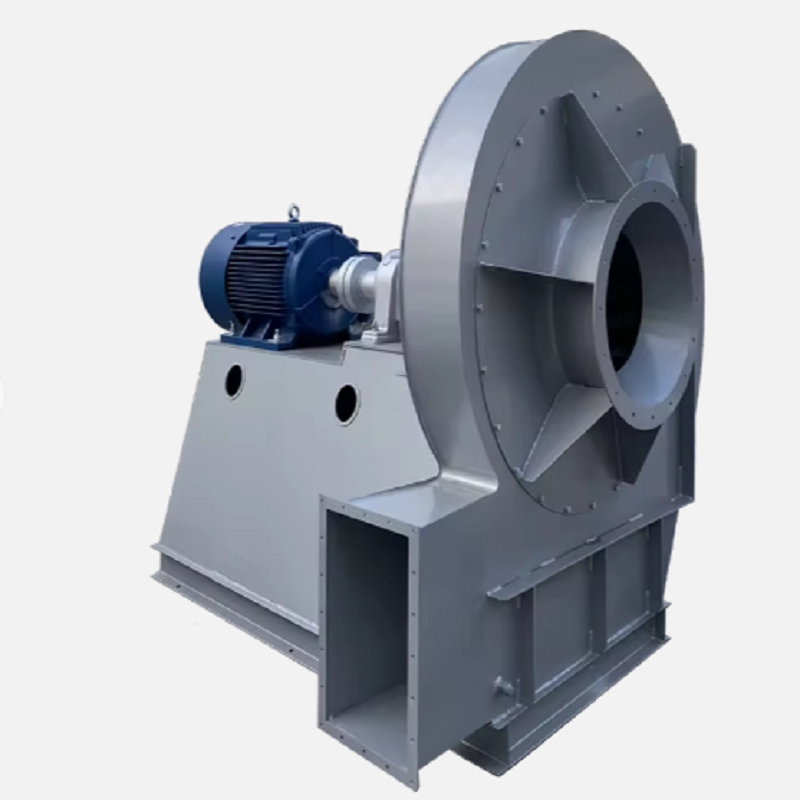
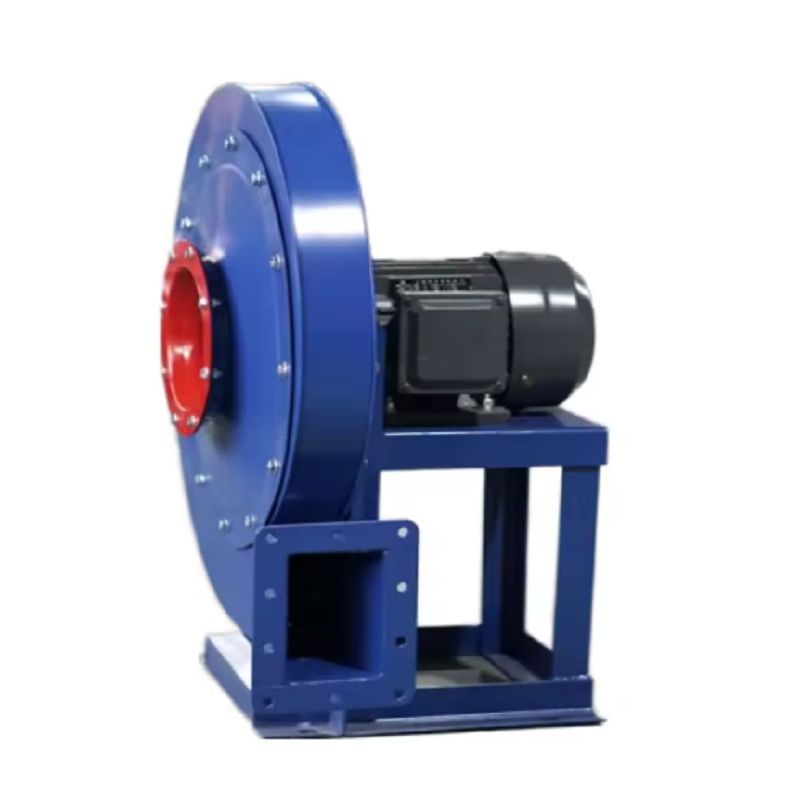
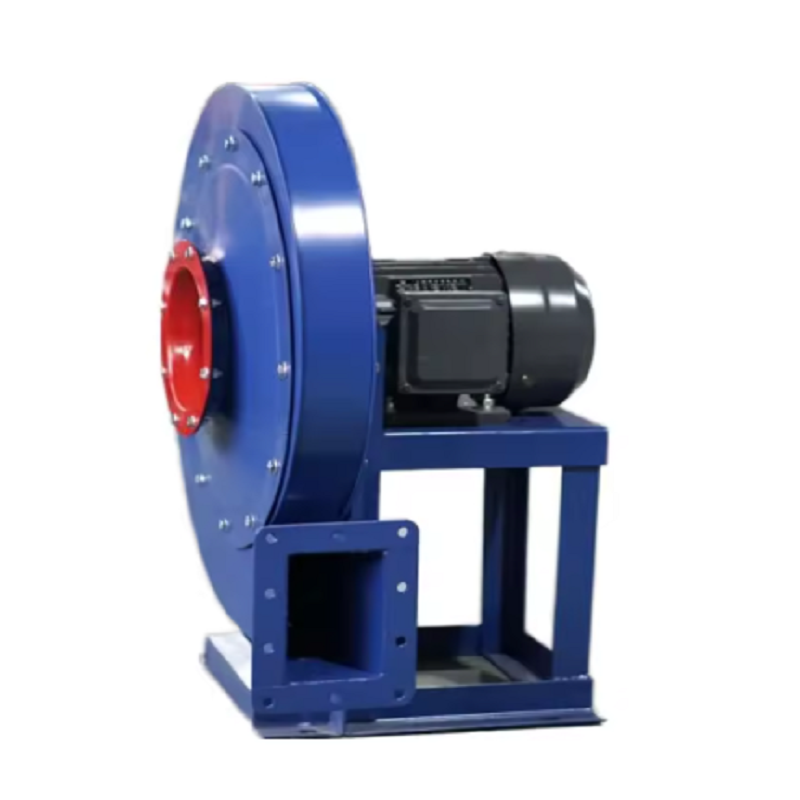
With the continuous development of global manufacturing industries, companies are paying more attention to energy efficiency, environmental protection, and production reliability. The demand for advanced ventilation systems is increasing rapidly, and the centrifugal fan has become a critical component in industrial air handling applications due to its stable airflow performance, high pressure capability, and flexible design options.

Industries including steel production, cement manufacturing, chemical processing, power generation, and waste treatment are upgrading their ventilation systems to meet stricter environmental standards. Compared with traditional ventilation equipment, a modern centrifugal fan can provide better airflow control while reducing unnecessary energy consumption during long-term operation.

The market growth of industrial fans is not only driven by new factory construction but also by the replacement of aging equipment. Many plants are discovering that optimizing their existing ventilation systems can significantly reduce operating costs and improve production stability.

Why Centrifugal Fans Are Becoming a Preferred Solution for Industrial Applications

A major reason behind the increasing adoption of the centrifugal fan is its ability to handle complex operating conditions. Industrial processes often require air movement through long pipelines, dust collectors, filters, heat exchangers, or combustion systems. These applications create high resistance, which requires equipment capable of maintaining sufficient pressure.

For example, a steel processing plant previously used an undersized exhaust system that caused poor furnace ventilation and unstable combustion conditions. Engineers analyzed the system resistance and replaced the existing unit with a customized centrifugal fan designed for higher static pressure operation.

The new system parameters were:

Air volume: 95,000 m³/h

Static pressure: 6,000 Pa

Operating temperature: 250°C

Medium: Furnace exhaust gas containing dust particles

Operation time: 24 hours/day

After installation, the plant achieved more stable furnace pressure control, while the motor power consumption was reduced because the new fan matched the actual system requirements instead of operating inefficiently.

This case shows that correct selection is more important than simply choosing a larger capacity model. Proper airflow calculation, pressure analysis, and operating condition evaluation are essential before selecting any industrial ventilation equipment.

Technology Innovation Improves Centrifugal Fan Efficiency

Modern centrifugal fan manufacturers are focusing on aerodynamic optimization, intelligent control systems, and material improvements to meet the requirements of sustainable industrial production.

One important improvement is the optimization of impeller design. The impeller directly affects airflow efficiency, vibration level, and power consumption. Engineers now use CFD simulation technology to analyze airflow movement inside the fan housing and adjust blade angles to reduce turbulence and energy loss.

Another practical improvement is the application of variable frequency drives (VFD). Many industrial processes do not require constant airflow throughout the entire production cycle. By adjusting fan speed according to real-time demand, a centrifugal fan equipped with VFD control can significantly reduce electricity consumption.

For example, in a chemical production facility, the exhaust requirement changed frequently according to different production stages. After installing a variable-speed centrifugal fan, the factory reduced unnecessary full-load operation and improved overall system efficiency.

Material Selection Plays a Key Role in Long-Term Reliability

Industrial environments can be extremely challenging. High temperatures, corrosive gases, and abrasive dust can quickly damage equipment if the wrong materials are selected. Therefore, choosing suitable materials is an important step in designing a reliable centrifugal fan.

Different applications require different material solutions:

Carbon steel: Suitable for normal temperature ventilation applications

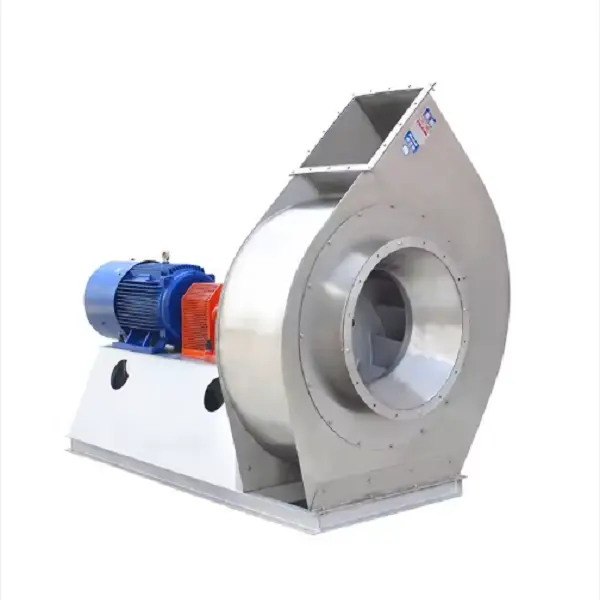
Stainless steel: Used for corrosive environments

SS310 or heat-resistant alloys: Suitable for high-temperature gas handling

Wear-resistant steel plates: Recommended for high dust concentration applications

A glass manufacturing plant provides a practical example. The production line required continuous exhaust of high-temperature gases at approximately 400°C. The original equipment experienced frequent blade deformation due to unsuitable material selection.

After replacing the unit with a high-temperature centrifugal fan featuring heat-resistant materials and reinforced impeller construction, the maintenance cycle increased significantly and unexpected shutdowns were reduced.

Sustainable Manufacturing Drives Future Centrifugal Fan Development

As industries continue moving toward low-carbon production and energy-saving operations, the role of the centrifugal fan will continue to expand. Companies are no longer focusing only on initial equipment costs but are evaluating total lifecycle value, including energy consumption, maintenance requirements, and operational reliability.

Future industrial ventilation solutions will focus on:

Higher aerodynamic efficiency

Lower operating noise

Smart monitoring systems

Predictive maintenance technology

Customized designs for special working conditions

For example, smart sensors can now monitor vibration, temperature, and motor performance in real time. This allows operators to identify potential problems before equipment failure occurs, reducing downtime and improving production safety.

Conclusion

The growing focus on sustainable industrial development is accelerating the demand for efficient ventilation solutions. As a reliable air-handling device, the centrifugal fan plays an important role in improving production efficiency, reducing energy consumption, and maintaining stable industrial processes.

From furnace exhaust systems to dust collection applications, the right centrifugal fan design can provide long-term benefits when selected according to actual operating conditions. Through optimized engineering, advanced materials, and intelligent control technologies, industrial ventilation systems are becoming more efficient, reliable, and environmentally friendly.

For manufacturers and industrial operators, investing in a properly designed centrifugal solution is not only an equipment upgrade but also a long-term strategy for reducing operating costs and achieving sustainable production goals.

Related News
Leave me a message
X
We use cookies to offer you a better browsing experience, analyze site traffic and personalize content. By using this site, you agree to our use of cookies. Privacy Policy
RejectAccept