News

Industrial Fan Applications in Power Plants: How Centrifugal Fan Systems Improve Boiler and Flue Gas Performance

2026-08-12 0 Leave me a message

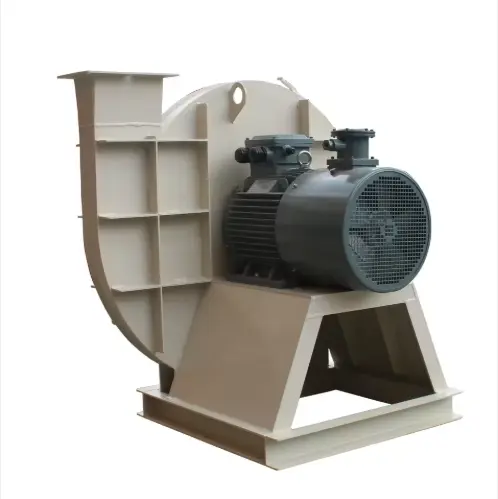
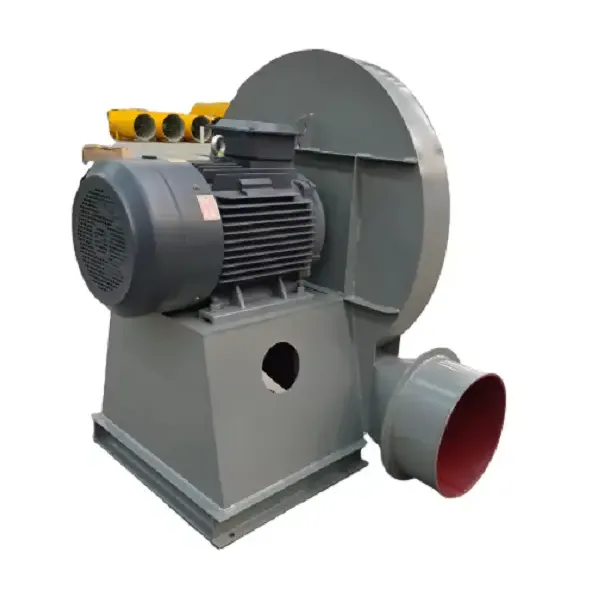
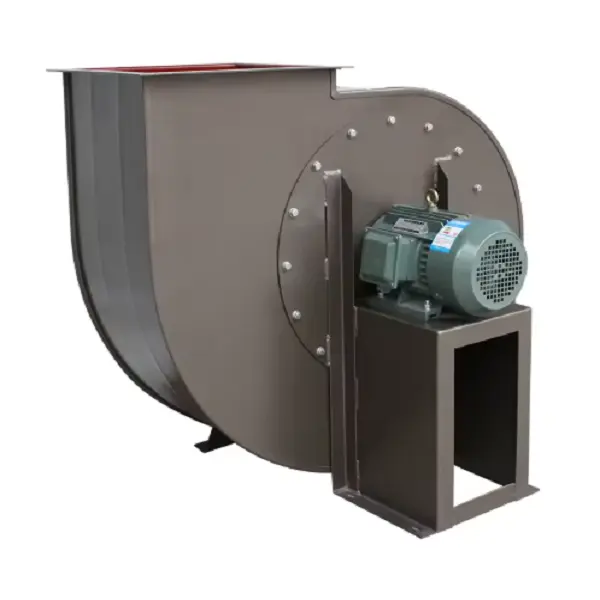
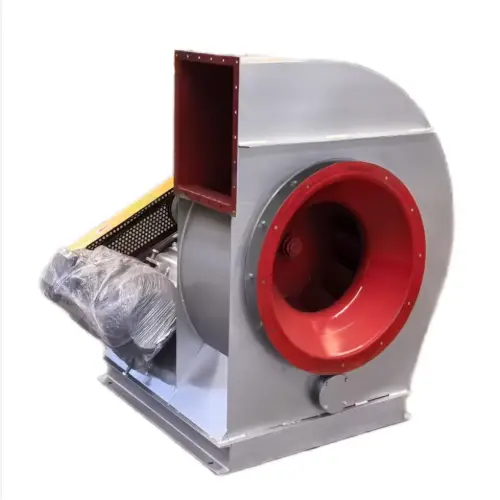
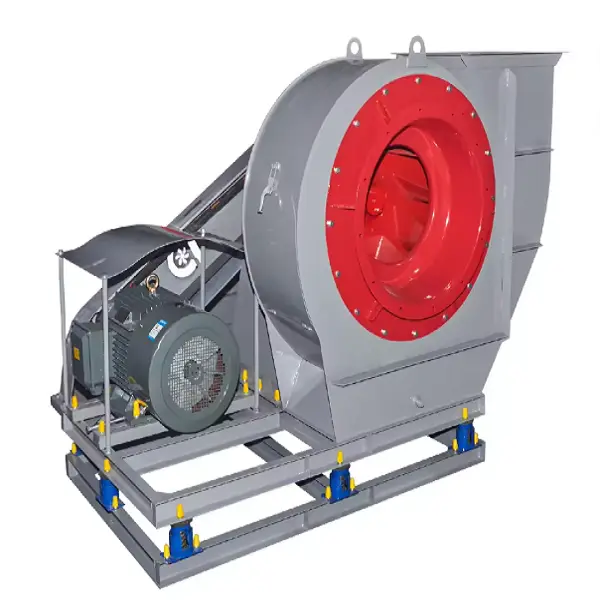
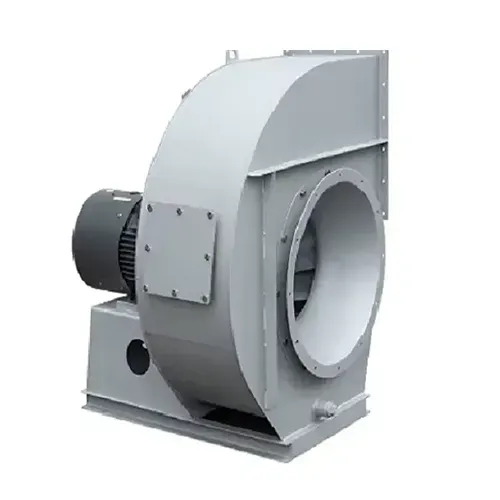
Power plants rely on stable airflow systems to maintain combustion efficiency, control emissions, and ensure safe operation. Among various air movement solutions, centrifugal fan systems play a critical role in boiler combustion, flue gas extraction, and environmental protection equipment. From coal-fired power stations to biomass and waste-to-energy plants, properly designed centrifugal fan equipment helps maintain the required air pressure, airflow volume, and operational stability under demanding conditions.

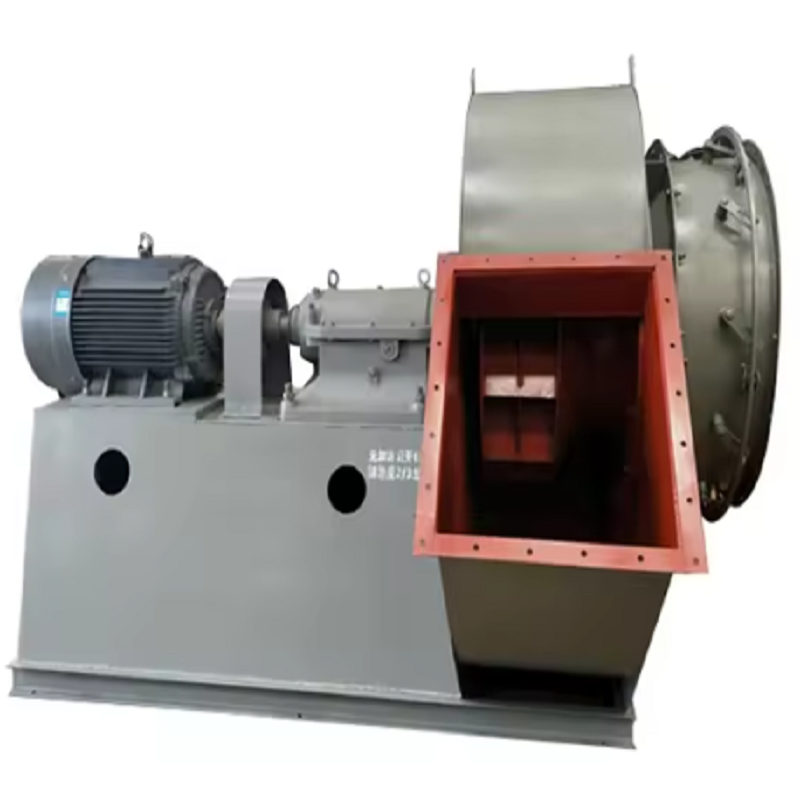
In modern power generation facilities, airflow performance directly affects fuel efficiency and equipment reliability. A poorly selected fan may lead to insufficient combustion air, unstable furnace pressure, or increased auxiliary power consumption. Engineers often choose a centrifugal fan because of its ability to handle high-pressure requirements, complex duct systems, and continuous operation in harsh industrial environments.Role of Centrifugal Fan Systems in Boiler Air SupplyThe boiler combustion process requires precise control of primary air, secondary air, and induced draft airflow. Forced draft (FD) fans supply combustion air into the furnace, while induced draft (ID) fans remove flue gases after combustion. In both applications, a centrifugal fan provides reliable airflow control and maintains the pressure balance required for efficient combustion.

For example, a 300 MW coal-fired power plant experienced unstable furnace pressure caused by aging ventilation equipment. After replacing outdated fans with high-efficiency centrifugal fan units, the plant improved airflow regulation and reduced fan power consumption by approximately 10%. The upgrade included optimized impeller design, variable frequency drive control, and improved sealing performance to reduce air leakage.

During installation, engineers must carefully calculate system resistance, required airflow volume, gas temperature, and operating pressure before selecting a centrifugal fan model. Oversized fans may waste electricity, while undersized equipment can limit boiler output and create safety risks.Centrifugal Fan Applications in Flue Gas Desulfurization SystemsFlue gas treatment is one of the most important processes in modern power plants. After combustion, exhaust gases pass through dust collectors, desulfurization units, and emission control systems before being released. These systems require stable gas transportation, making the centrifugal fan an essential component in maintaining continuous operation.

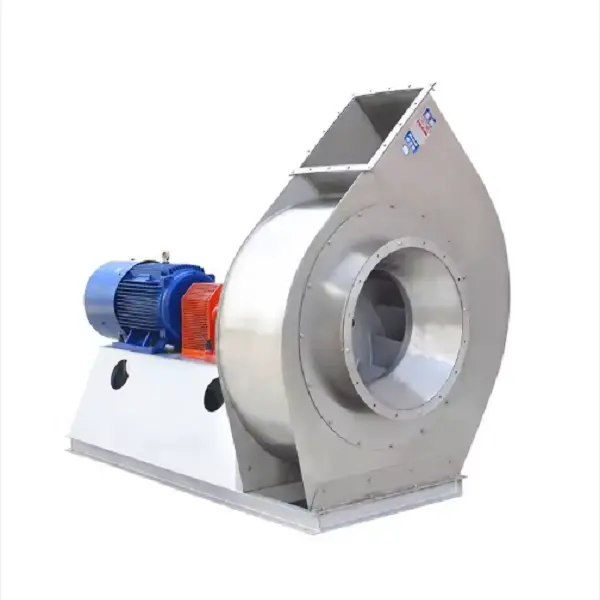
In wet flue gas desulfurization (FGD) systems, fans must overcome pressure losses caused by scrubbers, filters, and long-distance duct networks. A specially designed centrifugal fan with corrosion-resistant materials and high-pressure capability can operate effectively in environments containing moisture, sulfur compounds, and abrasive particles.

A practical example comes from a biomass power plant where excessive vibration occurred in the exhaust system. Inspection showed that dust accumulation on the impeller caused imbalance and reduced airflow performance. After cleaning the impeller, improving filtration, and adjusting the fan operating point, the centrifugal fan returned to stable operation and maintenance intervals were extended.Improving Energy Efficiency Through Advanced Fan DesignEnergy consumption is a major concern in power plant operation because auxiliary equipment can account for a significant portion of total electricity usage. Since fans often operate continuously, improving centrifugal fan efficiency can create substantial economic benefits over the equipment lifetime.

Modern fan upgrades typically focus on aerodynamic impeller design, optimized blade angles, variable speed control, and reduced internal leakage. For example, replacing a fixed-speed fan with a variable frequency controlled centrifugal fan allows operators to adjust airflow according to boiler load conditions instead of running equipment at maximum capacity.

A power generation facility operating under fluctuating electricity demand installed variable-speed centrifugal fan systems for its boiler exhaust process. The adjustment reduced unnecessary airflow output during low-load operation and achieved measurable energy savings while maintaining required furnace pressure.Maintenance Practices for Reliable Centrifugal Fan OperationRegular maintenance is essential for preventing unexpected downtime in power plants. A centrifugal fan operating under high temperature and dusty conditions requires routine inspection of the impeller, bearings, shaft alignment, vibration levels, and lubrication system.

Common problems include excessive vibration, reduced airflow, abnormal noise, and increased motor current. These issues are often caused by impeller fouling, bearing wear, improper alignment, or changes in system resistance. Engineers should monitor operating data and compare actual performance with the original design parameters.

For example, during a scheduled inspection at a thermal power plant, technicians discovered cracks developing near the impeller weld joints of an exhaust fan. Early detection prevented a potential shutdown and allowed the damaged components to be repaired during planned maintenance. This case demonstrates why continuous monitoring of centrifugal fan equipment is important for long-term reliability.Future Development of Centrifugal Fan Technology in Power GenerationAs power plants move toward higher efficiency and stricter emission standards, fan technology continues to evolve. Digital monitoring systems, intelligent control platforms, and energy-saving designs are becoming common features in advanced airflow equipment.

Future centrifugal fan solutions will focus on improving efficiency, reducing operating costs, and adapting to new energy systems such as biomass power generation, waste-to-energy plants, and hybrid industrial facilities. Manufacturers are also developing specialized materials and coatings to improve fan durability in corrosive and high-temperature environments.

For power plant operators, selecting the right centrifugal fan is not only an equipment decision but also a long-term investment in operational stability, energy efficiency, and environmental compliance. Proper design, installation, and maintenance can significantly improve boiler performance and reduce the total cost of ownership.

Related News
Leave me a message
X
We use cookies to offer you a better browsing experience, analyze site traffic and personalize content. By using this site, you agree to our use of cookies.Privacy Policy
RejectAccept