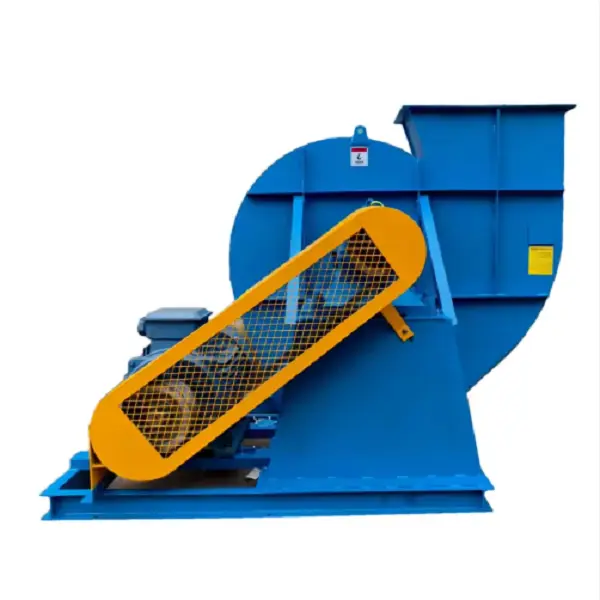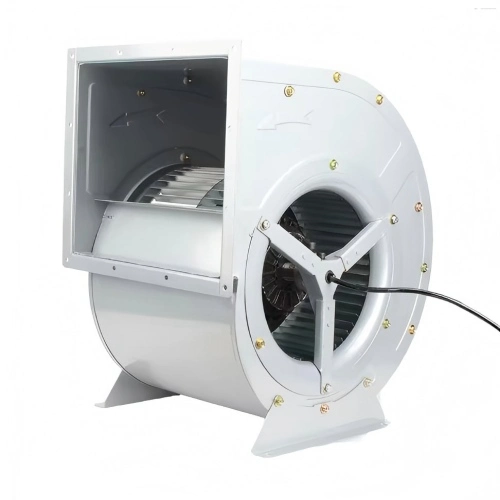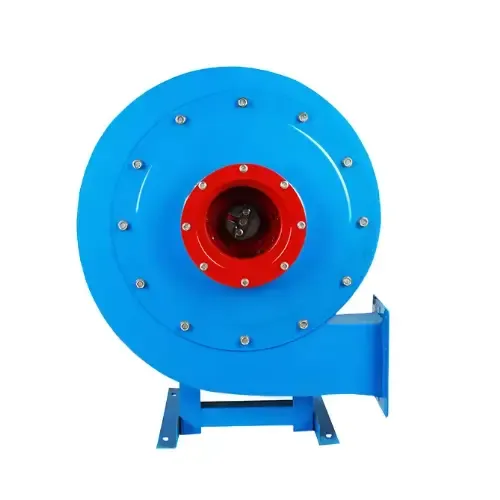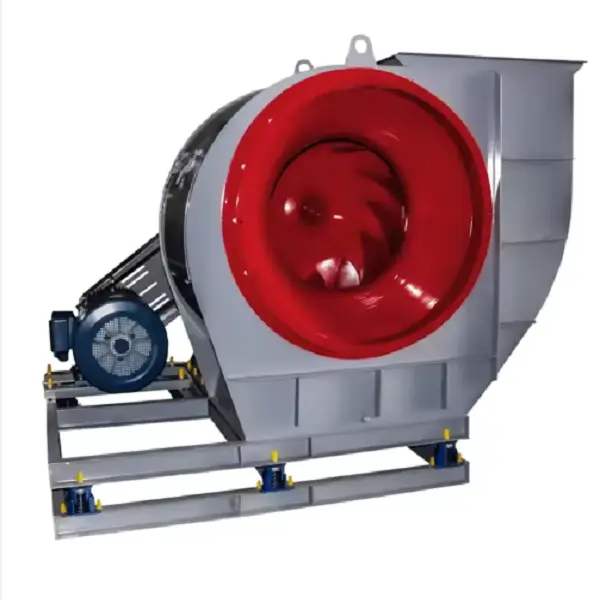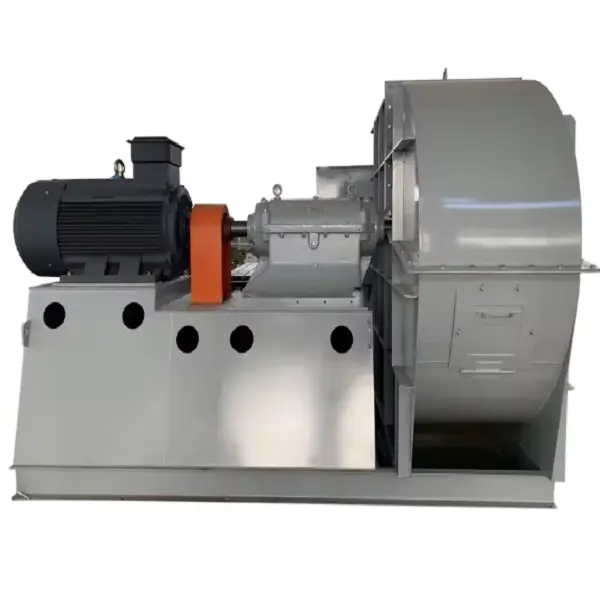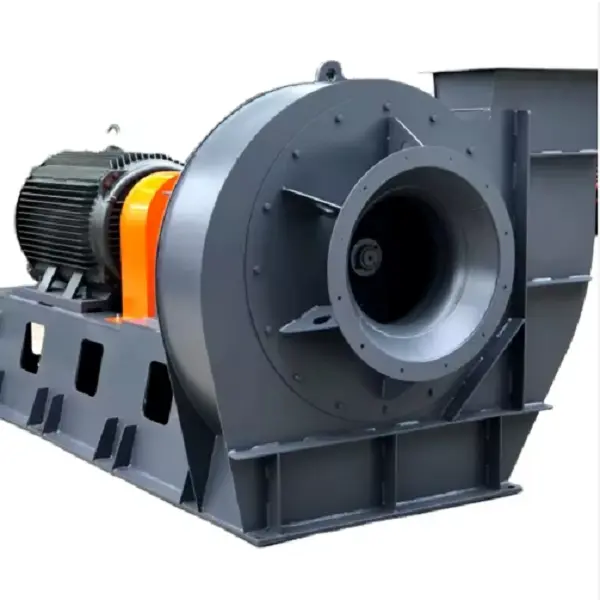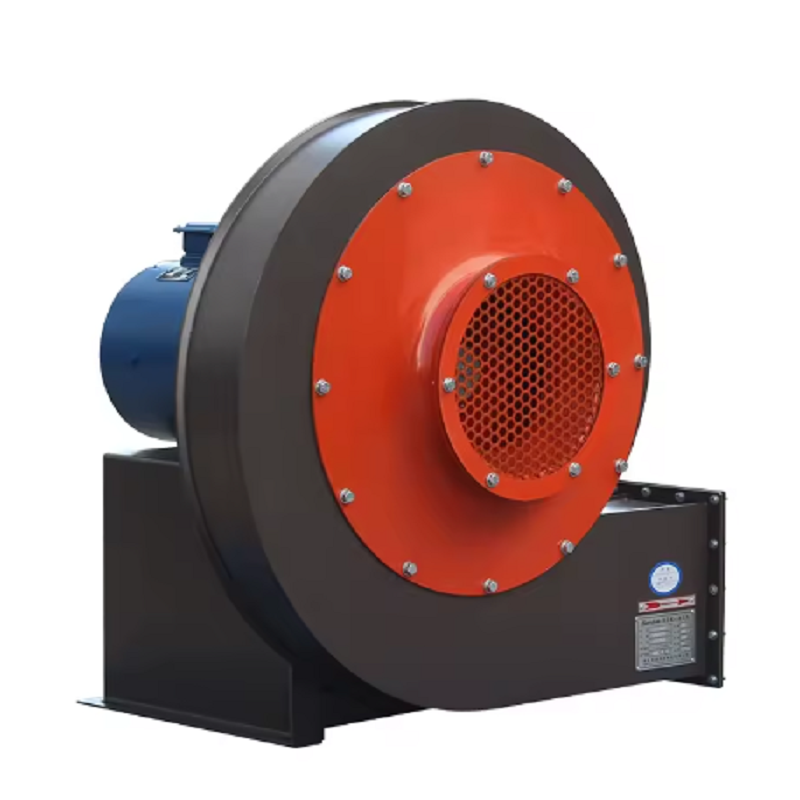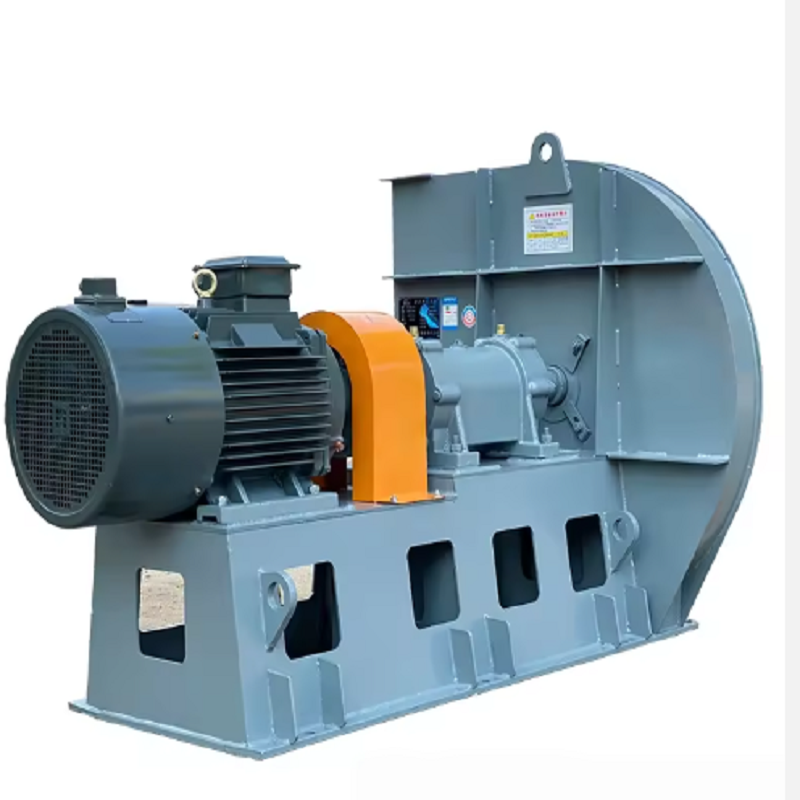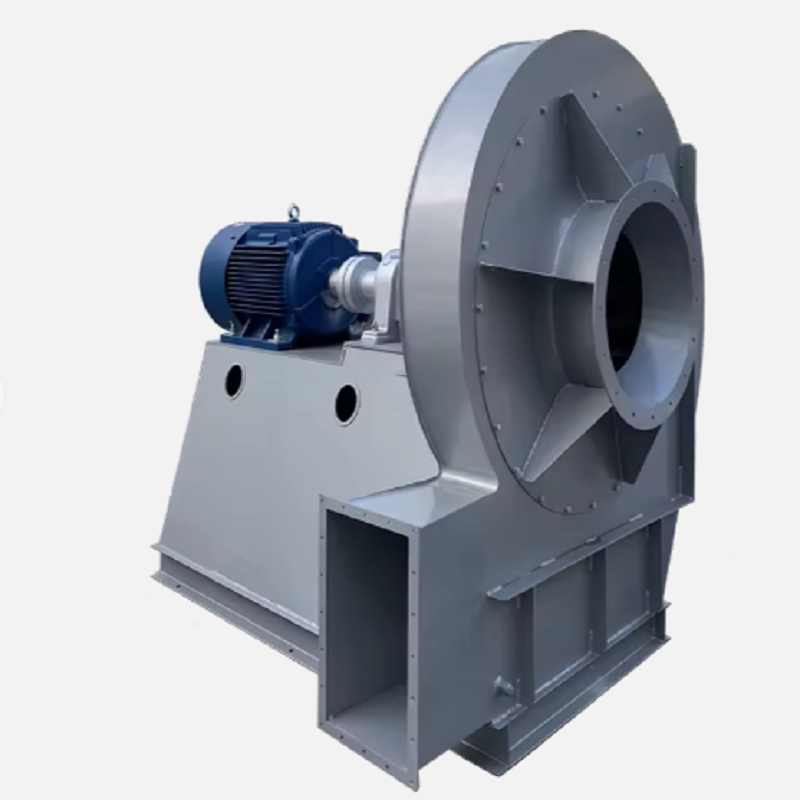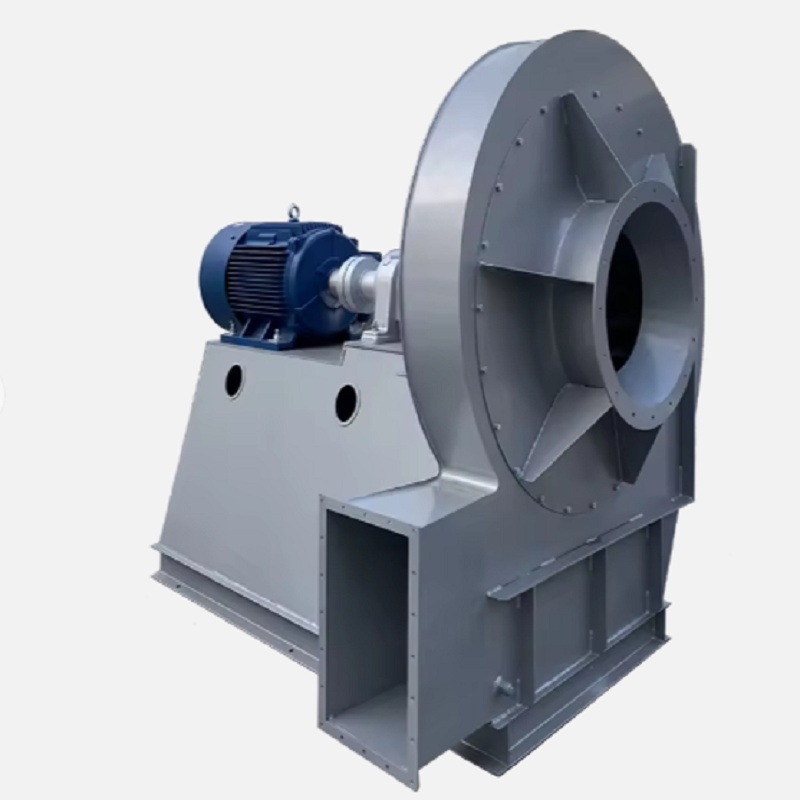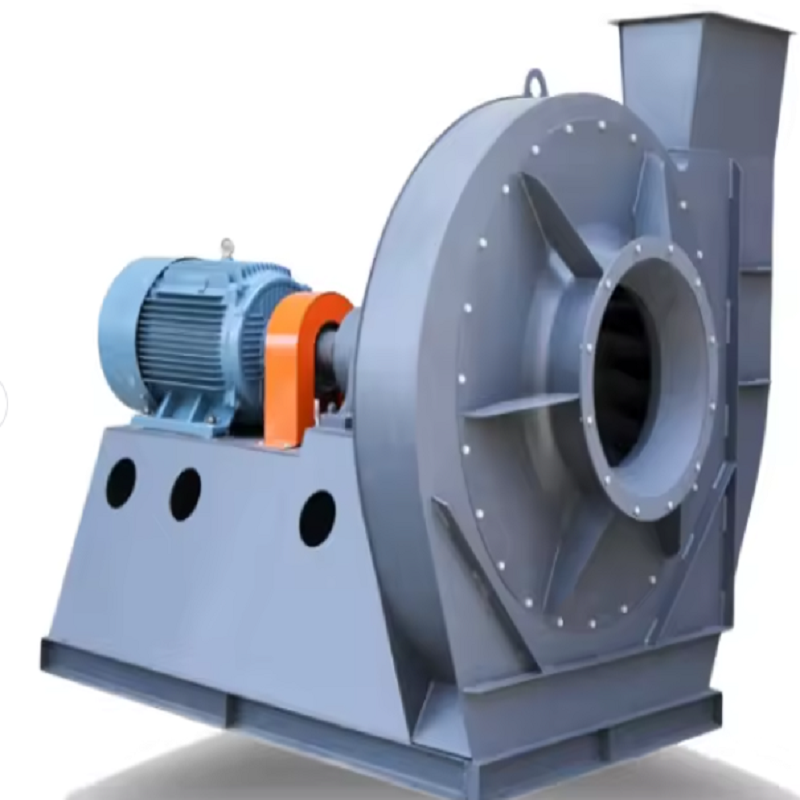
For many factories, fan systems represent a significant part of daily electricity usage. Older ventilation equipment often runs at fixed speeds, causing unnecessary energy waste during periods when full airflow is not required. A High-Efficiency Centrifugal Fan equipped with an efficient motor and variable frequency drive (VFD) can automatically adjust operating speed according to actual airflow demand.
For example, a plastic manufacturing plant in Asia upgraded its workshop exhaust system after analyzing monthly energy data. The company replaced several conventional fans with high-efficiency models and installed VFD controllers. After three months of monitoring, electricity consumption related to ventilation decreased by around 20%, while the production environment remained stable.
Different industries have different ventilation requirements. A warehouse may require large air volume, while a chemical plant may need stable pressure performance and corrosion resistance. Choosing the correct High-Efficiency Centrifugal Fan requires engineers to consider airflow volume, static pressure, temperature, and installation conditions.
A practical selection method includes:
Measuring the actual airflow demand of the facility.
Calculating pressure losses caused by ducts, filters, and ventilation components.
Selecting a fan operating near its highest efficiency point.
Checking material requirements based on working environment.
Testing performance after installation and adjusting system parameters.
This process helps companies avoid problems such as insufficient airflow, excessive noise, and unnecessary energy consumption.
Equipment downtime can create significant losses, especially in industries operating 24 hours a day. Modern fan designs focus not only on efficiency but also on durability. A High-Efficiency Centrifugal Fan usually features optimized impellers, precision balancing, and improved bearing systems to reduce vibration and mechanical stress.
One example comes from a food processing facility that experienced frequent maintenance issues with traditional belt-driven ventilation equipment. The factory replaced the old system with direct-drive centrifugal fans. After implementation, belt replacement work was eliminated, vibration levels decreased, and maintenance schedules became easier to manage. The company achieved more stable operation during peak production periods.
Energy reduction has become an important goal for companies seeking long-term competitiveness. Installing a High-Efficiency Centrifugal Fan helps businesses reduce electricity consumption while supporting environmental targets.
For large facilities such as automotive factories, semiconductor plants, and logistics centers, ventilation systems may run thousands of hours each year. Even small improvements in fan efficiency can create significant annual savings. Many companies now combine efficient fans with intelligent monitoring systems to track energy usage and optimize operation in real time.What Should Companies Consider Before Purchasing?Selecting the right ventilation equipment requires more than comparing product prices. A suitable High-Efficiency Centrifugal Fan should match the specific requirements of the application.
Before purchasing, companies should evaluate:
Airflow requirements – Ensure the fan can provide sufficient air volume for the application.
Pressure requirements – Consider resistance from ducts, filters, and other system components.
Motor efficiency – Higher efficiency motors can reduce long-term electricity costs.
Operating environment – Select suitable materials for dust, humidity, high temperature, or corrosive conditions.
After-sales support – Reliable technical service helps maintain long-term performance.
A professional fan manufacturer can provide performance curves, installation guidance, and customized solutions based on actual working conditions.
As industries continue focusing on energy savings, automation, and sustainable production, efficient ventilation technology will become increasingly important. A High-Efficiency Centrifugal Fan is no longer viewed as a simple air-moving device but as an important component of modern energy management systems.
Companies that upgrade their ventilation infrastructure can benefit from lower operating costs, improved working environments, and more reliable production processes. With continued innovation in motor technology, control systems, and aerodynamic design, high-efficiency centrifugal fans will continue to play a major role in industrial applications worldwide.
-