News

High Pressure Fan Solutions for Furnace, Boiler, and Industrial Processing Applications

2026-08-05 0 Leave me a message

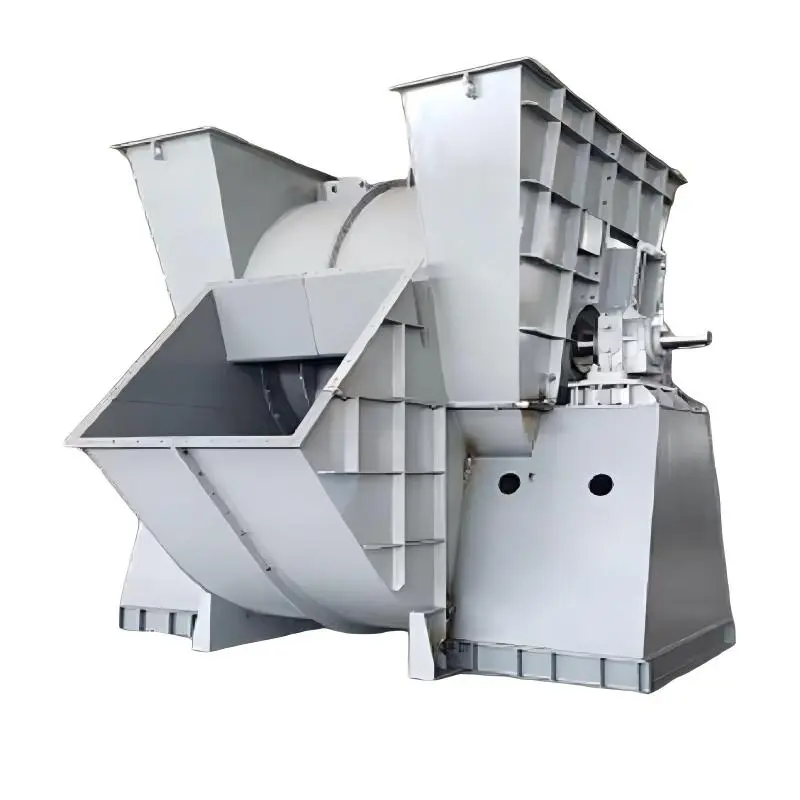
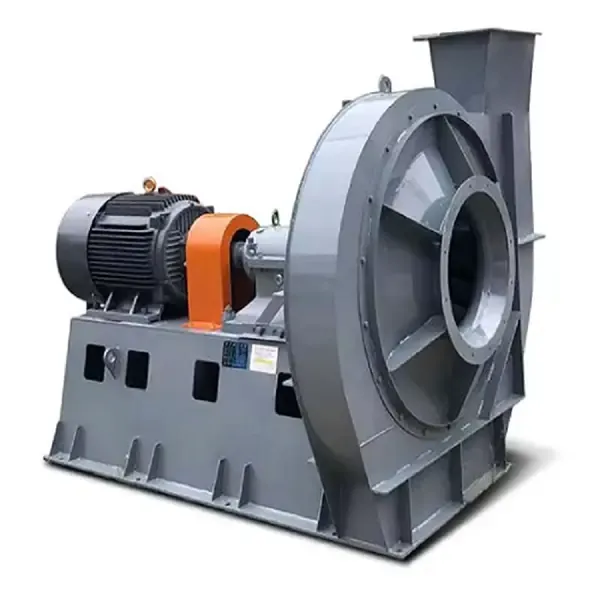
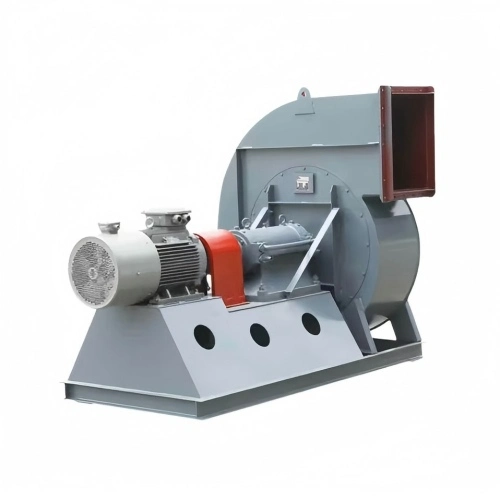
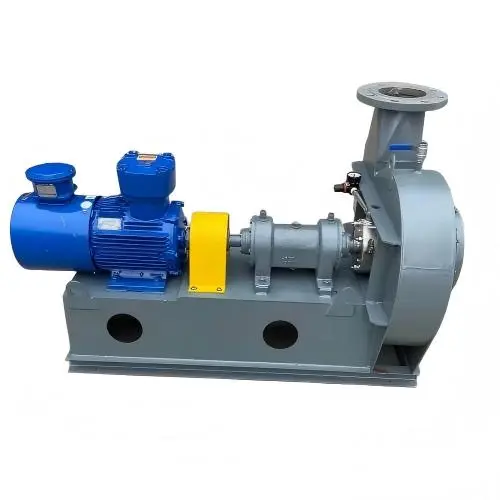
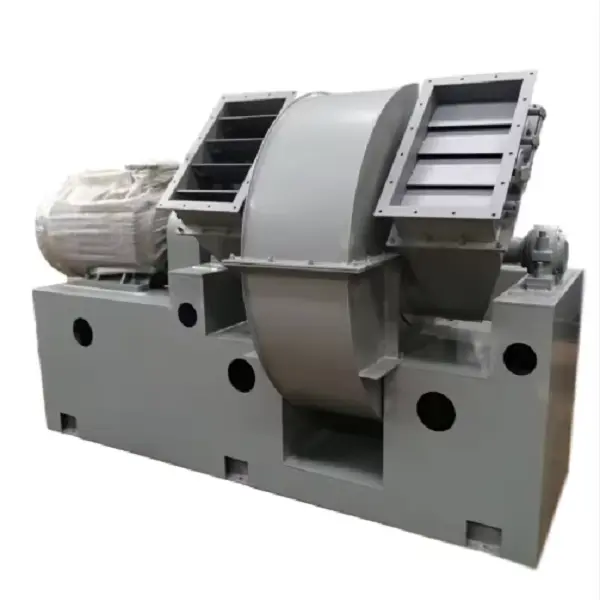
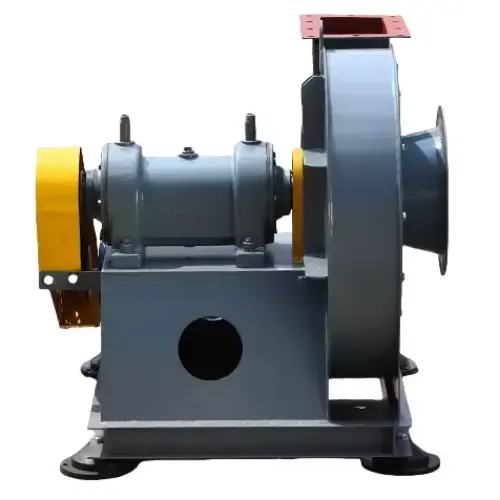
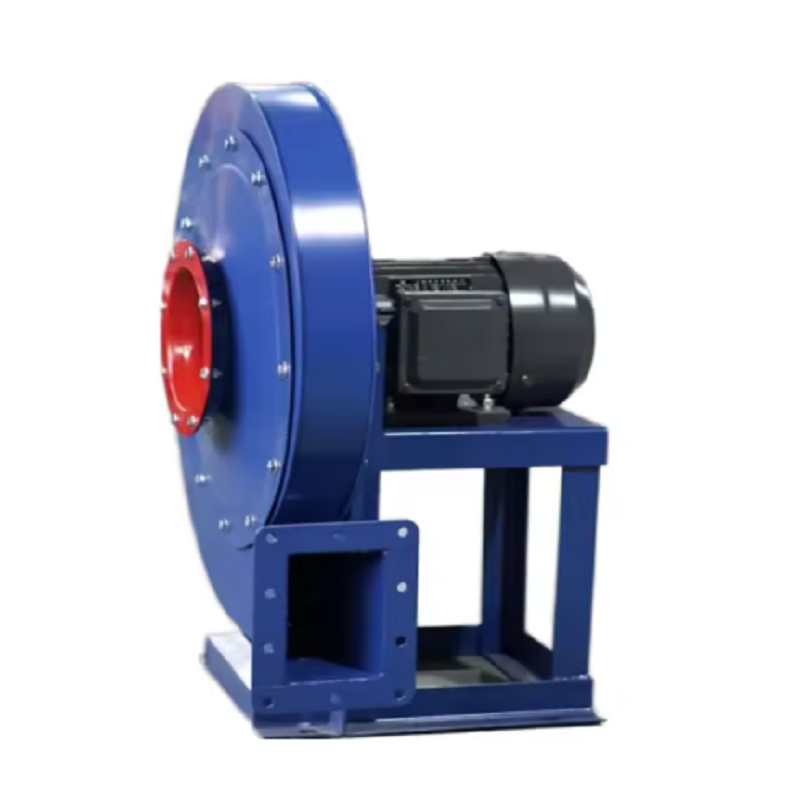
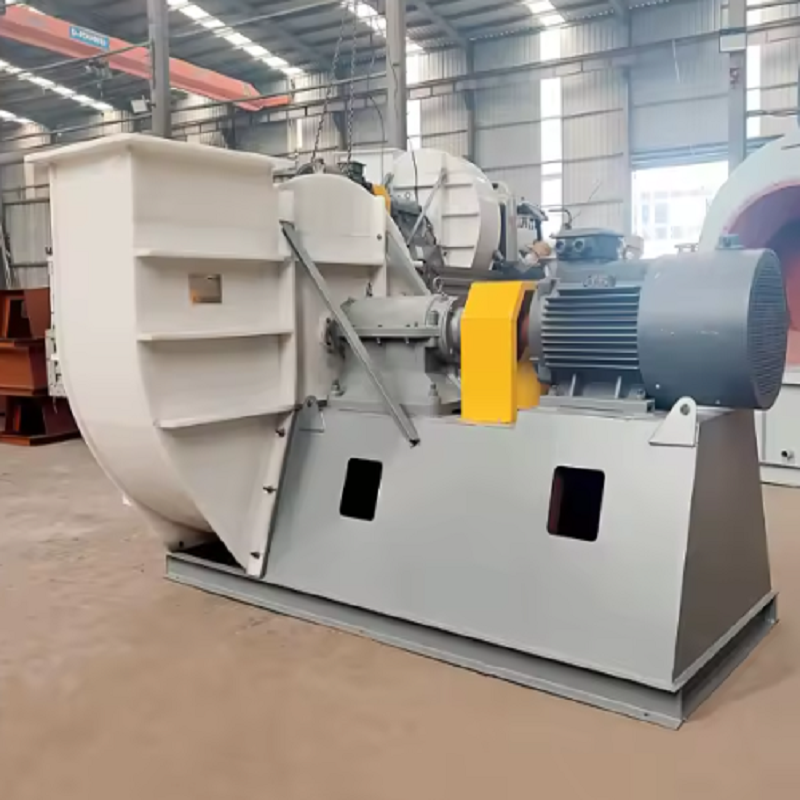
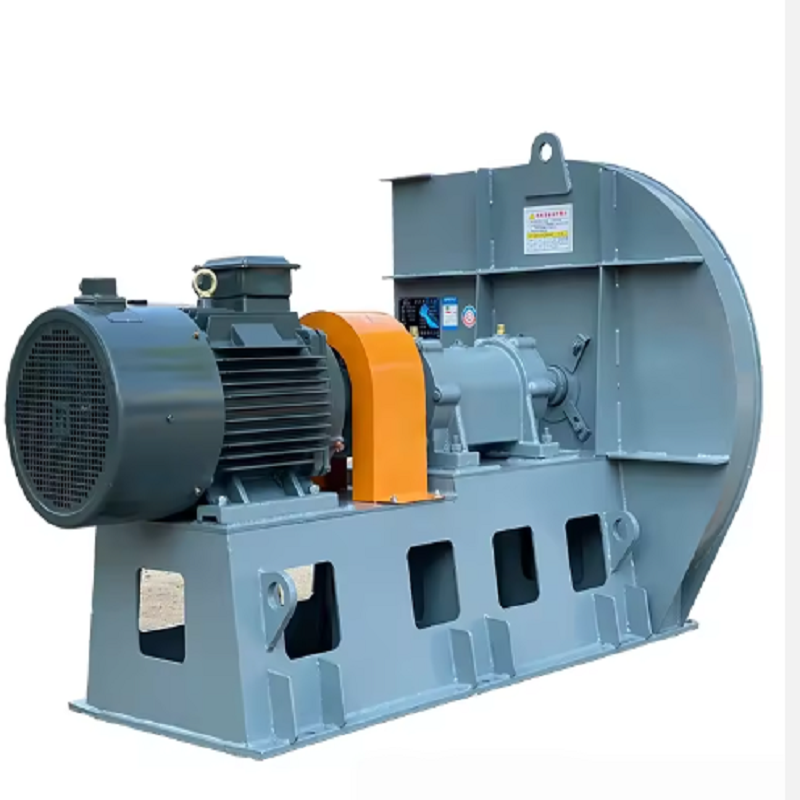
The demand for reliable industrial ventilation equipment is increasing as manufacturers continue to improve production efficiency, environmental protection standards, and energy management. In industries such as metallurgy, glass manufacturing, chemical processing, and power generation, ventilation systems often face challenges including high resistance, extreme temperatures, and continuous operation. Under these conditions, High Pressure Fan solutions have become an essential part of industrial air handling systems.

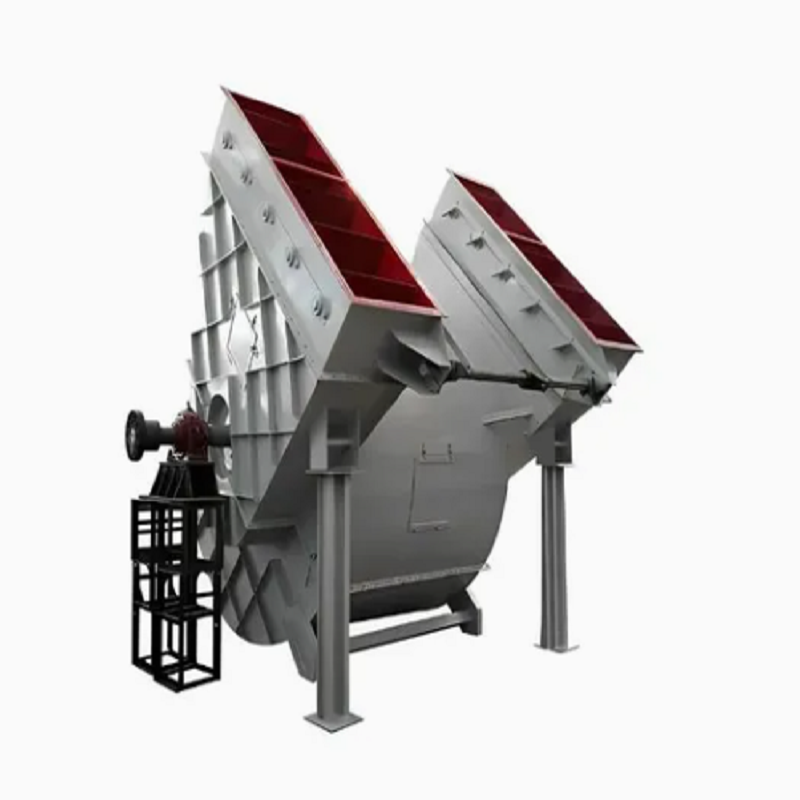
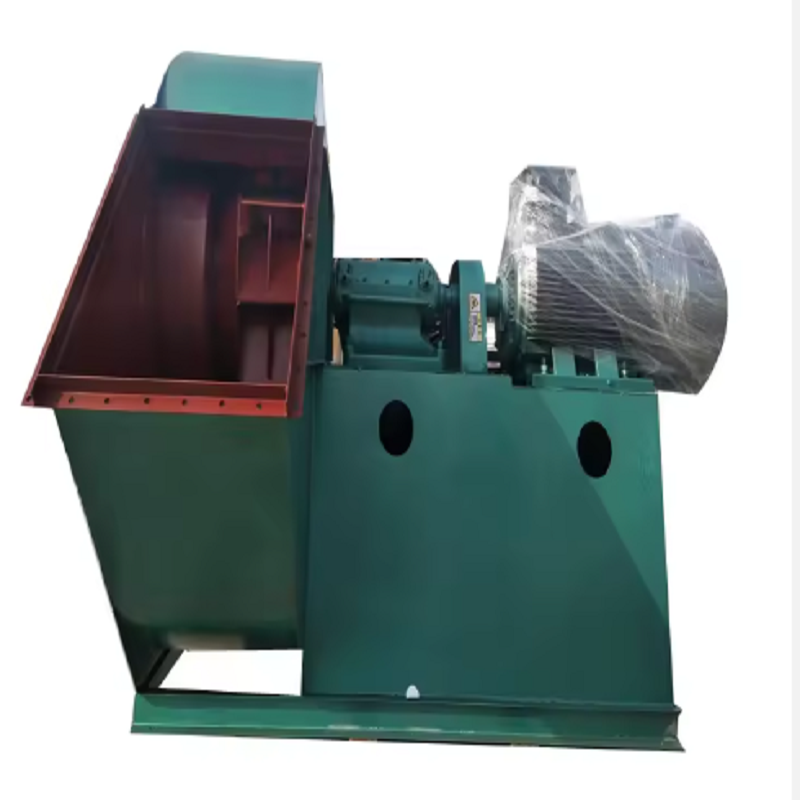
Unlike standard ventilation fans, high pressure models are specifically designed to provide stable airflow under high resistance conditions. They are widely used in furnace combustion systems, boiler air supply, dust collection equipment, and industrial exhaust applications. With improved aerodynamic designs and stronger structural materials, modern High Pressure Fan systems help factories achieve better operational reliability while reducing maintenance requirements.

High Pressure Fan Applications in Furnace and Heat Treatment Systems

Industrial furnaces require a continuous supply of combustion air to maintain stable temperature control and improve fuel efficiency. However, furnace systems usually contain long pipelines, burners, filters, and control valves that create significant pressure losses. A properly selected High Pressure Fan can overcome these resistance factors and deliver the required airflow to the combustion chamber.

For example, a glass manufacturing plant operating a high-temperature melting furnace experienced unstable combustion due to insufficient air pressure from its existing ventilation system. The original fan could provide enough airflow at low resistance but failed when the furnace pressure increased during production changes.

After analyzing the operating conditions, engineers installed a high pressure centrifugal fan with a reinforced impeller design and higher static pressure capability. The upgraded system maintained stable combustion air supply, reduced flame fluctuation, and improved furnace temperature consistency. This practical application shows why correct pressure selection is more important than simply choosing a fan with higher motor power.

High Pressure Fan Solutions for Boiler Air Supply and Exhaust Systems

Boiler systems depend heavily on accurate airflow control. Both forced draft (FD) and induced draft (ID) systems require fans that can handle pressure variations while operating continuously for long periods.

A High Pressure Fan used in boiler applications must consider several factors, including gas temperature, dust concentration, system resistance, and required airflow volume. Improper selection may result in excessive energy consumption, insufficient combustion air, or increased equipment vibration.

In one industrial boiler project, the customer originally used a standard fan for a biomass combustion system. Due to the high resistance caused by dust collectors and exhaust pipelines, the fan frequently operated near maximum capacity, leading to overheating of the motor and unstable airflow.

The engineering team redesigned the ventilation system and replaced the equipment with a heavy-duty High Pressure Fan equipped with a wear-resistant impeller and adjustable speed control. After installation, the boiler achieved more stable operation, and the maintenance frequency was reduced because the fan no longer operated under overload conditions.

Engineering Considerations When Selecting a High Pressure Fan

Selecting the correct fan requires more than checking airflow capacity. Industrial engineers need to evaluate the complete operating environment before choosing equipment.

The main parameters include:

Air volume requirement (m³/h or CFM)

Static pressure requirement (Pa or mmH₂O)

Gas temperature

Medium characteristics

Dust concentration

Operating hours per day

Installation space limitations

For example, a chemical processing factory requiring exhaust ventilation for corrosive gases cannot simply select a standard carbon steel fan. The material selection, sealing design, and surface treatment must match the chemical environment.

In this case, the manufacturer supplied a customized High Pressure Fan using corrosion-resistant materials and optimized the impeller structure according to the customer's operating data. The final solution improved corrosion resistance and provided stable pressure output during continuous operation.

Improving Energy Efficiency Through High Pressure Fan Optimization

Although high pressure fans are designed for demanding applications, energy efficiency remains a major concern for industrial users. A fan operating at incorrect conditions may consume unnecessary power and increase production costs.

Several methods can improve the efficiency of a High Pressure Fan, including:

Selecting the correct operating point based on system requirements

Reducing unnecessary pipeline resistance

Using variable frequency drives (VFD)

Regularly cleaning impellers and checking fan balance

Maintaining proper motor and bearing conditions

A steel processing factory recently optimized its exhaust ventilation system by installing a variable-speed high pressure fan. Previously, the fan operated at full speed regardless of production demand, resulting in excessive electricity consumption.

After adding frequency control, operators could adjust fan speed according to different production stages. The system maintained required airflow while reducing unnecessary power usage. This example highlights that efficiency depends not only on fan design but also on how the entire ventilation system is managed.

Manufacturing Development Trends of High Pressure Fan Technology

As industries move toward cleaner production and higher efficiency standards, fan manufacturers are continuously improving product performance. Future developments focus on aerodynamic optimization, intelligent monitoring, noise reduction, and longer service life.

Modern High Pressure Fan designs increasingly use advanced simulation technology to optimize blade profiles and airflow channels before manufacturing. This helps improve efficiency, reduce turbulence, and achieve more stable operation.

For industries with demanding production conditions, customized fan solutions are becoming increasingly important. A correctly engineered High Pressure Fan can provide reliable airflow for furnaces, boilers, and industrial processing equipment while helping companies reduce downtime and operating costs.

With growing requirements for energy-saving production and environmental control, high pressure ventilation technology will continue to play an important role in industrial manufacturing worldwide.

Related News
Leave me a message
X
We use cookies to offer you a better browsing experience, analyze site traffic and personalize content. By using this site, you agree to our use of cookies. Privacy Policy
RejectAccept