News

Energy-Efficient Centrifugal Fan Solutions Gain Momentum Under New Industrial Fan Efficiency Requirements

2026-08-20 0 Leave me a message

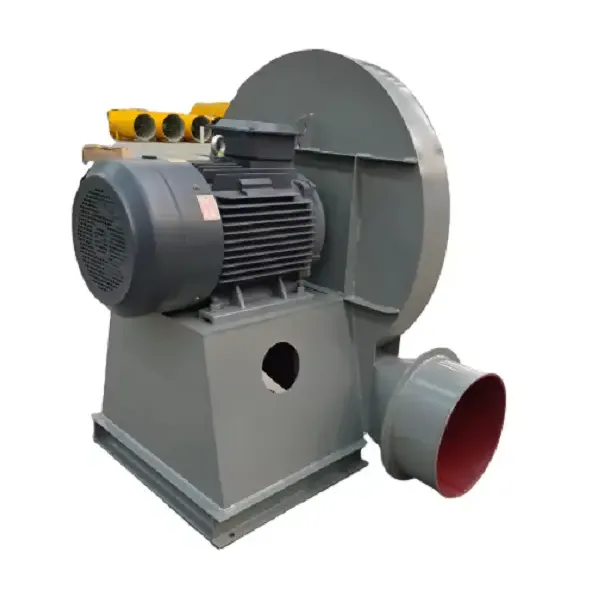
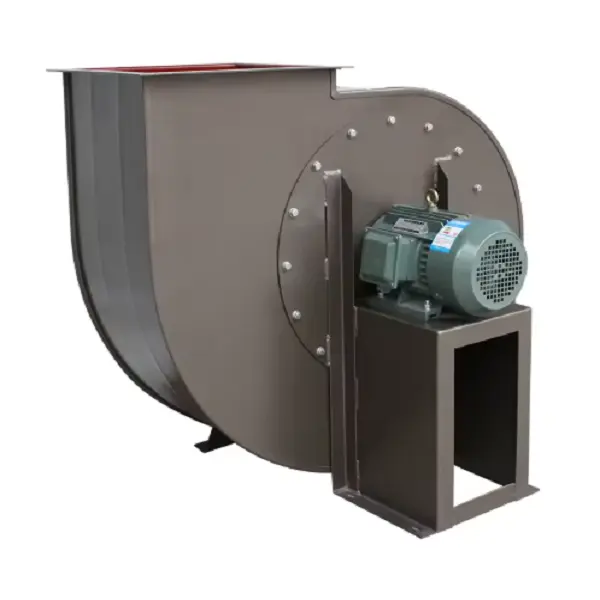
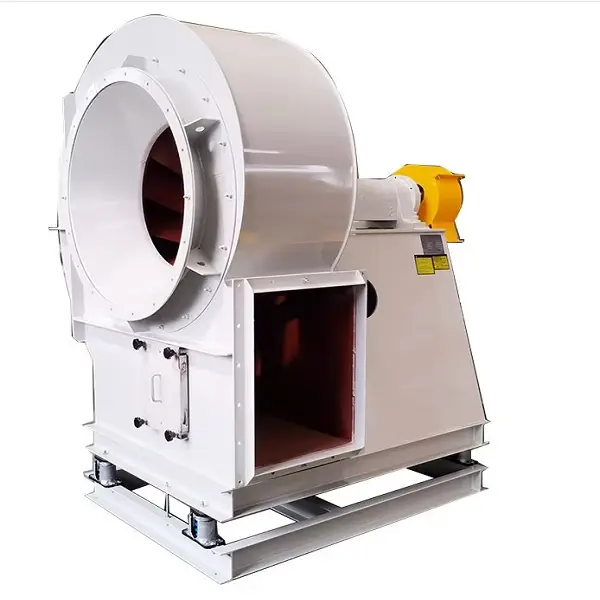
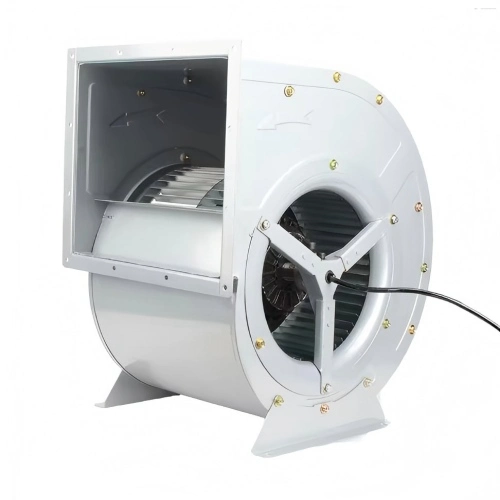
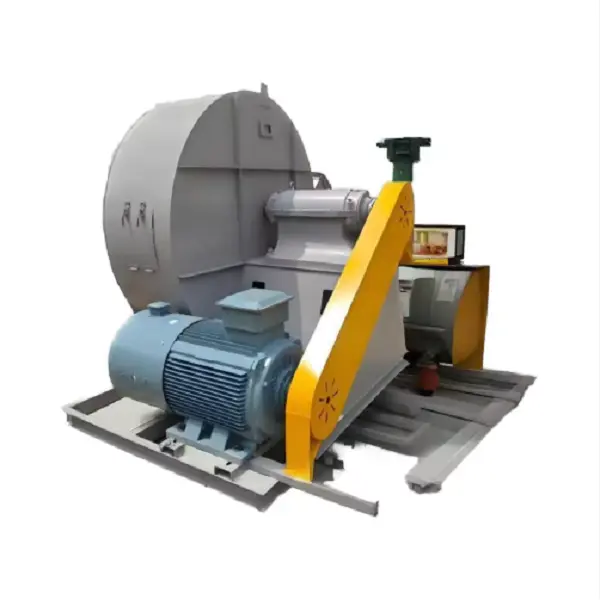
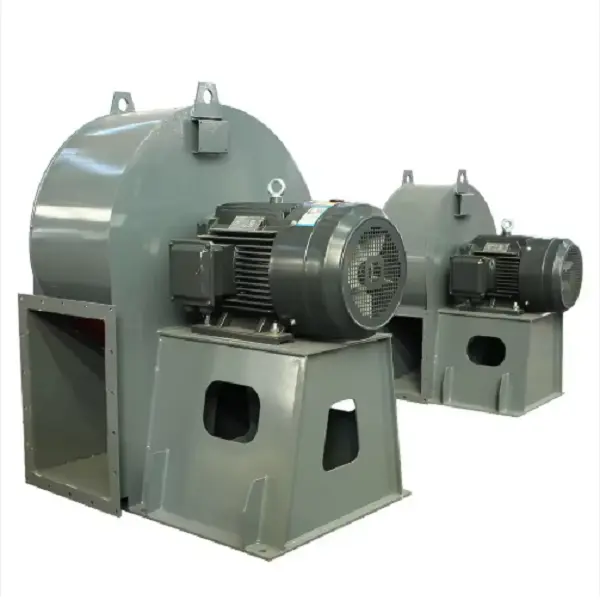
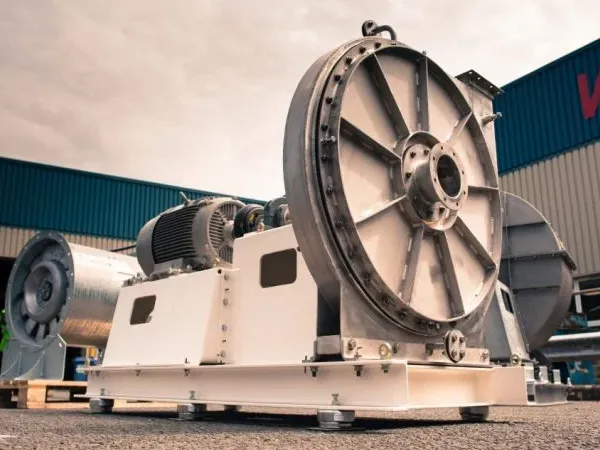
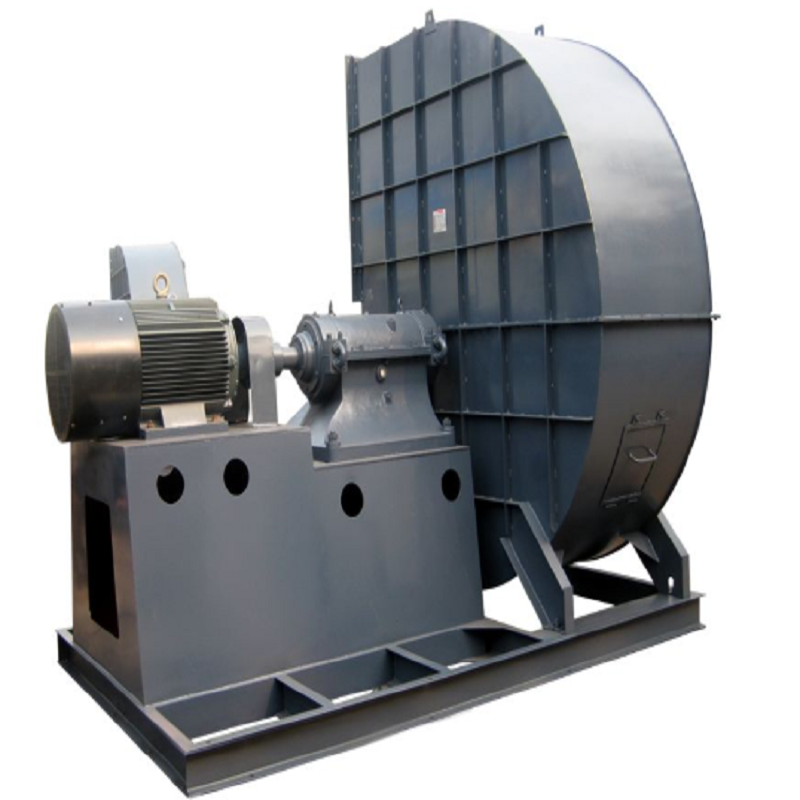
Industrial fan systems are under increasing pressure to deliver the required airflow without consuming unnecessary electricity. In many factories, the fan itself is only one part of the problem. Oversized motors, excessive system resistance, poor duct design, dirty impellers, and constant-speed operation can all increase power consumption. This is why Energy-Efficient Centrifugal Fan solutions are receiving more attention from engineers responsible for production ventilation, furnace exhaust, dust collection, and process air systems.

The timing is also significant in Europe. New EU ecodesign requirements for industrial fans began applying on July 24, 2026. The regulation covers certain fans driven by electric motors with input power from 125 W to 500 kW and introduces stricter performance requirements. The European Commission estimates that this product group represents about 5% of fans in use in the EU but accounts for around 80% of fan electricity consumption. For equipment buyers, this makes Energy-Efficient Centrifugal Fan selection more than a simple equipment purchase; efficiency data, operating conditions, and lifecycle cost increasingly need to be considered together.

Start With the Operating Point, Not the Fan Model

One of the most common mistakes I see in industrial fan selection is choosing a fan based mainly on the required airflow. A centrifugal fan may be rated for 50,000 m³/h, but that number means little without knowing the required static pressure, gas temperature, density, and actual system resistance.

For an Energy-Efficient Centrifugal Fan, I would first establish the design operating point. For example, suppose a dust collection system requires 40,000 m³/h at 2,500 Pa. If the selected fan can provide 40,000 m³/h at 1,500 Pa but cannot maintain the required pressure, the system will not perform correctly. On the other hand, selecting a fan capable of 40,000 m³/h at 5,000 Pa may result in unnecessary motor power and throttling losses.

A practical selection sheet should therefore include at least:

Airflow: m³/h or m³/s

Static pressure: Pa

Total pressure: Pa

Gas temperature: °C

Gas density: kg/m³

Dust concentration: g/m³

Corrosive components, if applicable

Required operating hours per year

Motor power and efficiency

Fan speed

Expected operating range

This information allows an Energy-Efficient Centrifugal Fan to be matched to the actual system instead of simply selecting the largest available model.

Fan Efficiency Is Only Part of System Efficiency

Buying a high-efficiency fan does not automatically make the entire ventilation system efficient. The U.S. Department of Energy recommends looking at the fan system as a complete system because individual components interact with one another.

I recently reviewed a typical industrial ventilation scenario in which the fan was operating continuously, but the production process did not always require full airflow. The original design used a constant-speed motor and a damper to regulate airflow. When production demand decreased, the damper restricted the air path while the motor continued running near full speed.

A better approach is to evaluate whether an Energy-Efficient Centrifugal Fan can operate with variable speed control. Instead of creating unnecessary pressure with the fan and then wasting it across a damper, the fan speed can be adjusted closer to the actual airflow requirement. For centrifugal equipment, this can have a substantial impact because fan power changes strongly with rotational speed. The U.S. Department of Energy notes that adjustable-speed drives can control motor-driven equipment such as centrifugal fans, while Energy Star illustrates the cubic relationship between fan speed and power consumption.

A Practical Example: Reducing Fan Power During Partial Load

Consider a production exhaust system designed for 30,000 m³/h. The fan operates 6,000 hours per year, but the process normally requires only about 70% of the maximum airflow.

With a conventional constant-speed arrangement, operators may use a damper to reduce airflow. The motor still operates at essentially the same rotational speed, so a large portion of the available pressure is simply lost through system resistance.

When an Energy-Efficient Centrifugal Fan is combined with an appropriately selected VFD, the operating speed can be reduced when production demand falls. The exact energy saving must be calculated from the fan curve, system curve, motor efficiency, VFD efficiency, and actual operating schedule rather than assuming a fixed percentage.

For example, if a system can safely operate at approximately 80% of design speed during part-load production, the theoretical fan affinity relationship indicates that power demand can fall much faster than airflow. In practice, the actual saving will be lower or higher depending on system resistance and control strategy, so measurements should be taken before and after the modification.

This is one reason I would not evaluate an Energy-Efficient Centrifugal Fan only by its nameplate efficiency. The real question is how much electricity the complete fan system consumes while delivering the required process airflow.

Impeller Design Directly Affects Energy Consumption

The impeller is another area that deserves attention. Blade profile, blade angle, diameter, width, clearance, and rotational speed all influence fan performance.

For example, an impeller operating with excessive clearance may produce less pressure than expected. Operators sometimes compensate by increasing fan speed, but this can increase motor power, vibration, and bearing loads. A better solution may be correcting the mechanical condition rather than simply increasing speed.

For an Energy-Efficient Centrifugal Fan, the impeller should be selected according to the required pressure-flow relationship. Backward-curved impellers are often considered when efficiency is a priority, while radial or high-pressure designs may be more appropriate for systems handling heavier dust or requiring higher pressure. The correct design depends on the application rather than on one impeller type being universally better.

During commissioning, I recommend recording airflow, static pressure, motor current, fan speed, bearing temperature, and vibration. These measurements create a baseline. If motor current increases significantly six months later while airflow remains unchanged, the maintenance team has objective evidence that something has changed.

Duct Resistance Can Destroy the Benefit of an Efficient Fan

A technically efficient fan can still consume excessive energy if the connected duct system is poorly designed.

Sharp elbows immediately at the fan outlet, undersized ducts, unnecessary transitions, partially closed dampers, and blocked filters can all increase system resistance. The fan must then generate more pressure to maintain the required airflow.

Suppose an Energy-Efficient Centrifugal Fan is selected for 25,000 m³/h at 2,000 Pa, but an incorrectly designed duct system pushes the actual resistance toward 3,000 Pa. The fan may move away from its best-efficiency region, and the motor may consume more power than expected.

For this reason, fan commissioning should include pressure measurements before and after major system components. I normally recommend checking:

Fan inlet pressure

Fan outlet pressure

Filter differential pressure

Duct static pressure

Damper position

Airflow at key branches

Motor current

This information helps distinguish a fan problem from a system problem.

Case Study: Dust Collection System Optimization

Consider a metal-processing plant with a central dust collection system requiring approximately 45,000 m³/h. The original centrifugal fan was selected conservatively because the plant expected future production expansion. In actual operation, however, the system rarely exceeded 35,000 m³/h.

The fan therefore spent much of its operating time away from the most efficient region. Operators controlled airflow primarily through dampers, while the motor operated at a relatively constant speed.

The improvement project started with measurements rather than immediate fan replacement. Airflow, static pressure, motor current, vibration, and filter differential pressure were recorded at several production loads.

The analysis showed that the fan had sufficient capacity but was oversized for the current production schedule. Instead of replacing the entire system, the plant evaluated an Energy-Efficient Centrifugal Fan configuration with variable-speed control and revised operating parameters.

After commissioning, the important metric was not simply the new fan's rated efficiency. The plant compared kWh consumed per operating hour at equivalent production conditions. This approach provided a much clearer picture of whether the modification actually reduced energy use.

The lesson is simple: before replacing an industrial fan, measure the existing system. In some cases, the biggest energy-saving opportunity is control optimization rather than a completely new fan.

High-Temperature Applications Require a Different Approach

Energy efficiency becomes more complicated when the fan handles hot gases. Furnace exhaust, boiler flue gas, kiln systems, and thermal processing equipment may operate at temperatures far above normal ambient conditions.

Gas temperature affects density, while temperature also influences bearing arrangements, shaft design, seals, materials, and cooling requirements. Selecting an Energy-Efficient Centrifugal Fan for a high-temperature application therefore requires more than comparing efficiency percentages.

For example, a fan handling 20,000 m³/h of hot gas at 250°C cannot necessarily be selected using the same assumptions as a fan handling 20,000 m³/h of air at 20°C. The gas density is different, which changes pressure and power calculations.

Before final selection, I would confirm the maximum continuous temperature, normal operating temperature, startup temperature, gas composition, required pressure, and whether the fan will encounter sudden temperature changes.

Maintenance Is Part of Energy Efficiency

Fan efficiency gradually deteriorates when equipment is not maintained. Dust accumulation on the impeller can create imbalance and change the aerodynamic profile. Worn bearings increase mechanical losses. Loose belts can cause slip. Damaged inlet components can disturb airflow.

A useful maintenance program for an Energy-Efficient Centrifugal Fan should therefore track trends rather than waiting for failure.

For example, record vibration and bearing temperature at regular intervals. If vibration rises from 3.0 mm/s to 4.5 mm/s over several months, investigate the cause before the condition becomes a shutdown event. Likewise, if motor current rises without a corresponding increase in airflow demand, check the fan operating point, impeller condition, filter resistance, and mechanical components.

This type of condition-based maintenance is usually more useful than simply following a calendar-based replacement schedule.

Do Not Oversize the Motor Without a Reason

Oversizing the motor is another common practice in industrial projects. Engineers sometimes add a large safety margin because the future operating condition is uncertain. While some design margin is reasonable, excessive oversizing can increase initial cost and may reduce the ability to operate efficiently under normal conditions.

When specifying an Energy-Efficient Centrifugal Fan, I prefer to calculate the required shaft power from the actual duty point and then select the motor with an appropriate engineering margin.

The calculation can be simplified as:

Fan shaft power ≈ Airflow × Pressure / Fan efficiency

For example, at 40,000 m³/h, the airflow is approximately 11.11 m³/s. At 2,500 Pa and 75% fan efficiency:

Power ≈ 11.11 × 2,500 / 0.75 ≈ 37 kW

The final motor selection must also consider transmission losses, motor efficiency, service factor, startup conditions, temperature, altitude, and applicable standards. This calculation is not a substitute for a complete selection, but it provides a useful engineering check against an obviously oversized motor.

Measure Energy Performance With the Right KPI

When evaluating an Energy-Efficient Centrifugal Fan, total motor kW is not always enough. A fan consuming 30 kW while moving 50,000 m³/h may be performing better than a fan consuming 20 kW while moving only 20,000 m³/h.

Useful indicators include:

kW per 1,000 m³/h of airflow

Fan efficiency at the actual operating point

Static pressure delivered

Total pressure delivered

Motor current

Annual operating hours

Annual electricity consumption

Energy consumption per unit of production

For a dust collection system, for example, it can be useful to compare fan energy consumption with tons of material processed. For a furnace exhaust system, energy consumption can be compared with production throughput.

This approach makes the performance of an Energy-Efficient Centrifugal Fan easier to evaluate because the fan is judged against the process it serves, not just its catalog specifications.

What Buyers Should Request From a Fan Manufacturer

When purchasing an industrial fan, I recommend asking for more than airflow and motor power. The technical quotation should ideally include the fan performance curve, operating point, fan efficiency, speed, motor rating, gas conditions, material specification, vibration limits, bearing arrangement, and test information where applicable.

For projects targeting the EU market, regulatory compliance should also be checked against the applicable requirements. The European Commission states that Regulation (EU) 2024/1834 applies from July 24, 2026 to covered industrial fans with electric motor input power between 125 W and 500 kW, including centrifugal fan types.

This makes technical documentation increasingly important. An Energy-Efficient Centrifugal Fan should be evaluated not only on purchase price but also on documented performance, operating conditions, repairability, expected service life, and electricity consumption.

The Real Meaning of Energy Efficiency

Energy efficiency in industrial ventilation is not achieved by putting an “efficient” label on a fan. It comes from matching the fan to the system, operating it near an appropriate duty point, controlling airflow according to actual demand, reducing unnecessary pressure losses, and maintaining the equipment properly.

An Energy-Efficient Centrifugal Fan can provide significant value when these factors are considered together. The U.S. Department of Energy's current fan-system resources likewise emphasize energy management and system-level assessment rather than looking at the fan as an isolated component.

For engineers and plant managers, the most practical starting point is therefore not “Which fan has the highest efficiency?” It is “What airflow and pressure does the process actually need, and how much electricity are we using to deliver it?” Once those numbers are known, selecting and optimizing an Energy-Efficient Centrifugal Fan becomes a measurable engineering exercise rather than a marketing decision.

Related News
Leave me a message
X
We use cookies to offer you a better browsing experience, analyze site traffic and personalize content. By using this site, you agree to our use of cookies.Privacy Policy
RejectAccept