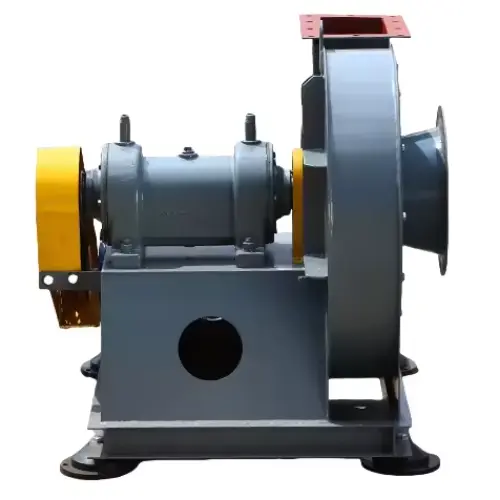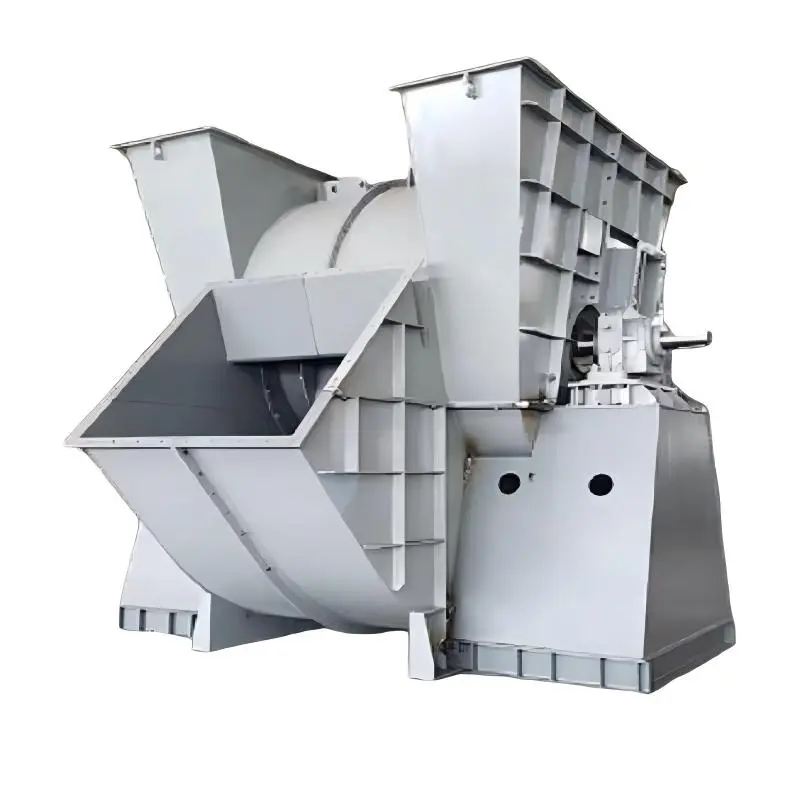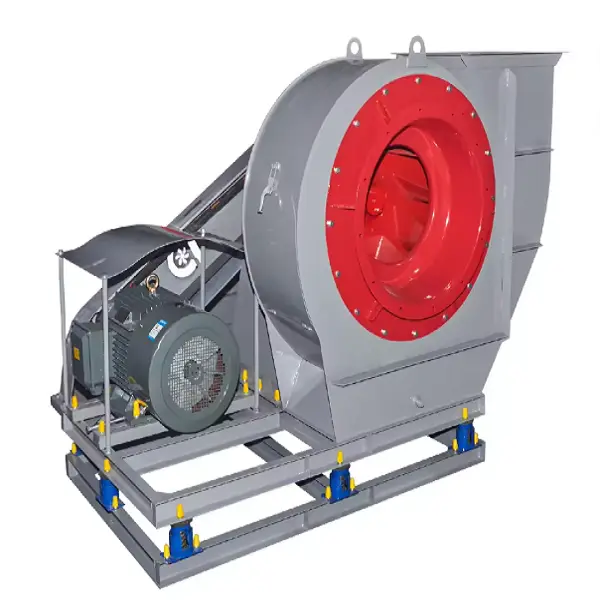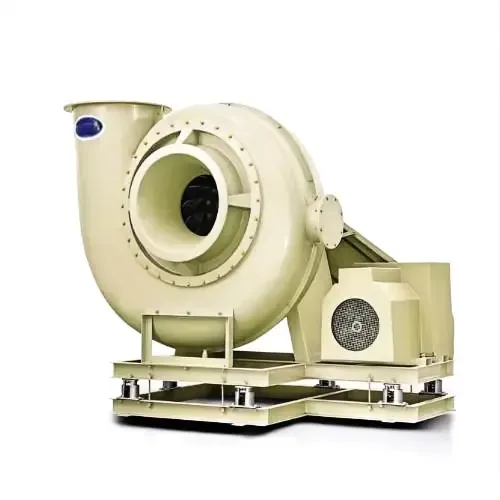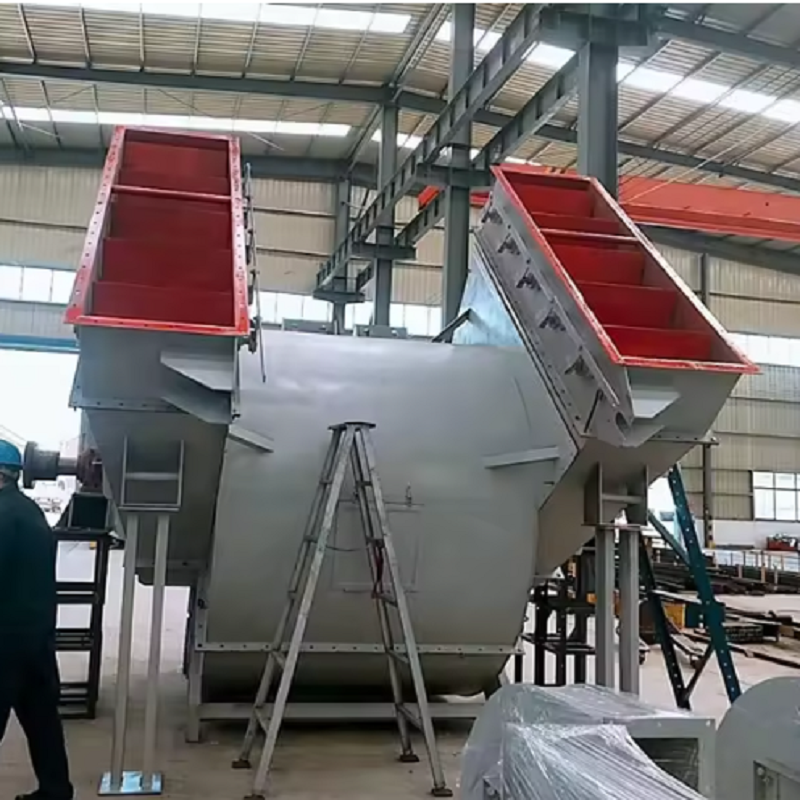
Core 6 Factors to Select a Qualified Centrifugal Fan
1. Confirm Maximum Working Air Temperature
Temperature resistance is the top priority for any high-temperature centrifugal equipment. Conventional standard models handle 80℃-200℃ hot air medium, while heavy-duty customized versions can reliably manage 200℃-450℃ drying hot air and furnace flue gas. A critical point many users miss is distinguishing ambient temperature from the actual medium air temperature. If the air being moved exceeds 200℃, common cast iron fans simply won’t work. In these cases, a 304 stainless steel body paired with an air-cooled motor bracket is non-negotiable. A common and costly mistake in workshops is trying to use an ordinary high-temperature blower as a replacement for a purpose-built Hot Air Centrifugal Fan.
2. Match Air Volume and Static Pressure Parameters
Air volume (CFM/m³/h) and duct static pressure directly determine how efficiently your fan will run. High-temperature centrifugal fans with backward-curved impellers offer higher static pressure than axial-flow fans, making them ideal for long duct runs and multi-pipeline setups. For closed drying tunnel circulation systems, always build in a 10% safety margin on air volume. For exhaust systems carrying dusty hot flue gas, add 15% to your static pressure requirement to account for potential blockages. A professional selection requires overlaying the system resistance curve with the fan’s performance curve to lock in the best efficiency operating point for your Hot Air Centrifugal Fan.
3. Select Fan Body and Impeller Material· 80℃-180℃ medium: Carbon steel Q235 shell with a cast aluminum impeller. A cost-effective choice for food drying workshops.
· 180℃-350℃ medium: 304 stainless steel body with a heat-resistant alloy impeller. Offers excellent oxidation and thermal deformation resistance.
· Corrosive hot, humid air: Go with a 316L stainless steel construction to withstand acid and alkali steam corrosion.
4. Check Motor Heat Insulation and Heat Isolation Structure.
A quality high-temperature centrifugal fan must come equipped with a Class H insulated motor (rated for 180℃) and an independent air or water-cooled heat shield. This setup prevents heat from conducting from the hot fan housing into the motor. Budget fans often skip this critical heat insulation bracket, leading to rapid coil aging and motor burnout within just three months of continuous operation.
5. Confirm Installation Space and Operation Mode
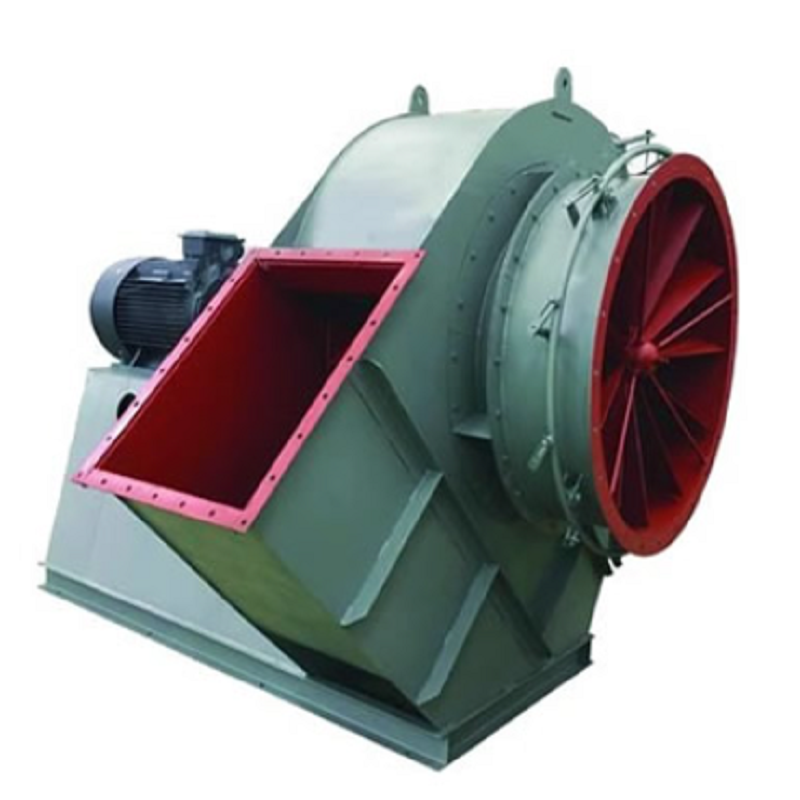
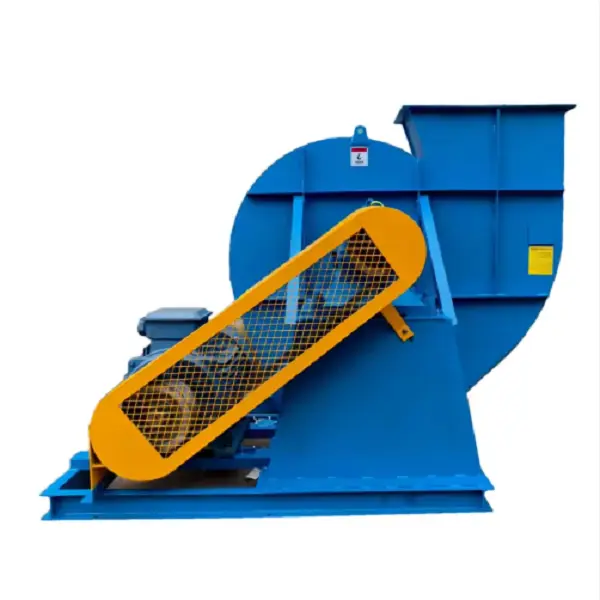
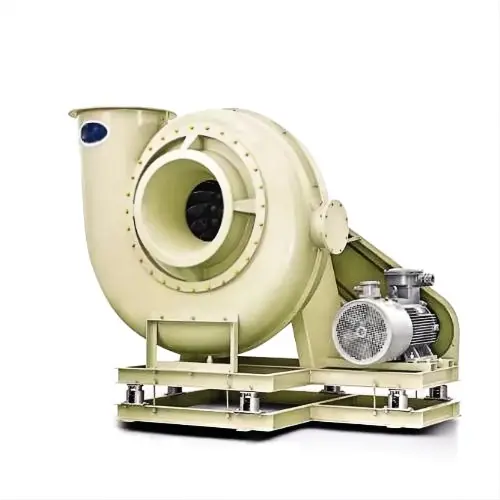
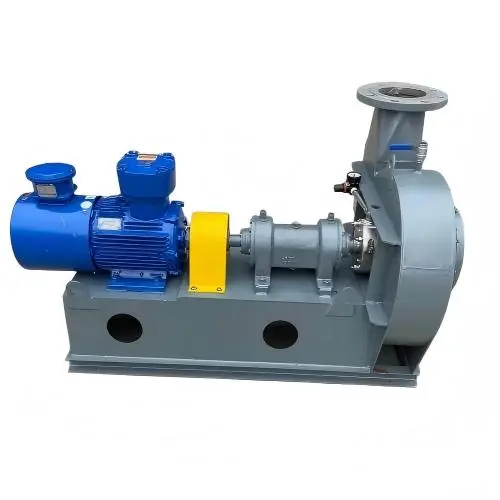
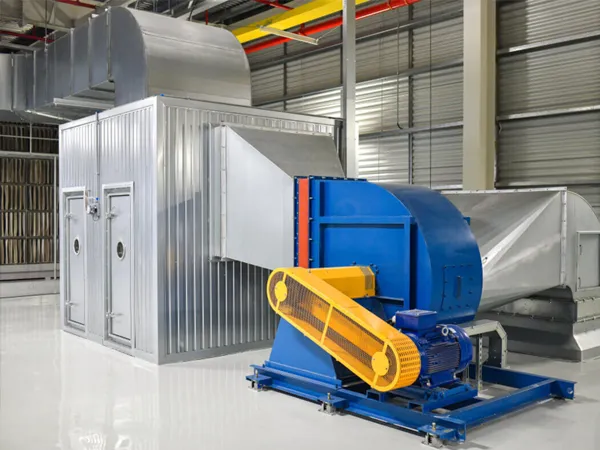
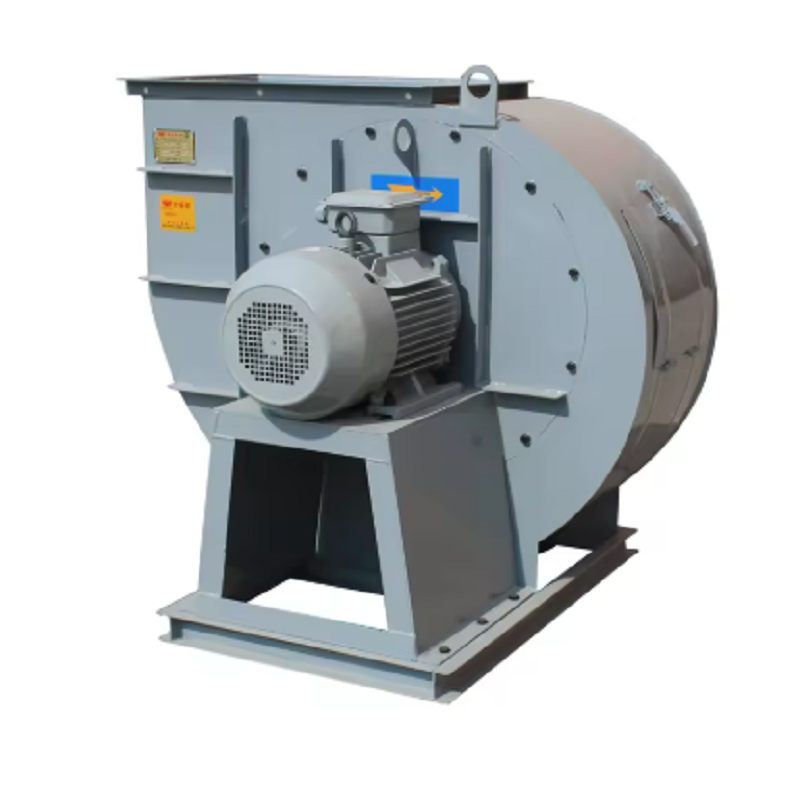
Fans come in two primary configurations: direct-connected and belt-driven. Direct-connected models take up less space and have fewer moving parts, making them reliable for constant-speed hot air circulation. Belt-driven units, on the other hand, allow for stepless speed control, which is perfect for adjustable-temperature drying lines. Also, don’t forget to confirm the IP rating (typically IP54 or IP55) to ensure the fan is protected against dust and splashing water in your workshop environment.
6. Energy Consumption and Long-Term Maintenance Cost.
The impeller design has a huge impact on running costs. Modern high-efficiency impellers can cut power consumption by up to 25% compared to older models. For systems running 24/7, it’s worth investing in an EC variable-frequency drive. The upfront cost of a variable-speed fan pays for itself quickly in reduced electricity bills and maintenance downtime. The goal is to choose a Hot Air Centrifugal Fan that will be reliable and cost-effective for years, not just the cheapest one today.
Real Operation Case: Food Drying Production Line Fan Replacement Project Background & Wrong Initial Selection Problem
A fruit and vegetable drying plant in Jiangsu was running a closed-loop hot air drying tunnel. The medium temperature was 165℃, but they were using a generic high-temperature blower instead of a properly specified centrifugal fan. After just two months of operation, the impeller warped from the heat, dropping circulation efficiency by 40%. The result was unevenly dried produce, frequent motor overheating alarms, and forced shutdowns every seven days for maintenance. This was crippling their production capacity.
Correct Selection Scheme
After analyzing the site conditions—the duct length, constant 165℃ temperature, and required 820m³/h circulation volume—engineers recommended a customized solution. They installed a carbon steel heat-insulated Hot Air Centrifugal Fan with a Class H motor, a backward-curved alloy impeller, and an integrated air-cooled bracket. Crucially, the unit was sized to fit the existing footprint, so the plant didn’t have to modify their production line. It was a true plug-and-play replacement.
On-Site Operation Result
The difference was immediate. Hot air circulation uniformity was fully restored, and the product defect rate plummeted from 12% to just 1.2%. The new fan ran continuously for 12 months without a single fault or shutdown for maintenance. The plant saved over $18,000 annually in maintenance costs and reduced product losses. This case clearly shows how a properly matched Hot Air Centrifugal Fan solves the low efficiency and short lifespan problems caused by using mismatched blowers in medium-temperature applications.
Common Selection Mistakes to Avoid
1. Confusing blowers with centrifugal fans: Blowers are designed for small air volumes at high pressure, while high-temperature centrifugal fans excel at moving large volumes of hot air. They’re not interchangeable.
2. Ignoring heat insulation: Many buyers only focus on the shell material and forget about the motor’s heat shield, leading to premature failure.
3. Not accounting for aging systems: Failing to add extra static pressure margin for older, potentially clogged ducts will leave you with insufficient airflow down the line.
4. Choosing low-grade motors: Cutting corners on motor insulation class is a surefire way to deal with frequent overheating issues in the long run.
Final Conclusion
Choosing the right high-temperature centrifugal fan isn’t just about picking a power rating or size. It’s about matching the fan to your specific conditions: the medium temperature, the duct resistance, the materials, and the working environment. Standard medium-temperature drying lines can use conventional customized units, while high-temperature furnaces or corrosive environments require heavy-duty stainless steel solutions. Taking the time to verify parameters and select the right model will maximize the service life and operating efficiency of the equipment, and effectively cut extra costs brought by equipment replacement and production halt.