News

How to Determine Whether a Type D Centrifugal Fan Manufacturer Is Reliable?

2026-07-20 0 Leave me a message

1. Does the Manufacturer Have Proven Experience in Type D Centrifugal Fan Production?

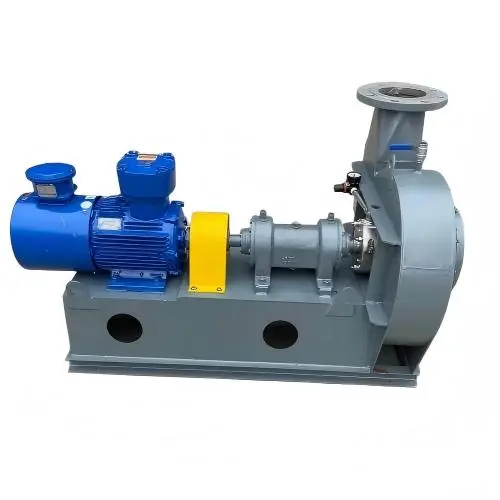
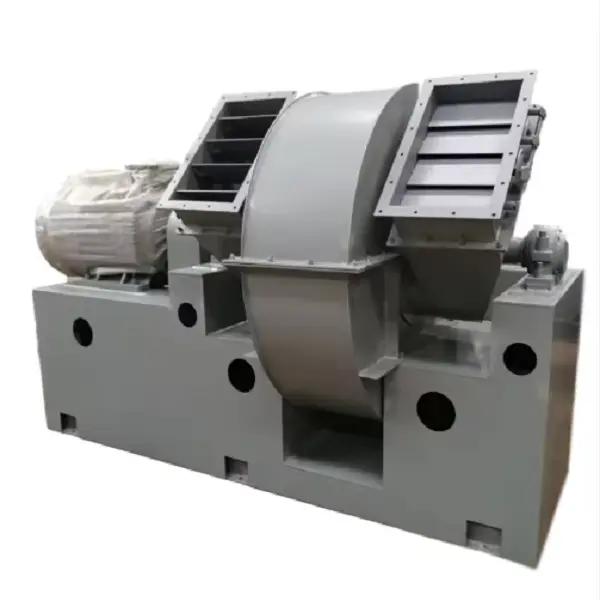
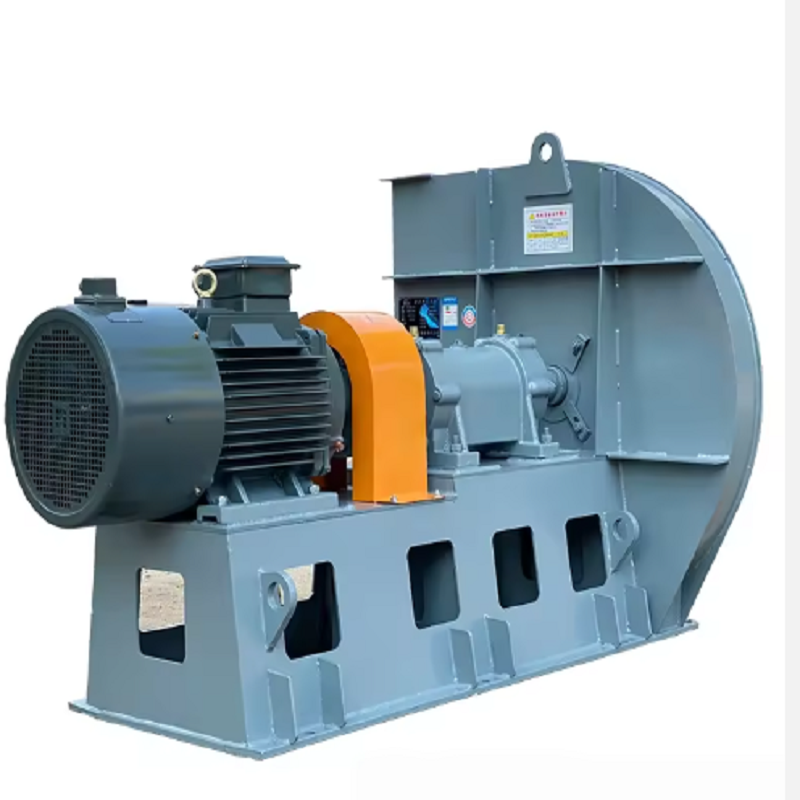
The first step in evaluating a supplier is checking their manufacturing experience. A professional Type D Centrifugal Fan manufacturer should have years of experience in fan design, production, testing, and industrial applications.

Experienced manufacturers usually understand different working conditions, including high-temperature environments, dust-heavy applications, chemical exhaust systems, and continuous operation requirements. They can recommend suitable materials, impeller designs, motor configurations, and pressure ratings based on actual project needs.

For example, a steel processing factory required a ventilation system capable of handling high dust concentrations and long operating hours. Instead of selecting a standard fan, the manufacturer analyzed airflow requirements and recommended a customized Type D Centrifugal Fan with reinforced components and improved wear resistance. After installation, the system achieved stable airflow and reduced maintenance frequency.

When reviewing a manufacturer, buyers should check:

Years of experience in centrifugal fan manufacturing

Previous industrial projects

Customer references

Product development capabilities

A company with practical engineering experience is usually more capable of solving unexpected problems during operation.

2. How Does the Manufacturer Control Product Quality?

Quality control is one of the most important factors when selecting a Type D Centrifugal Fan manufacturer. A reliable supplier should have strict inspection procedures covering raw materials, manufacturing processes, assembly, and final performance testing.

Before production, important components such as steel plates, shafts, bearings, and motors should be carefully inspected. During manufacturing, key dimensions including impeller balance, welding quality, and housing accuracy must meet technical requirements.

For instance, an HVAC contractor once replaced several low-quality fans because excessive vibration caused frequent shutdowns. After switching to a professionally tested Type D Centrifugal Fan, the system achieved smoother operation because the manufacturer performed dynamic balancing tests on every impeller before delivery.

Buyers should ask manufacturers about:

Performance testing procedures

Impeller balancing standards

Motor quality verification

Factory inspection reports

A reliable manufacturer should be transparent about how products are tested before shipment.

3. Can the Manufacturer Provide Technical Support and Custom Solutions?

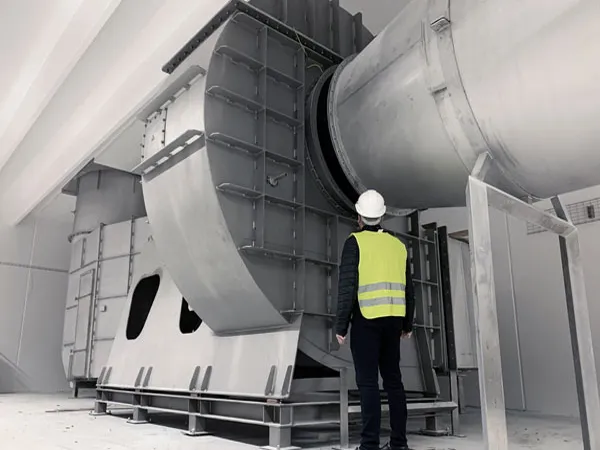
Industrial ventilation projects often involve different airflow rates, pressure requirements, installation spaces, and environmental conditions. A dependable Type D Centrifugal Fan supplier should provide engineering support instead of simply selling standard products.

For example, a chemical plant needed an exhaust system operating under corrosive conditions. The manufacturer evaluated the gas composition and recommended corrosion-resistant materials and a suitable coating solution for the Type D Centrifugal Fan housing. This customized approach helped extend equipment service life and reduced replacement costs.

Before cooperation, buyers should ask:

Can the manufacturer provide airflow and pressure calculations?

Can they customize fan size or materials?

Do they provide installation guidance?

Is technical support available after delivery?

A manufacturer that understands application requirements can often provide better long-term value than a supplier focusing only on low prices.

4. Does the Manufacturer Have Reliable Production Capacity and Delivery Ability?

A reliable Type D Centrifugal Fan manufacturer should have stable production capabilities to ensure consistent delivery schedules. Delays in ventilation equipment supply can affect entire construction projects or factory expansion plans.

Professional manufacturers usually have organized production systems, skilled technicians, and reliable supply chains for key components. They can also provide accurate production timelines before receiving orders.

For example, during a large industrial warehouse project, the contractor needed multiple ventilation units within a strict construction schedule. The selected manufacturer provided a detailed production plan, completed factory testing on time, and delivered all Type D Centrifugal Fan units according to the agreed schedule.

When evaluating production capability, buyers should consider:

Factory size and equipment

Monthly production capacity

Lead time management

Export experience

A supplier’s ability to deliver consistently reflects its overall management level.

5. Are Customer Reviews and Previous Projects Available?

Past performance is one of the most effective ways to judge whether a Type D Centrifugal Fan manufacturer is reliable. Real project experience shows whether the supplier can deliver quality products and maintain customer satisfaction.

Before placing an order, buyers can request:

Project references

Installation photos

Customer feedback

Performance data from previous applications

For example, a food processing company evaluating different suppliers compared several manufacturers by reviewing previous ventilation projects. The supplier with more successful industrial installations and detailed technical documentation was selected because it provided stronger confidence in the performance of its Type D Centrifugal Fan systems.

A manufacturer that is willing to share project experience usually has greater confidence in its products and services.

Conclusion: What Makes a Reliable Type D Centrifugal Fan Manufacturer?

Selecting a reliable Type D Centrifugal Fan manufacturer requires more than comparing prices. Buyers should evaluate manufacturing experience, quality control systems, technical capabilities, production capacity, and previous project performance.

A trustworthy supplier will focus on providing stable airflow performance, efficient operation, and long-term support rather than only selling equipment. By carefully checking these factors before purchase, companies can reduce operational risks and choose a ventilation solution that delivers lasting value.

Related News
Leave me a message
X
We use cookies to offer you a better browsing experience, analyze site traffic and personalize content. By using this site, you agree to our use of cookies.Privacy Policy
RejectAccept