News

Industrial Centrifugal Fans Support Reliable Exhaust and Air Handling in Heavy Industries

2026-09-01 0 Leave me a message

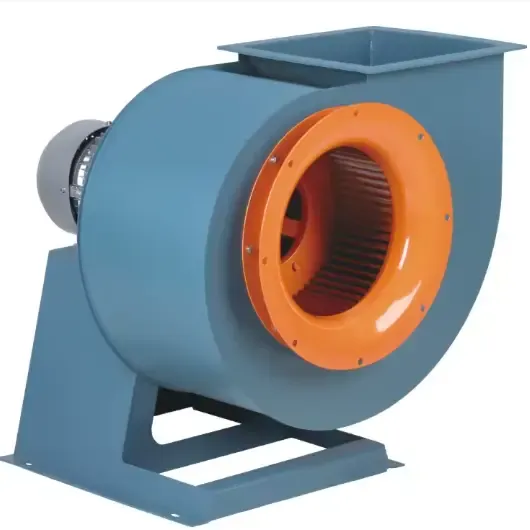
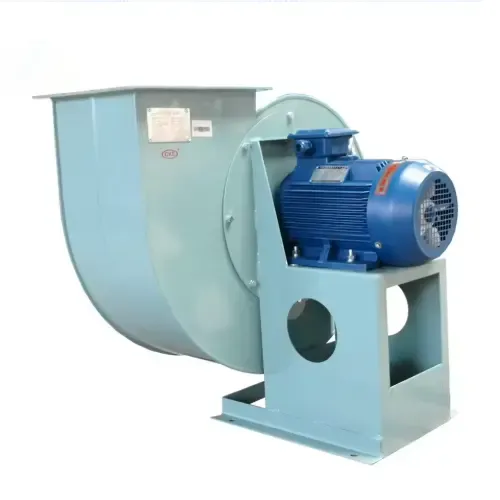
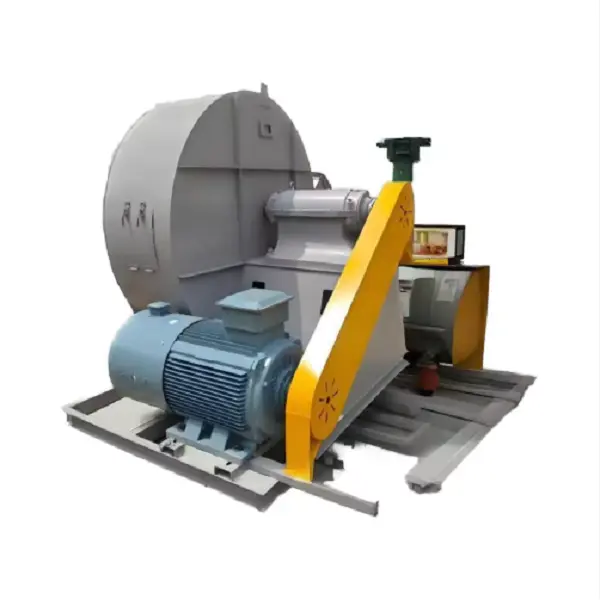
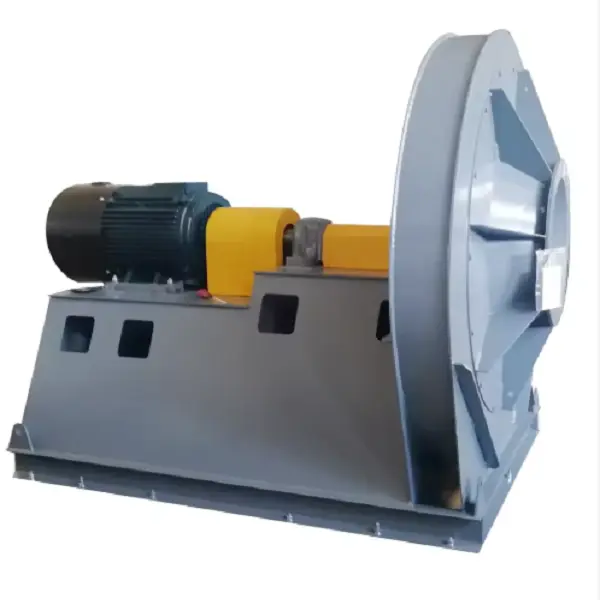
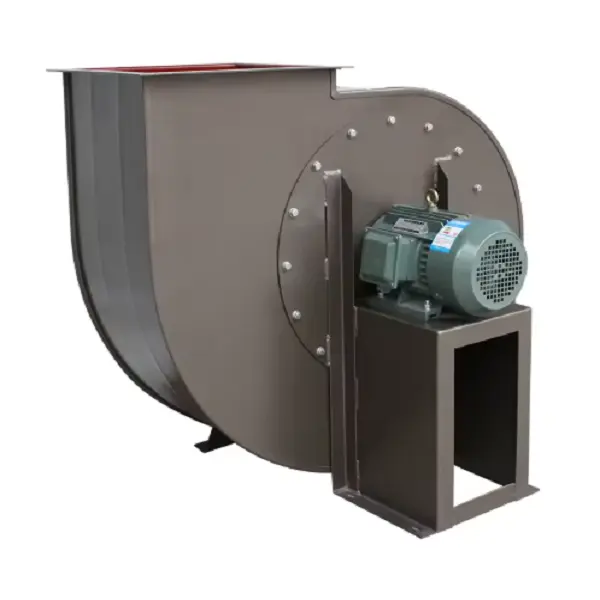
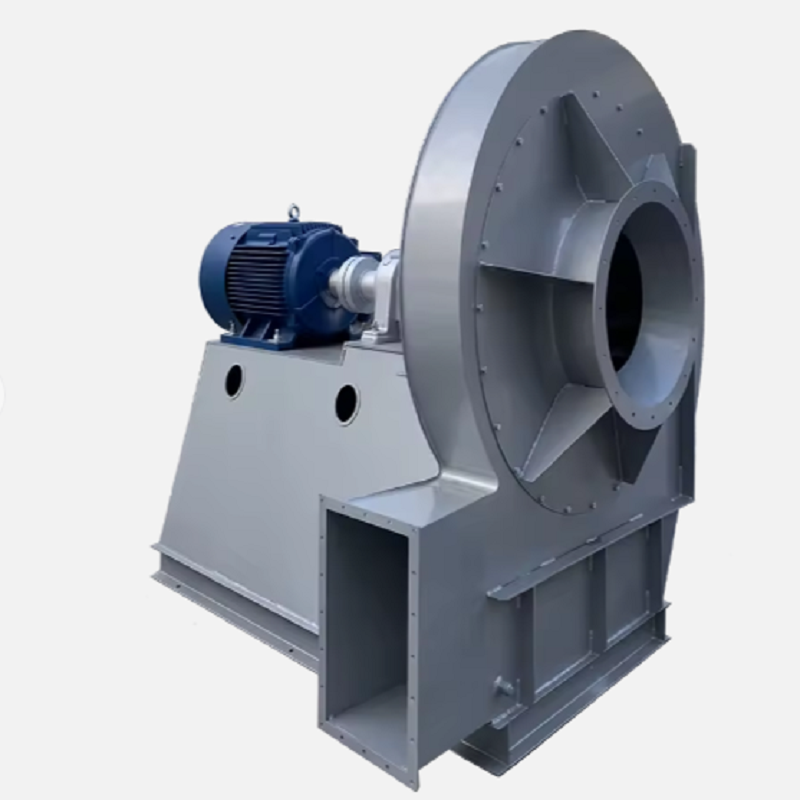
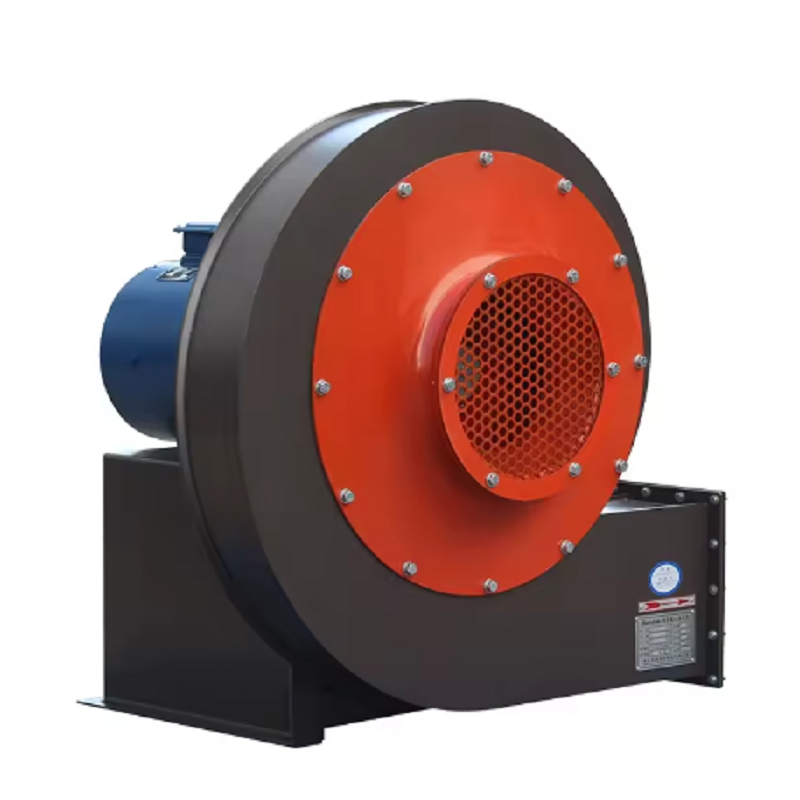
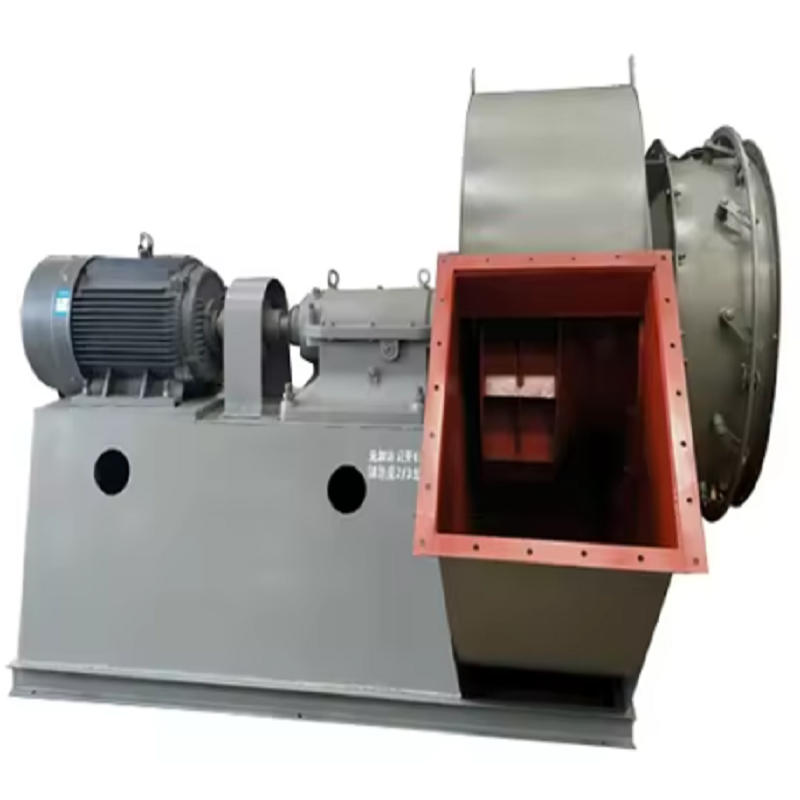
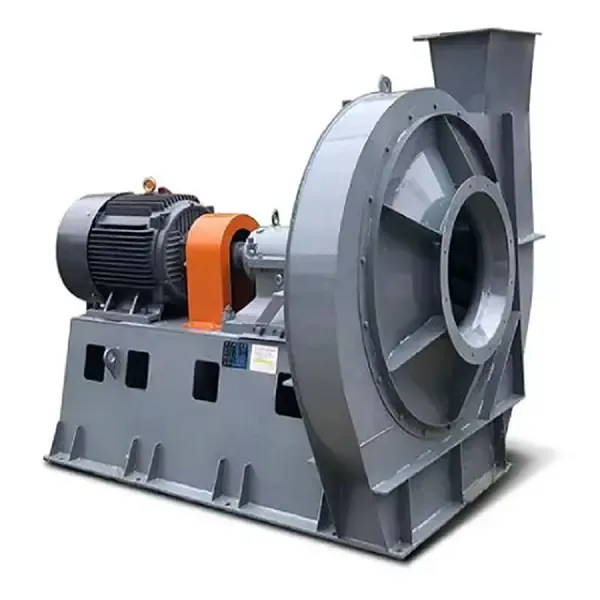
Heavy industrial facilities rarely operate under simple ventilation conditions. Steel plants, cement factories, power stations, boiler rooms, and chemical processing facilities often have to move large volumes of air containing dust, hot gases, moisture, or corrosive components. In these environments, Industrial Centrifugal Fans are commonly used for process exhaust, furnace ventilation, induced draft, dust collection, and general air handling because they can be configured for different airflow and pressure requirements.

Unlike a standard ventilation fan, an industrial fan must be selected according to the actual resistance of the connected system. A fan that delivers sufficient airflow in an open test condition may fail to meet the required performance after being connected to long ducts, filters, dampers, scrubbers, or heat exchangers. For this reason, Industrial Centrifugal Fans should be selected from the system operating point rather than from airflow alone.Selection Should Start With Airflow and System ResistanceThe first step when selecting Industrial Centrifugal Fans is to determine the required airflow and total system pressure. Airflow is normally specified in m³/h, m³/s, or CFM, while pressure may be expressed in Pa, kPa, mmWG, or inWG.

For example, assume a dust extraction system requires 18,000 m³/h of airflow at 2,200 Pa total pressure. The calculation should include the resistance of the main duct, elbows, expansion sections, filter, cyclone, damper, and discharge stack. If the filter alone contributes 700 Pa and the duct system contributes another 900 Pa, selecting a fan based only on the 18,000 m³/h airflow would be risky.

A practical approach is to establish the operating point first and then check the fan performance curve. The selected Industrial Centrifugal Fans should provide the required airflow and pressure at the expected operating speed while maintaining reasonable efficiency and motor loading.

Temperature Has a Direct Effect on Fan Design

High-temperature exhaust is another common requirement in heavy industry. Furnace exhaust, boiler flue gas, clinker production, heat-treatment lines, and combustion systems can expose the fan to temperatures significantly above normal ambient conditions.

When selecting Industrial Centrifugal Fans for hot-gas service, the temperature should be specified together with the airflow and pressure. Gas density changes as temperature increases, which affects the pressure and power relationship. The fan structure may also require a cooled bearing arrangement, shaft cooling section, high-temperature grease, expansion considerations, or heat-resistant materials.

For example, if a fan handles gas at approximately 180°C rather than 20°C, the design cannot simply copy the dimensions of a fan handling ambient air. The lower gas density changes the operating conditions, while the shaft, bearings, seals, and surrounding components must tolerate the elevated temperature. In practical projects, Industrial Centrifugal Fans designed for high-temperature service are therefore normally engineered around the actual gas temperature and process conditions.

Dust Concentration Determines Impeller and Casing Requirements

Dust is one of the most underestimated factors when specifying Industrial Centrifugal Fans. Cement, mining, foundry, steel, and biomass applications can expose the impeller to abrasive particles for thousands of operating hours.

A fan handling clean air and a fan handling abrasive dust may have the same airflow requirement, but their mechanical designs can be very different. Depending on particle size and concentration, engineers may consider thicker impeller plates, wear-resistant liners, reinforced blades, replaceable wear plates, or a suitable impeller geometry.

One practical example is a cement conveying system where the fan began showing increasing vibration after several months of operation. Inspection found uneven wear on several impeller blades. The original impeller had been selected primarily according to airflow and pressure, without sufficiently considering the abrasive dust concentration. After the impeller was redesigned with additional wear protection in the high-impact areas, the vibration increase slowed considerably and maintenance intervals became longer.

This type of failure illustrates why Industrial Centrifugal Fans should be specified according to the complete process environment rather than treating the fan as an isolated piece of equipment.

Installation Can Affect Performance as Much as Fan Selection

Even correctly selected Industrial Centrifugal Fans can perform poorly if installation conditions are ignored. The inlet and outlet arrangement has a direct effect on airflow distribution and system resistance.

A sharp elbow installed immediately at the fan inlet can create uneven airflow entering the impeller. Similarly, a sudden reduction in duct diameter can increase turbulence and pressure loss. Flexible connections should also be installed correctly; excessive deformation can restrict the airflow path.

During commissioning, technicians should check fan rotation direction, motor current, bearing temperature, vibration, inlet and outlet pressure, and actual airflow where measurement equipment is available. The damper should not simply be fully opened and left in that position. It should be adjusted according to the required operating point.

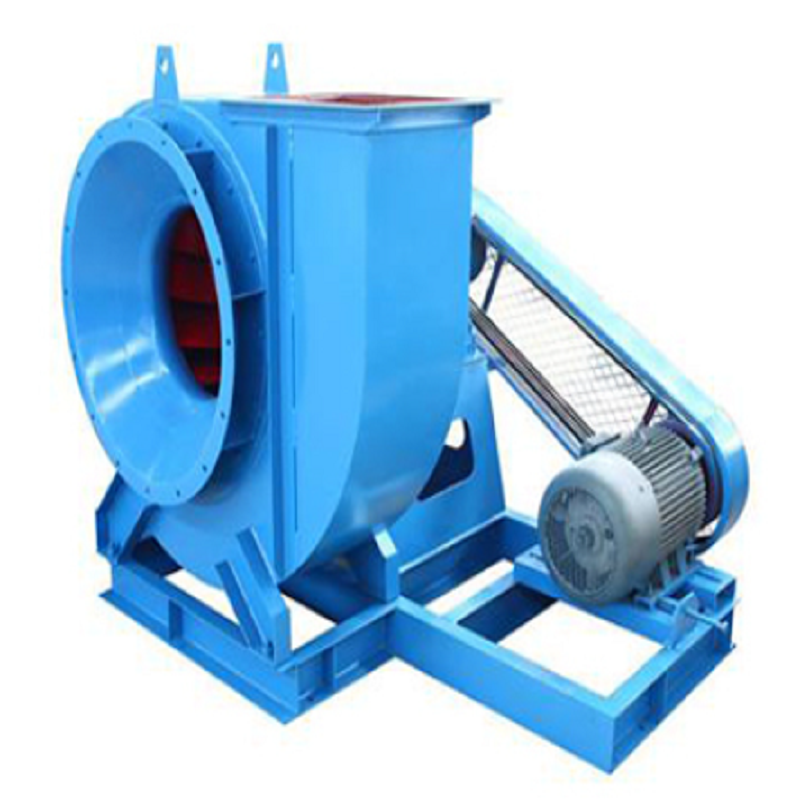
For Industrial Centrifugal Fans driven by belts, pulley alignment and belt tension are also important. Excessive belt tension increases bearing loading, while insufficient tension can cause slipping and speed instability. Direct-coupled arrangements require accurate shaft alignment between the fan and motor.

Case Study: Improving Exhaust Performance in a Steel Processing Line

A steel processing facility was experiencing insufficient exhaust from a high-temperature production area. The installed fan was rated for approximately 25,000 m³/h, but operators reported that smoke and hot air remained around the process equipment.

The initial assumption was that the fan was undersized. However, field measurements showed that the fan motor current was already relatively high. Further inspection found that the inlet duct had accumulated deposits and that a downstream damper was only partially open. The filter section had also developed a significantly higher pressure drop than its original design value.

Instead of immediately replacing the fan, the maintenance team cleaned the inlet duct, serviced the filter section, checked the damper position, and inspected the impeller for fouling. After these corrections, airflow increased without changing the fan or motor.

The lesson is important for operators of Industrial Centrifugal Fans: a reduction in airflow does not automatically mean that the fan itself has failed. System resistance, impeller contamination, incorrect damper position, and duct restrictions should be checked before equipment replacement.

Motor Power Should Be Checked Against Actual Operating Conditions

Motor selection is another area where practical operating data matters. The motor should have sufficient capacity for the required fan duty while avoiding unnecessary oversizing.

If a fan operates at a higher pressure than expected, the required shaft power can increase. On the other hand, operating a large fan far below its intended duty point can create unstable or inefficient operating conditions.

For Industrial Centrifugal Fans, commissioning should therefore include motor current measurement under actual operating conditions. If the measured current is significantly higher than the expected value, technicians should investigate fan speed, system resistance, gas density, impeller condition, and operating point rather than simply assuming the motor is defective.

For variable-speed systems, speed control can provide another method of matching fan output to process demand. Because fan power changes strongly with speed, even a moderate reduction in speed can produce a substantial reduction in power consumption when the process allows the airflow to be reduced.

Maintenance Should Focus on Operating Data

Routine maintenance for Industrial Centrifugal Fans should not be limited to lubrication. The most useful maintenance programs combine visual inspection with trend monitoring.

At a minimum, operators should record vibration, bearing temperature, motor current, fan speed, and unusual noise. For dusty applications, the impeller should be inspected periodically for buildup and erosion. For belt-driven fans, belt condition and alignment should also be checked.

A gradual increase in vibration is particularly useful as an early warning. Possible causes include impeller fouling, imbalance, bearing deterioration, loose foundation bolts, shaft misalignment, or wear on individual blades. Comparing current readings with commissioning data is usually more useful than relying on a single absolute value.

In continuous-process plants, these checks can help identify deterioration before it develops into an unplanned shutdown. This is one reason Industrial Centrifugal Fans should be treated as rotating process equipment requiring condition monitoring, rather than simply as ventilation accessories.

Choosing the Right Fan Configuration

There is no single centrifugal fan configuration suitable for every heavy-industry application. Forward-curved, backward-curved, radial, and other impeller configurations each have different operating characteristics.

For clean-air applications where efficiency is a priority, a backward-curved design may be appropriate. For heavily contaminated gas streams, a radial or wear-resistant configuration may be more suitable depending on the required pressure and particle characteristics.

Material selection also depends on the process. Carbon steel may be sufficient for ordinary air handling, while stainless steel or special coatings may be considered for corrosive gases. High-temperature applications may require different shaft, bearing, sealing, and structural arrangements.

For this reason, purchasing specifications for Industrial Centrifugal Fans should include at least airflow, static or total pressure, gas temperature, gas composition, dust concentration, installation altitude, operating hours, fan speed, motor power, material requirements, and drive arrangement.

Reliable Operation Starts With Correct Engineering Data

The performance of Industrial Centrifugal Fans is ultimately determined by how accurately the fan is matched to the process. Airflow alone is not enough. Pressure, temperature, density, dust loading, corrosion, operating speed, installation configuration, and maintenance conditions all influence the final result.

For a new project, the most reliable approach is to collect the process data first, calculate the system resistance, determine the required operating point, and then select the fan and motor. For an existing system with performance problems, field measurements should be taken before replacing equipment.

In heavy industries, where ventilation and exhaust systems often operate continuously, a correctly engineered Industrial Centrifugal Fans solution can reduce unnecessary energy consumption, improve process conditions, and prevent avoidable downtime. The key is not simply choosing a larger fan, but choosing a fan that matches the actual system and maintaining it according to real operating conditions.

Related News
Leave me a message
X
We use cookies to offer you a better browsing experience, analyze site traffic and personalize content. By using this site, you agree to our use of cookies.Privacy Policy
RejectAccept