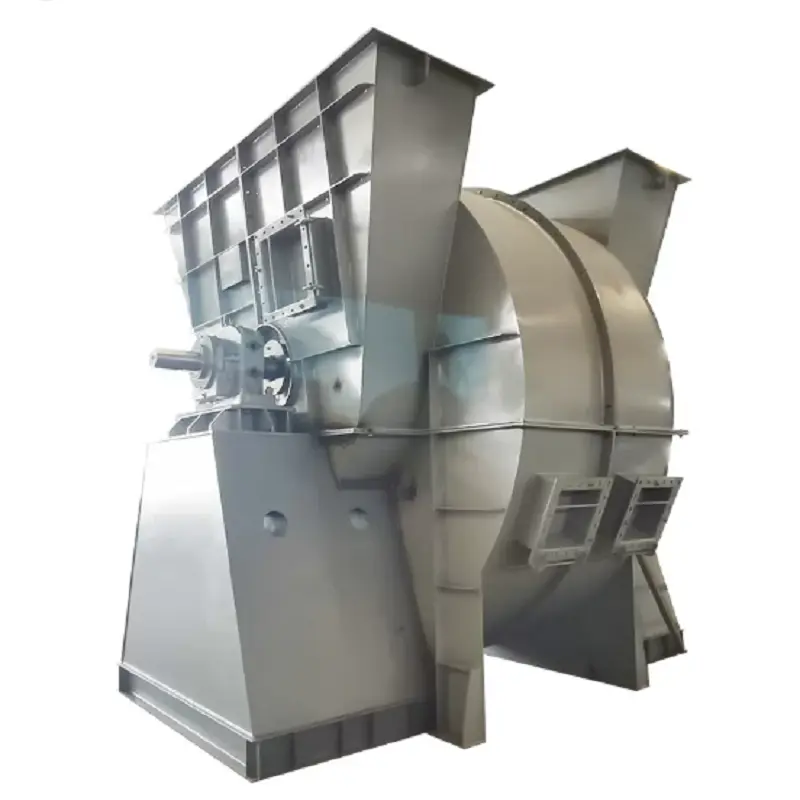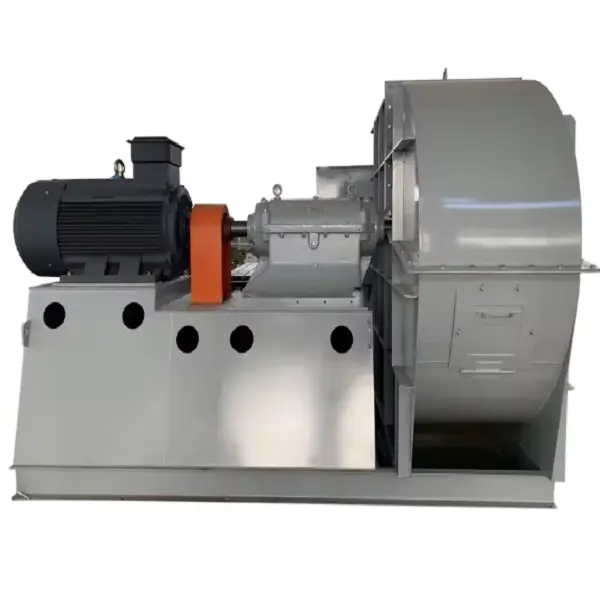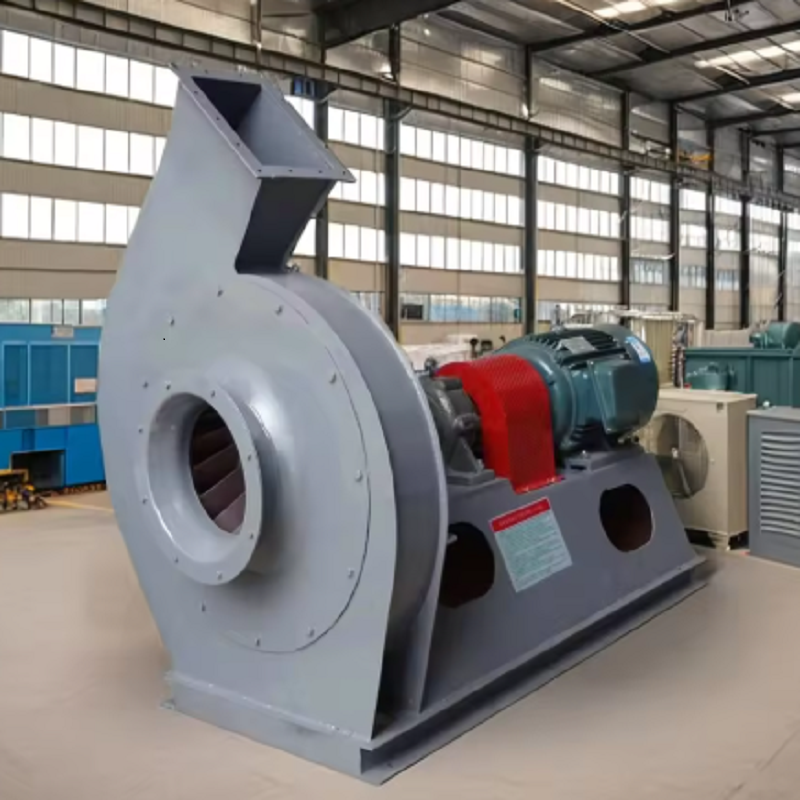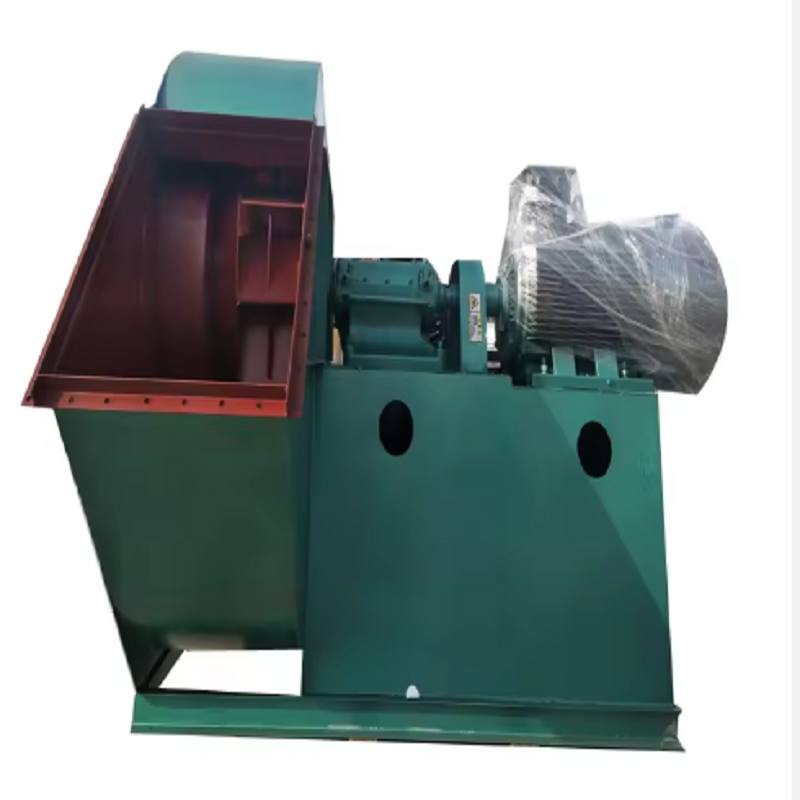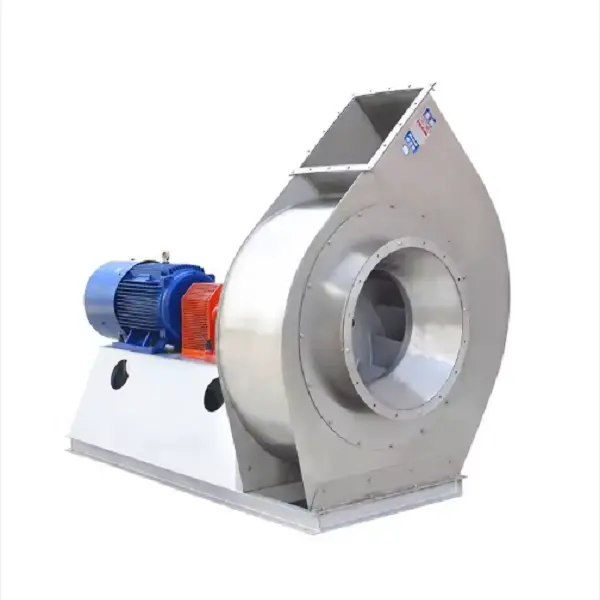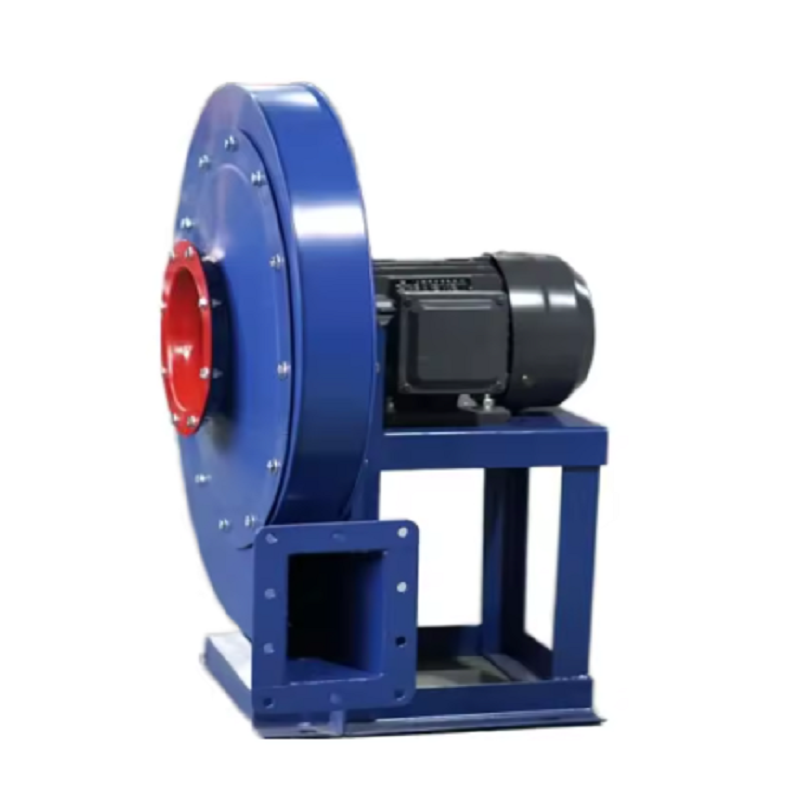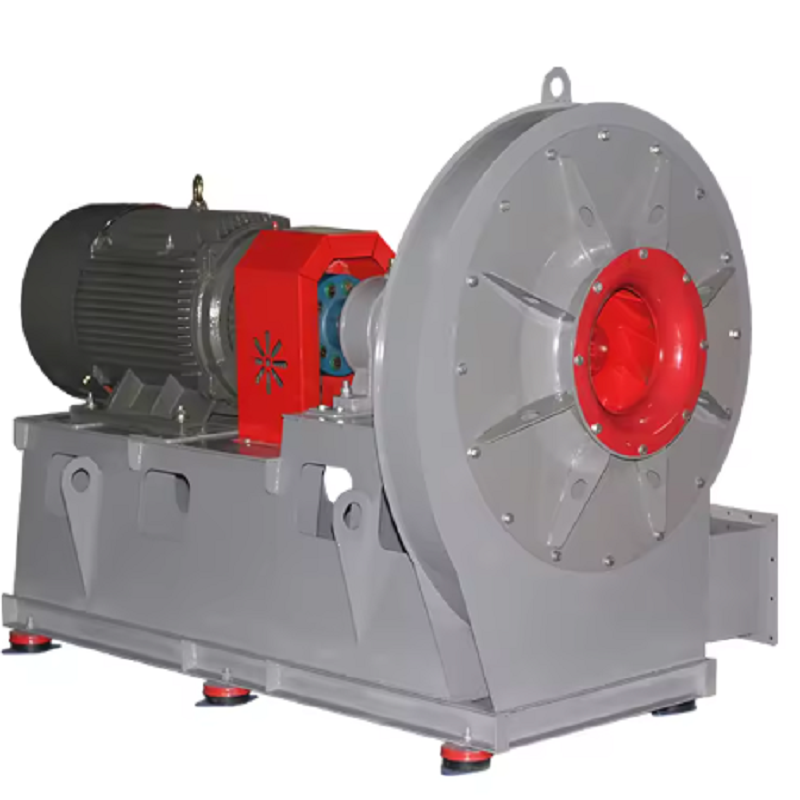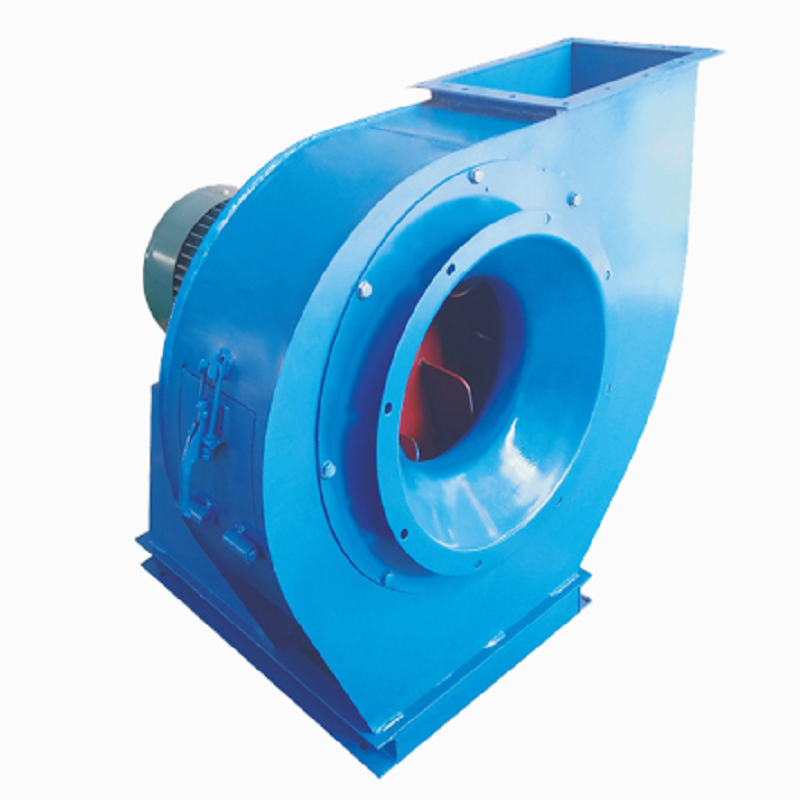
For industrial facilities, ventilation systems often operate continuously throughout the year, making energy consumption one of the largest operating costs. A poorly selected fan may deliver sufficient airflow but consume excessive power due to inefficient design, high system resistance, or improper capacity matching.
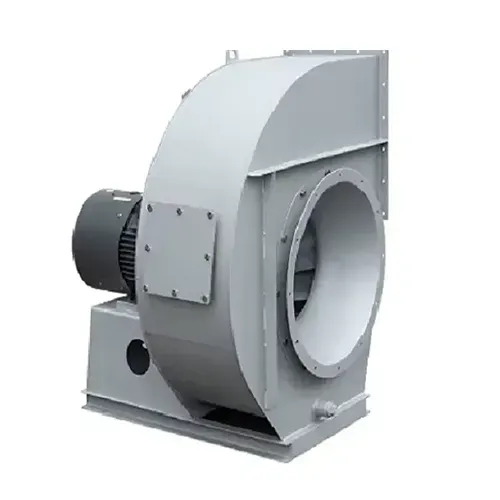
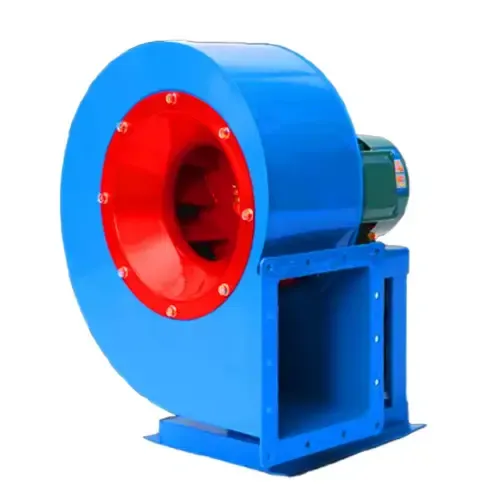
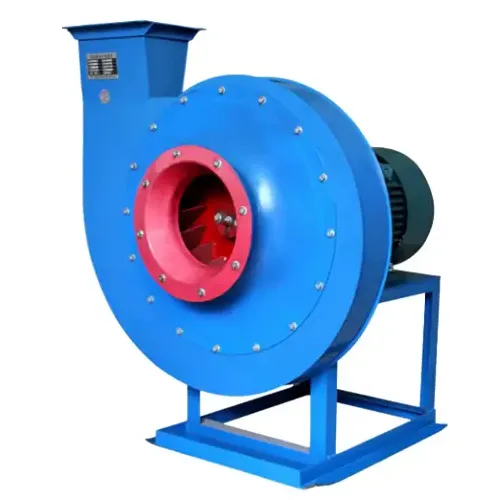
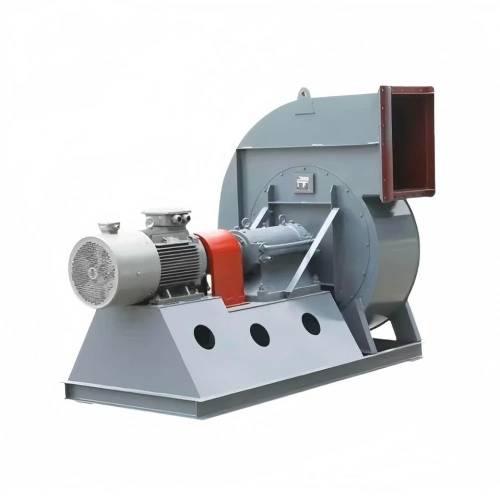
The Type A Centrifugal Fan is designed to provide stable airflow performance while reducing unnecessary energy consumption. Through optimized impeller design, efficient motor selection, and improved aerodynamic structure, this type of fan helps customers achieve lower operating costs without sacrificing ventilation performance.
For factories, HVAC contractors, and equipment manufacturers, selecting the right Type A Centrifugal Fan is not only about purchasing equipment but also about improving the overall efficiency of the air handling system.
Many industrial users focus mainly on the initial purchase price of ventilation equipment. However, the electricity cost during the fan’s service life usually exceeds the original investment.
The actual energy consumption of a ventilation system depends on several factors:
Required airflow volume (m³/h)
Static pressure demand (Pa)
Fan efficiency
Motor power rating
Operating hours per day
System resistance changes
A correctly selected Type A Centrifugal Fan can reduce energy waste by matching the actual operating requirements instead of using oversized equipment.
For example, if a production workshop requires 30,000 m³/h airflow but operates with a fan designed for 45,000 m³/h, the system may consume unnecessary power every day. By replacing the oversized unit with a properly calculated Type A Centrifugal Fan, companies can maintain required airflow while lowering electricity costs.
A metal processing factory in Southeast Asia operated its exhaust system with a 37 kW centrifugal fan. The original system was designed several years earlier when production capacity was higher. After production adjustments, the actual airflow requirement decreased, but the existing fan continued running at full capacity.
Engineers conducted an airflow test and measured:
Actual airflow requirement: 28,000 m³/h
Existing fan motor power: 37 kW
Operating time: 18 hours/day
Annual operating days: 300 days
After system analysis, the factory replaced the old equipment with a Type A Centrifugal Fan equipped with a more suitable impeller configuration and a 22 kW motor.
After six months of operation:
Power consumption decreased by approximately 35%
Exhaust performance remained stable
Motor operating temperature was reduced
Maintenance intervals were extended
The project demonstrated that choosing the correct Type A Centrifugal Fan can create measurable savings throughout the equipment lifecycle.
The efficiency of a fan depends heavily on mechanical and aerodynamic design. A high-quality Type A Centrifugal Fan usually includes several performance advantages:
The impeller directly affects airflow efficiency. Proper blade geometry reduces turbulence and improves air movement efficiency, allowing the fan to generate required pressure with less power.
Selecting a fan according to the actual system curve avoids operating far away from the best efficiency point.
Using efficient motors and optional variable frequency drives allows the fan speed to adjust according to real-time demand.
Industrial environments often involve dust, heat, and continuous operation. A durable Type A Centrifugal Fan reduces downtime caused by mechanical failures.
Before replacing a ventilation fan, customers should collect basic operating data:
Measure current airflow performance.
Record motor power consumption.
Calculate daily operating hours.
Compare existing efficiency with the proposed fan solution.
For example:
Existing fan:
Motor power: 30 kW
Operating time: 16 hours/day
Electricity cost: $0.12/kWh
Annual electricity cost:
30 × 16 × 300 × 0.12 = $17,280
New Type A Centrifugal Fan system:
Motor power: 20 kW
Same operating schedule
Annual electricity cost:
20 × 16 × 300 × 0.12 = $11,520
Annual saving:
$17,280 - $11,520 = $5,760
This simple calculation helps customers evaluate the return on investment before upgrading their ventilation equipment.
Due to their stable pressure performance and energy-saving characteristics, Type A Centrifugal Fans are widely used in:
Industrial exhaust systems
Dust collection equipment
HVAC air handling units
Factory ventilation systems
Cleanroom air circulation
Process cooling applications
In industries where fans operate thousands of hours per year, even a small improvement in efficiency can produce significant financial benefits.
Energy savings do not depend only on fan selection. Proper maintenance is equally important.
To keep a Type A Centrifugal Fan operating efficiently, users should:
Clean impellers regularly to prevent dust buildup
Check bearing conditions and lubrication
Monitor vibration levels
Inspect belt tension if belt-driven systems are used
Measure operating current periodically
For example, dust accumulation on the impeller can reduce airflow output and increase motor load. Regular cleaning can restore performance and prevent unnecessary energy consumption.
Energy efficiency is becoming a major consideration for industrial ventilation projects. Instead of focusing only on initial equipment prices, customers should evaluate total operating costs, maintenance requirements, and long-term performance.
A properly selected Type A Centrifugal Fan provides reliable airflow, reduced energy consumption, and improved system stability. Through correct sizing, efficient design, and regular maintenance, companies can achieve lower operating expenses while maintaining production requirements.
For industrial users looking to upgrade ventilation systems, investing in an energy-efficient Type A Centrifugal Fan is a practical solution for reducing long-term operating costs and improving overall facility efficiency.