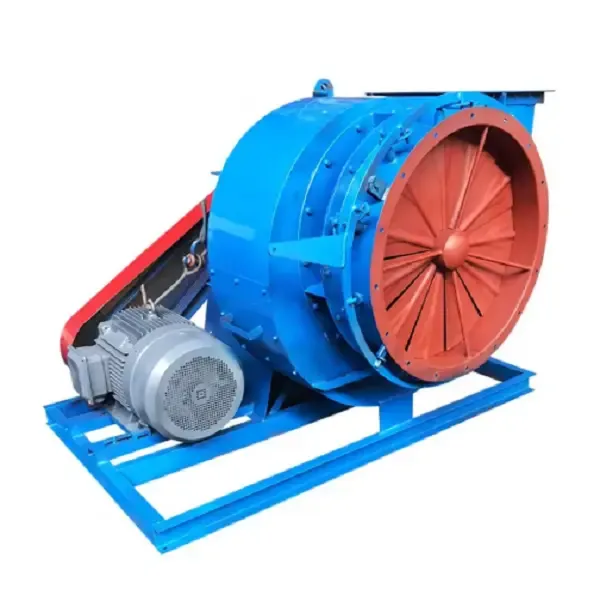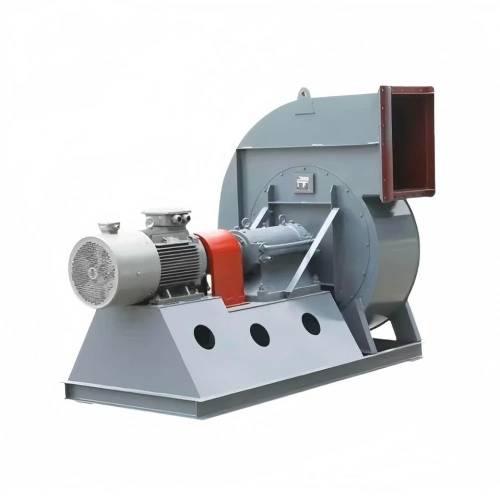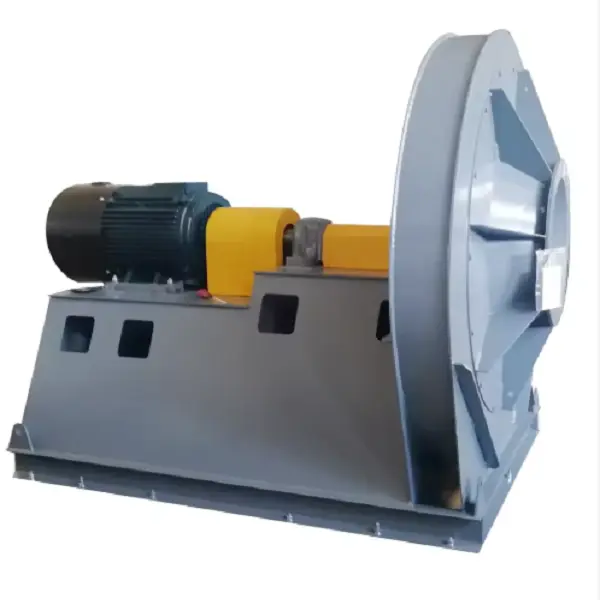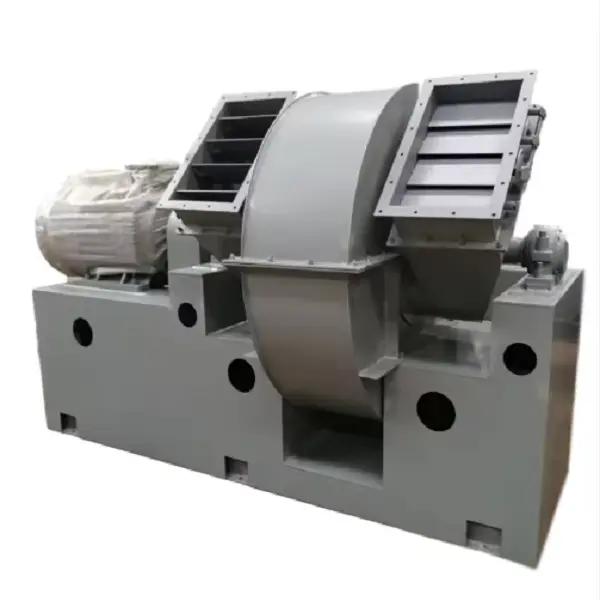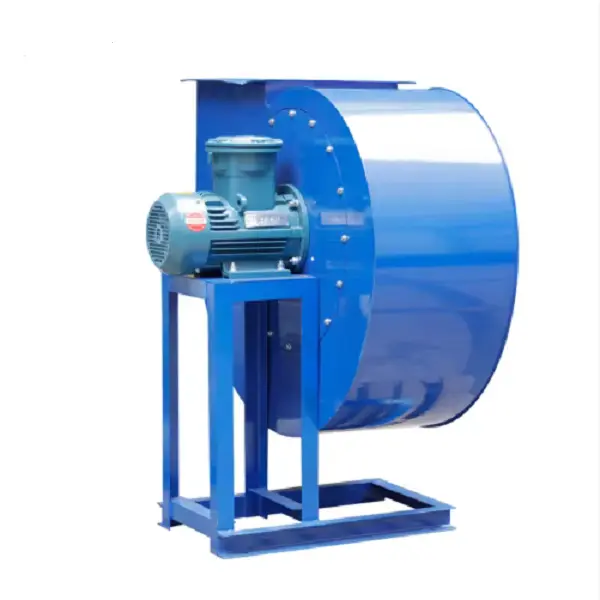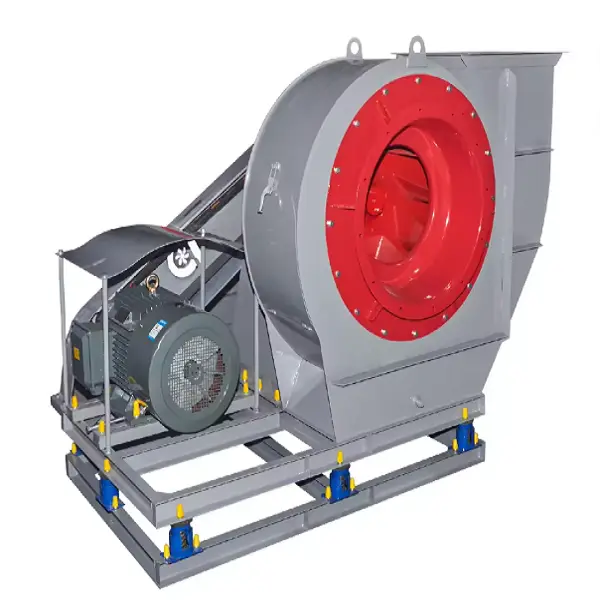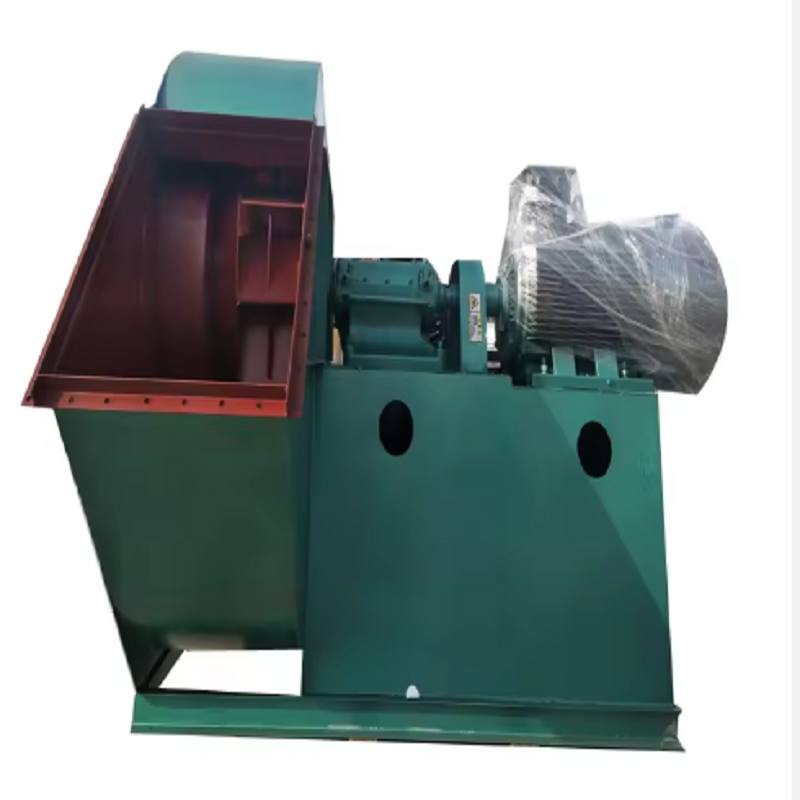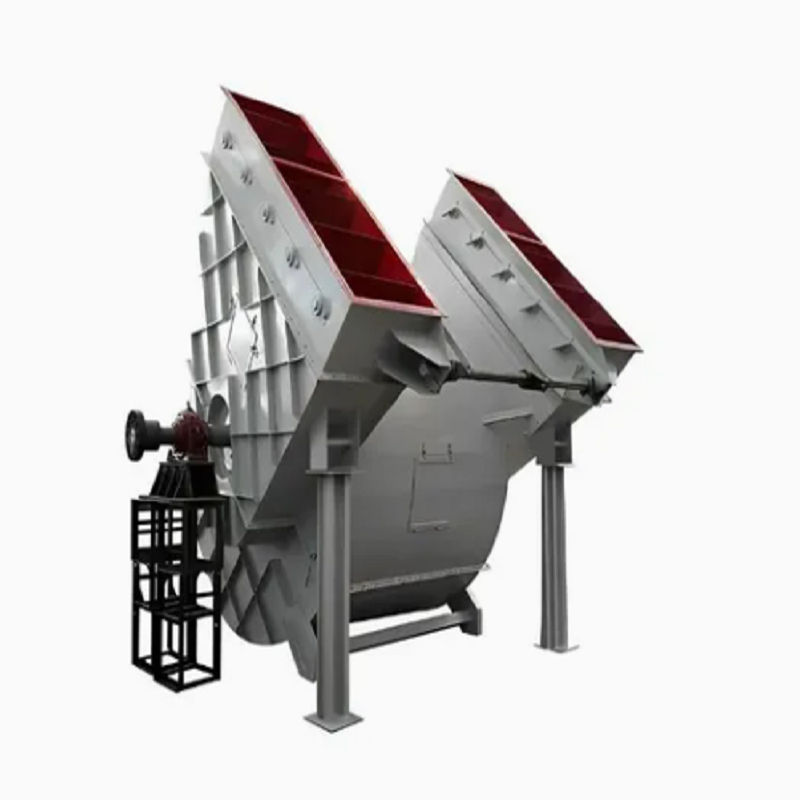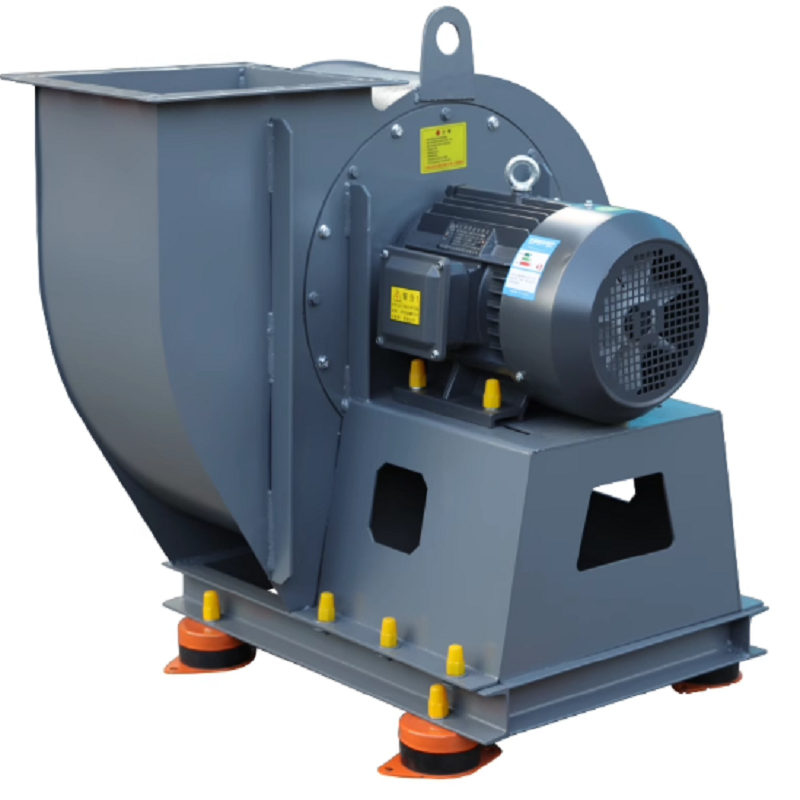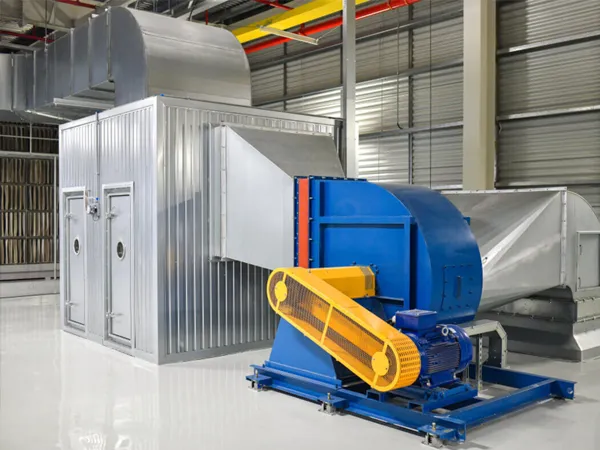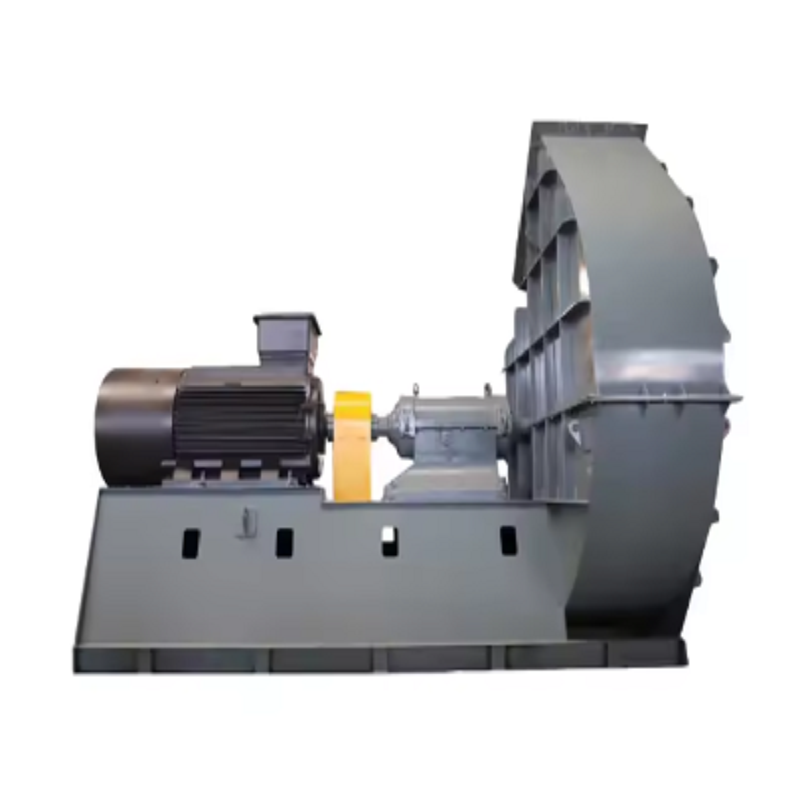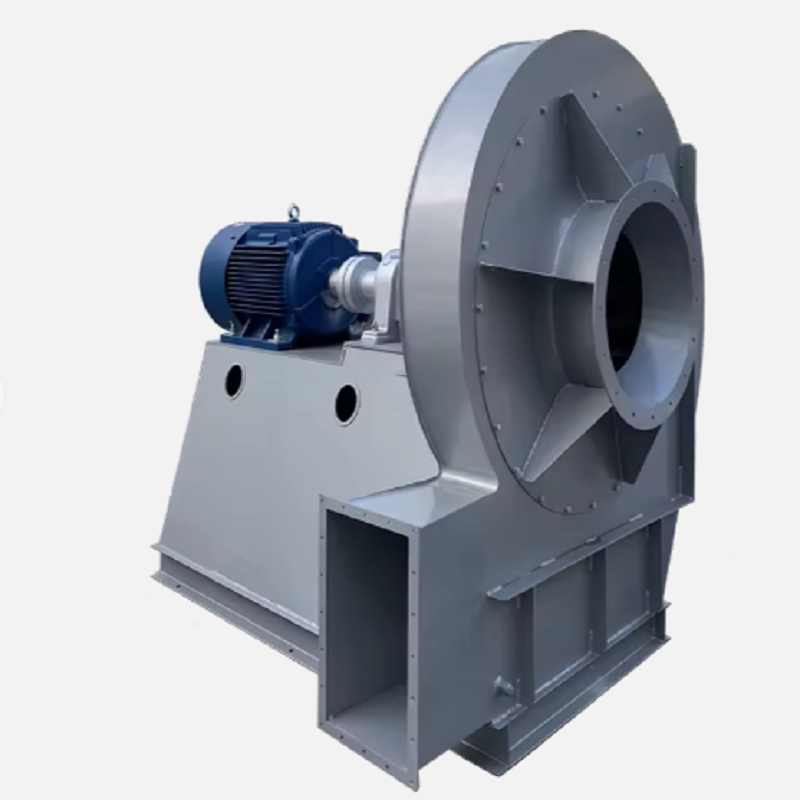
Industrial exhaust systems often face challenges such as long duct distances, multiple bends, filters, and emission control equipment. These components create resistance that requires a fan capable of generating sufficient pressure.
A Type A Centrifugal Fan improves exhaust performance by converting motor power into airflow efficiently through its optimized impeller and housing design. It can maintain stable air movement even when system resistance changes, ensuring pollutants are effectively removed from the production area.
For example, in a welding workshop, smoke and fine particles are produced continuously during operation. If the exhaust fan cannot provide enough suction force, contaminants may spread throughout the facility. Installing a suitable Type A Centrifugal Fan helps capture welding fumes directly at the source and improves overall air quality.
Many industrial users focus only on airflow volume when selecting an exhaust fan, but static pressure is equally important. A fan with high airflow but insufficient pressure may fail when connected to a complex duct system.
A Type A Centrifugal Fan is specifically designed for applications requiring higher static pressure. Its backward-curved, forward-curved, or radial blade configurations can be selected according to different operating conditions, including heavy dust environments and high-temperature exhaust systems.
During the selection process, engineers should calculate the complete pressure loss of the system, including duct friction, filter resistance, dampers, and discharge conditions. This ensures that the selected fan operates close to its optimal efficiency point rather than consuming unnecessary energy.
A metal processing factory experienced poor ventilation performance after expanding its production line. The existing exhaust system was unable to handle the increased amount of welding smoke and grinding dust, resulting in reduced visibility and frequent filter replacement.
After reviewing the airflow requirements, engineers installed a customized Type A Centrifugal Fan with higher pressure capability and improved corrosion resistance. The new system was designed according to the actual duct length, number of extraction points, and filtration equipment specifications.
After implementation, the factory achieved more stable airflow across all workstations. Maintenance staff also reported fewer cleaning requirements because the improved exhaust efficiency reduced dust accumulation inside the duct network.
This case shows that upgrading the fan is often a practical way to improve an existing exhaust system without completely rebuilding the entire ventilation structure.
Industrial environments can expose fans to extreme conditions, including abrasive particles, high temperatures, corrosive gases, and continuous operation schedules. Equipment reliability becomes a key factor in reducing downtime.
A Type A Centrifugal Fan can be manufactured with different material options, including carbon steel, stainless steel, and wear-resistant components, depending on the application requirements. Customized impeller designs can also improve durability when handling heavy dust or particulate materials.
For example, cement plants often require exhaust fans that can continuously transport air containing fine mineral particles. In these applications, reinforced fan structures and abrasion-resistant coatings help extend equipment service life.
Energy consumption is one of the largest operating expenses in industrial ventilation systems. An incorrectly sized fan may operate outside its efficient range, leading to excessive power consumption and unnecessary maintenance costs.
Choosing an efficient Type A Centrifugal Fan allows companies to achieve the required exhaust performance while reducing energy waste. Matching fan capacity with actual system requirements, selecting efficient motors, and using variable frequency drives (VFDs) are practical methods to optimize energy usage.
For instance, a factory operating multiple exhaust points can adjust fan speed according to production demand instead of running the system at maximum capacity all day. This approach can significantly reduce electricity consumption while maintaining proper ventilation.
Maintenance Tips to Keep Industrial Exhaust Fans Running EfficientlyEven a high-quality exhaust fan requires regular inspection to maintain performance. Common problems such as dust buildup on the impeller, bearing wear, belt looseness, and vibration can gradually reduce efficiency.
For a Type A Centrifugal Fan, maintenance teams should regularly check vibration levels, clean accumulated materials, inspect motor conditions, and verify airflow performance. Recording operating data such as pressure, temperature, and power consumption can help identify performance changes early.
Many industrial facilities follow a preventive maintenance schedule with monthly visual inspections and periodic professional checks. This reduces unexpected failures and extends the operational lifespan of the ventilation system.
Industrial exhaust applications require reliable airflow, strong pressure performance, and long-term durability. Whether removing dust from manufacturing processes, extracting fumes from welding operations, or handling high-temperature gases, the fan selection directly affects system efficiency.
A well-designed Type A Centrifugal Fan provides the performance required for challenging industrial environments through stable operation, flexible customization, and excellent pressure capability.
For companies planning new exhaust systems or upgrading existing installations, evaluating airflow requirements, system resistance, operating conditions, and maintenance needs is essential. The right centrifugal fan solution can help improve workplace safety, reduce operating costs, and create a more efficient production environment.